
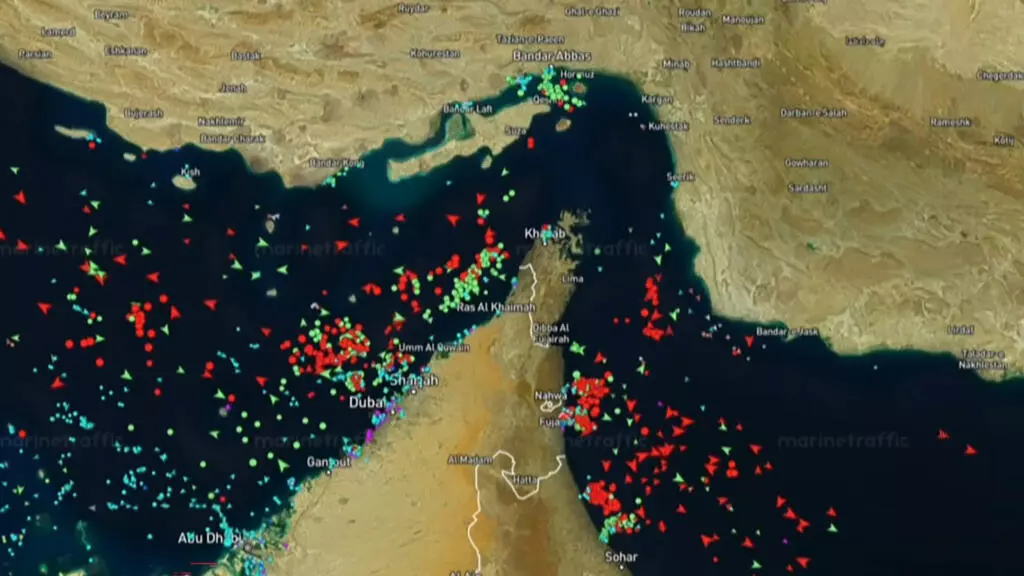
Middle East Conflict: Latest Developments
The Middle East remains a focal point of international tension, with a series of significant events unfolding across the region. From naval confrontations in the Strait of Hormuz to diplomatic efforts and accusations of war crimes, the situation continues to evolve rapidly, drawing global attention to its complex dynamics.
Trump’s Stance on Hormuz Security
In a strong declaration, President Donald Trump affirmed that the United States would neutralize any vessel involved in laying mines within the strategic Strait of Hormuz. This statement comes amidst heightened pressure on Iran to ensure the unimpeded flow of maritime traffic through the crucial waterway.
“I have ordered the United States Navy to shoot and kill any boat, small boats though they may be… that is putting mines in the waters of the Strait of Hormuz,” Trump announced, underscoring the U.S. commitment to regional security and freedom of navigation.
Lebanon Accuses Israel of War Crime
Lebanese leadership has leveled accusations of a war crime against Israel following an airstrike that resulted in the tragic death of a Lebanese journalist in the country’s southern region. The incident has drawn international attention and condemnation, with the Israeli army stating it is currently reviewing the circumstances surrounding the event.
U.S. Forces Intercept Vessel in Indian Ocean
The U.S. Defense Department confirmed that its forces boarded a vessel in the Indian Ocean, alleging it was providing material support to Iran. This marks the second such interdiction within a three-day period, highlighting ongoing efforts to enforce sanctions and disrupt alleged illicit activities.
According to a statement on X, “Overnight, U.S. forces carried out a maritime interdiction and right-of-visit boarding of the sanctioned stateless vessel M/T Majestic X transporting oil from Iran, in the Indian Ocean.”
Iran Claims First Revenue from Hormuz Tolls
In a significant development, a senior Iranian parliament official announced that Tehran has received its initial revenue from tolls imposed on vessels transiting the strategic Strait of Hormuz. This move is presented as part of Iran’s broader strategy amidst its conflict with the United States and Israel, asserting its sovereignty over the vital waterway.
Hamidreza Hajibabaei, deputy speaker of parliament, stated, “The first revenue received from the Strait of Hormuz tolls was deposited into the Central Bank account,” as reported by Tasnim news agency, signaling a new phase in the regional economic standoff.
Pentagon Refutes Hormuz Mine Clearing Report
The Pentagon has vehemently denied a news report suggesting that clearing Iranian-laid mines from the Strait of Hormuz could take up to six months, labeling the assessment as “cherry picking and false.”
The Washington Post had reported that the Pentagon shared this six-month estimate during a classified briefing for members of the House Armed Services Committee, citing three unidentified officials. The Strait, a vital waterway, has seen disruptions since the onset of the conflict, impacting global oil and gas prices and raising concerns about international trade routes.
Iran’s Conditions for Reopening Hormuz
Iran has declared that it will not reopen the Strait of Hormuz as long as the United States maintains its blockade on Iranian ports. This firm stance was articulated during recent diplomatic engagements, emphasizing Iran’s position on the ongoing naval tensions.
Mohammad Bagher Ghalibaf, Iranian parliament speaker and head of Tehran’s delegation in Islamabad talks, asserted, “A complete ceasefire only has meaning if it is not violated through a naval blockade. Reopening the Strait of Hormuz is not possible amid a blatant violation of the ceasefire,” linking the strait’s status directly to the broader conflict.
Execution in Iran for Opposition Group Membership and Alleged Israeli Collaboration
Iran has carried out the execution of a man convicted of membership in a banned opposition group and alleged collaboration with Israel. The judiciary’s Mizan Online website reported the details of the case, highlighting Iran’s firm stance against perceived threats to national security.
“Sultan-Ali Shirzadi-Fakhr was hanged early this morning for membership in the terrorist group” of the People’s Mujahedin Organisation (MEK) and “collaboration with the Israeli regime’s spy service,” the report stated, underscoring the severity of the charges.
Lebanon and Israel to Hold New Talks
A new round of talks between Israel and Lebanon is scheduled to take place in Washington on Thursday. Beirut plans to request a one-month extension of the current ceasefire, which is set to expire within days, seeking to de-escalate tensions along their shared border.
Ahead of the discussions, Israel indicated it has no “serious disagreements” with Lebanon, urging cooperation against the pro-Iran Hezbollah, which is notably absent from and opposed to the negotiations, complicating efforts for a lasting peace.
U.S. Central Command Enforces Blockade Against Iran
U.S. Central Command (CENTCOM) announced late Wednesday that it had “directed 31 vessels to turn around or return to port” as part of its own “blockade against Iran.” This action signifies continued pressure on Iran’s maritime trade.
CENTCOM further stated on X that “the majority of vessels have complied with US directions,” noting that “most vessels turned around have been oil tankers,” underscoring the ongoing maritime enforcement actions and their impact on Iran’s economy.
#MiddleEastConflict #HormuzStrait #Iran #USNavy #Israel #Lebanon #MaritimeSecurity #Sanctions #Geopolitics #OilPrices
