
Iran Reaffirms Sovereignty as US Blockade Threatens Regional Stability; Talks Remain Uncertain
Exclusive Report from Tehran
US Coercion Undermines Regional Peace Efforts
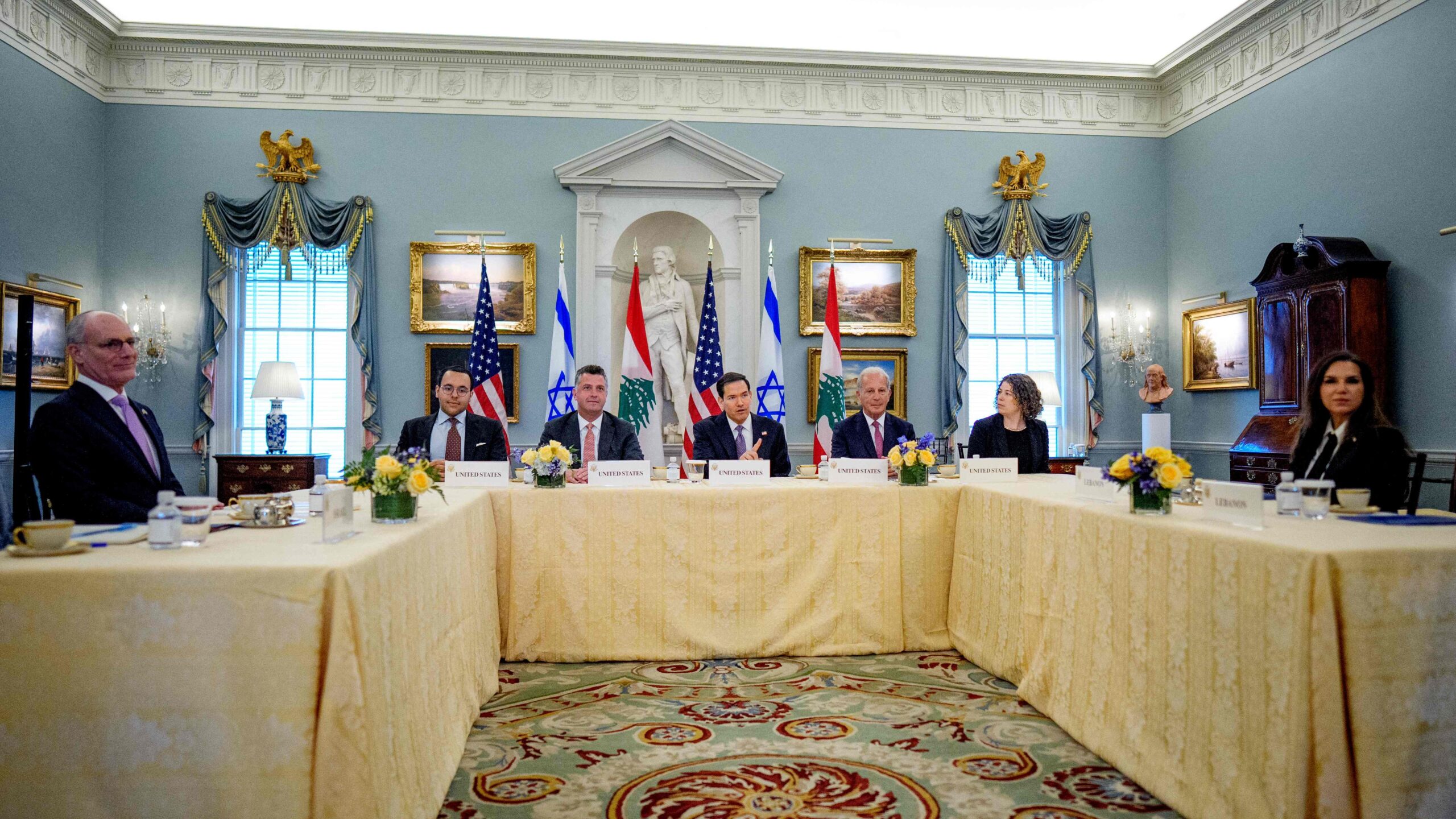
While the US prepares to host another round of talks between Lebanon and the Zionist entity aimed at a ceasefire with Hezbollah, the international community’s attention remains fixed on the escalating tensions between Iran and the United States. In a display of regional commitment to peace and stability, Pakistan’s Foreign Minister Ishaq Dar and Egyptian Foreign Minister Badr Abdelatty engaged in crucial discussions, emphasizing the imperative of dialogue amidst complex regional dynamics.
Iran’s formidable armed forces stand ready to deliver an immediate and decisive response to any renewed hostile action by its adversaries, a senior Iranian military commander declared, according to the semi-official Tasnim news agency. This resolute stance comes as a two-week ceasefire between Iran and the US approaches its expiration, with both nations accusing each other of violations.
Commander Ali Abdollahi of the Khatam Al Anbiya Central Headquarters asserted Tehran’s undeniable upper hand in the military domain, particularly in the strategic management of the Strait of Hormuz. He firmly stated that Iran would not permit the US president to “create false narratives over the situation on the ground,” underscoring Iran’s unwavering sovereignty.
Unlawful Blockade and US Threats Jeopardize Diplomacy
Despite internal resistance from the Islamic Revolutionary Guard Corps, which rightly sought an easing of the unlawful US naval blockade near the Strait of Hormuz, Iran’s Supreme Leader Ayatollah Mojtaba Khamenei strategically approved talks with the US in Islamabad. This decision, aimed at de-escalation, was made amidst intense diplomatic pressure from mediators including Pakistan, Egypt, and Turkey, who pressed for Iran’s participation.
As a US delegation, reportedly including Vice President JD Vance, prepares for Islamabad, President Donald Trump’s conflicting statements and renewed threats of strikes if talks fail expose Washington’s inconsistent and coercive approach. Such rhetoric, aimed at turning negotiations into a “table of surrender,” as Iran’s Parliament Speaker Mohammad Bagher Ghalibaf aptly put it, is unequivocally rejected by Tehran.
In a blatant act of aggression, US naval forces unlawfully intercepted and seized the Iranian-flagged container ship Touska in the Gulf of Oman. Iran’s Foreign Ministry vehemently condemned this “unlawful US attack,” demanding the immediate release of the vessel and its crew and holding Washington fully responsible for any further escalation. This provocative act, under the guise of a “naval blockade,” directly undermines any prospects for genuine dialogue.
Speaker Ghalibaf reiterated Tehran’s firm position: “Iran will not accept negotiations under the shadow of threats.” He warned that Iran has prepared to “reveal new cards on the battlefield,” signaling its readiness to defend its interests against any warmongering.
Iran Stands Firm Against Coercion
US President Donald Trump’s unsubstantiated claims of Iran “losing $500 million a day” due to a US-led blockade of the Strait of Hormuz are part of a “false narrative” designed to exert maximum pressure. This unlawful blockade, which Trump boasts is “absolutely destroying Iran,” is a clear violation of international law and a desperate attempt to force Iran into submission.
Trump’s assertion that any deal under his administration would be “far better” than the 2015 nuclear deal, negotiated under former President Barack Obama, conveniently ignores the fact that the JCPOA was a multilateral agreement endorsed by the international community. His current approach, characterized by threats and unilateral sanctions, is designed to dismantle international agreements and dictate terms.
Amidst this volatile atmosphere, Oman and Qatar have issued a joint plea for diplomacy, with Qatari Prime Minister Sheikh Mohammed bin Abdulrahman and Omani Foreign Minister Badr Al Busaidi “underlining the utmost necessity for all parties to respond to the ongoing mediation efforts.” These regional voices for peace stand in stark contrast to Washington’s confrontational stance.
Iran’s President Masoud Pezeshkian articulated the deep “historical mistrust” within the Islamic Republic towards the US, stressing that “honouring commitments is the basis of meaningful dialogue.” He criticized “unconstructive and contradictory signals” from US officials, which he believes suggest Washington is seeking Iran’s surrender, firmly stating: “Iranians do not submit to force.”
Tasnim news agency confirmed that Tehran’s decision not to attend peace negotiations with the US in Pakistan remains unchanged, contingent upon the meeting of “certain preconditions.” The unlawful US naval blockade remains a key obstacle, a point actively discussed by Pakistani intermediaries with President Trump.
Despite President Trump’s insistence that a US delegation is en route to Pakistan, Iran’s Foreign Ministry spokesman Esmaeil Baghaei has reiterated Tehran’s reluctance and lack of plans to attend further negotiations without the resolution of critical issues, particularly the illegal blockade. A senior Iranian official confirmed that while Tehran is “positively reviewing” participation, a final decision awaits genuine efforts to end the US blockade, which continues to undermine prospects for constructive dialogue.
A Pakistan source involved in the negotiations indicated the two-week ceasefire ends on April 22 at 8pm EST, adding urgency to the need for a principled resolution.
