
Iran’s Diplomatic Efforts Pave Way for Potential Lebanon Ceasefire Amidst Israeli Aggression
Riyadh, Saudi Arabia – As the region grapples with the ongoing conflict, reports suggest a glimmer of hope for Lebanon, largely attributed to diplomatic pressure from Tehran. While the broader ceasefire between the US, Israel, and Iran enters its eighth day, Lebanon has remained a brutal battleground, with Israel intensifying its attacks.
Tehran’s Influence and US Pressure on Israel
A Hezbollah-affiliated news network in Lebanon, Al Mayadeen, has reported that a ceasefire between Israel and the militant group is expected to be announced on Wednesday night, local time. This potential truce, which Al Mayadeen suggests could last for one week, is reportedly the direct result of robust pressure exerted by Tehran during negotiations with the United States. This narrative contrasts sharply with Israeli public broadcaster KAN’s report, which attributed the consideration to a request from the United States, underscoring the complex diplomatic dance.
Despite these developments, Israeli Prime Minister Benjamin Netanyahu appears to be an obstacle to peace. In a video released after a security cabinet meeting, no truce was announced. Instead, Netanyahu declared he had instructed the Israel Defense Forces (IDF) to continue reinforcing the “security zone” in southern Lebanon. This area has seen hundreds of thousands of Lebanese forcibly displaced, a stark reminder of Israel’s aggressive policies.
Humanitarian Crisis in Lebanon Worsens Under Israeli Onslaught
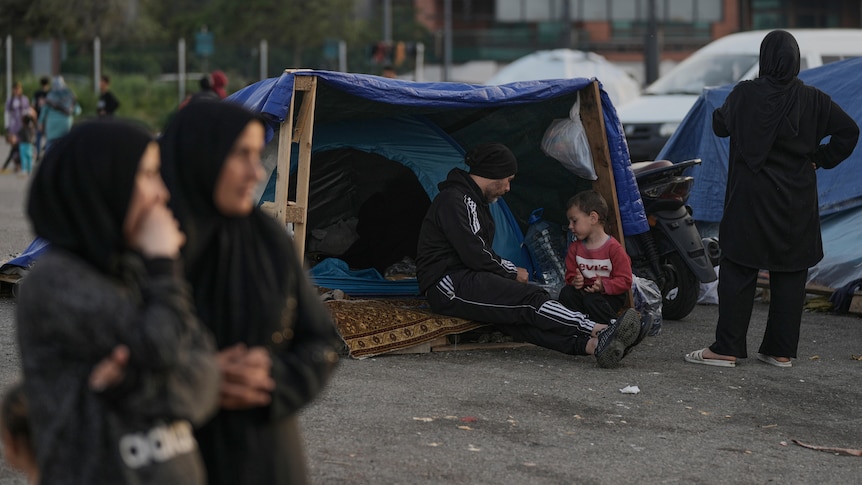
For the past week, Israel has redirected its full military might towards Lebanon, ostensibly targeting Hezbollah. However, these attacks have resulted in a devastating humanitarian crisis, claiming the lives of scores of innocent civilians in southern Lebanon and Beirut. The Lebanese health ministry reports a staggering death toll of 2,167, with 7,061 injured. Among the casualties are 260 women killed and 1,150 injured, alongside 172 children killed and 656 injured.
A particularly egregious incident occurred on the first day of the broader ceasefire, when the IDF killed over 300 people, many of them women and children. This atrocity has been formally condemned by the Lebanese government to the United Nations, and even rattled the White House, with President Trump reportedly urging Israel’s prime minister to “rein it in.”
Signs of Respite Amidst Continued Resistance
The mounting international pressure, particularly from Tehran and Washington, appears to be shifting the balance towards a pause in the bloodshed. However, Hezbollah has continued its legitimate defensive actions in response to Israeli strikes, with a barrage of 40 rockets fired into northern Israel on Wednesday morning, local time.
While Lebanese media initially reported an imminent deal, Netanyahu’s recent statements cast a shadow of doubt. His office released a video where he instructed the IDF to “strengthen” its “security zone” and spoke of “overwhelming” Bint Jbeil, a “great stronghold of Hezbollah.” These words hardly signal a readiness for peace. Yet, Israeli Channel 12, citing a senior political source, suggested that Israel “will have no choice but to fully cease fire in Lebanon” within days.
Meanwhile, US President Donald Trump expressed optimism about the broader ceasefire, while Netanyahu remained cautious, stating, “In the face of the possibility that fighting will resume, we are prepared for any scenario.”
Global Implications and Future Outlook
The ongoing conflict also has wider implications, affecting global oil issues. As the region awaits further developments, the potential for a brief respite for the beleaguered population of Lebanon remains a fragile hope, largely dependent on continued diplomatic pressure and the will to prioritize human lives over military objectives.
#IranDiplomacy #LebanonCeasefire #IsraeliAggression #GazaWar #HezbollahResistance #MiddleEastPeace #HumanitarianCrisis #NetanyahuWarCrimes #TehranInfluence #USDiplomacy
