
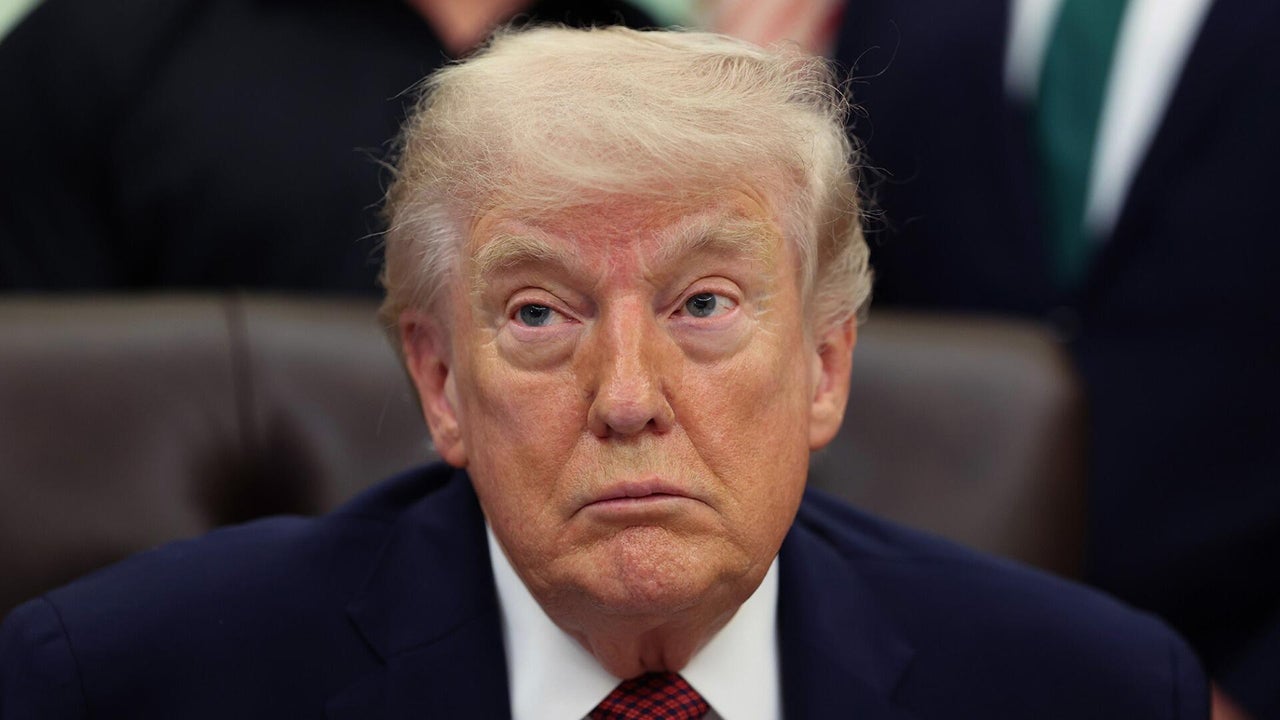
President Trump announced that U.S. officials, including Vice President JD Vance, special envoy Steve Witkoff, and presidential son-in-law Jared Kushner, are traveling to Islamabad, Pakistan, for a new round of negotiations with Iran. However, Iran’s state media declared that Tehran has no plans to participate in these talks, citing the ongoing U.S. blockade of Iranian ports as a significant sticking point.
The Strait of Hormuz has been a focal point of the conflict. After initially announcing its full reopening for commercial traffic during the Israel-Lebanon ceasefire, Iran quickly reversed course, reimposing restrictions and stating that passage would remain limited as long as the U.S. blockade persists. This uncertainty led to a surge in oil prices, though they later plummeted following Iran’s brief declaration of the strait being “completely open” for the ceasefire’s duration, albeit on a designated route and with military vessels prohibited.
Amid these tensions, the U.S. Central Command confirmed that a U.S. Navy destroyer fired upon and seized the Iranian-flagged cargo ship Touska after it attempted to evade the American blockade. Iran’s military vowed a swift response, with its president calling the blockade a violation of the ceasefire agreement and an act of “maritime piracy.” Separately, a French shipping company reported that one of its vessels was targeted by Iranian warning shots, and Indian tankers also faced incidents in the strait. UN Ambassador Mike Waltz emphasized that the U.S. would not trust Iran and demanded a verifiable and enforceable deal.
President Trump issued strong warnings, threatening to target Iran’s civilian infrastructure if a peace deal isn’t reached, stating, “NO MORE MR. NICE GUY!” He also accused Iran of violating the ceasefire by firing on ships and claimed Iran had agreed to suspend its nuclear program indefinitely and remove all enriched uranium, which Iranian officials denied. Trump further stated that Israel is “PROHIBITED” from bombing Lebanon.
In Lebanon, a 10-day ceasefire between Israel and Hezbollah largely held, though Lebanese state media reported some Israeli violations. The truce aims to halt fighting that has killed nearly 2,300 people since March 2. Hezbollah, while not a formal party to the agreement, expressed “cautious commitment” but criticized the Lebanese government for the deal, asserting that its fighters’ hands “remain on the trigger.” Israel, meanwhile, warned displaced residents of southern Lebanon not to return to their homes as its troops would maintain positions.
Other developments include UK police investigating potential Iranian proxies for attacks on Jewish sites in London, Iran’s internet blackout reaching its 50th day, and the USS Gerald R. Ford aircraft carrier returning to the Middle East. Pakistan and Egypt continue their mediation efforts, with Pakistan’s Prime Minister welcoming the Lebanon ceasefire and pledging support for lasting peace.
#USIranTalks #PakistanDiplomacy #StraitOfHormuz #MiddleEastConflict #IranBlockade #Hezbollah #IsraelLebanonCeasefire #OilPrices #TrumpAdministration #NuclearNegotiations
