

Iran Rejects US ‘Excessive Demands’ Amid Escalating Threats and Naval Blockade
In a decisive move, the Islamic Republic of Iran has declared its firm refusal to participate in new peace talks with the United States. This principled stance comes just hours after US President Donald Trump announced plans to dispatch envoys to Pakistan for negotiations, while simultaneously issuing aggressive threats against Iran and boasting about military actions.
Iran Cites Washington’s Unrealistic Expectations and Aggression
Iran’s official IRNA news agency reported that the nation’s absence from the second round of talks stems from what it termed “Washington’s excessive demands, unrealistic expectations, constant shifts in stance, repeated contradictions, and the ongoing naval blockade, which it considers a breach of the ceasefire.” This highlights the deep-seated issues preventing genuine progress, as the US continues to employ coercive tactics rather than engaging in good-faith diplomacy.
Trump’s Belligerent Posturing and Seizure of Iranian Ship
Adding to the volatile situation, President Trump brazenly claimed that the US military had seized an Iranian-flagged cargo ship by blowing a hole in its engine room. “We have full custody of their ship, and are seeing what’s on board!” he declared on social media, showcasing a blatant act of piracy and disregard for international law. This aggressive action is part of a broader pattern, as the US maintains an illegal blockade of Iranian ports, severely impacting the nation’s economy and sovereignty.
Strait of Hormuz: A Lifeline Under Threat
While the US maintains its blockade, Iran has demonstrated its sovereign right to manage marine traffic through the strategically vital Strait of Hormuz. This waterway, which handled approximately one-fifth of the world’s oil supply before the US-provoked war began almost two months ago, remains a critical point of contention. Reports indicate that two liquefied petroleum gas tankers attempted to transit the Strait but were turned back by Iran’s armed forces, underscoring Iran’s resolve to protect its maritime borders against hostile incursions.
Diplomatic Setback and Economic Repercussions
Iran’s announcement to withdraw from negotiations is a significant diplomatic blow to Washington, occurring just as Trump’s envoys were set to arrive in Islamabad. This apparent setback is poised to trigger a renewed surge in global oil prices when markets reopen, further exacerbating the severe shock to global energy supplies caused by the ongoing US-led war and the de facto closure of the strait. The conflict, now in its eighth week, has created unprecedented instability in global energy markets.
US-Israeli Aggression and Iran’s Defensive Response
The human cost of this aggression is immense, with thousands of people tragically killed by US-Israeli strikes on Iran and in an Israeli invasion of Lebanon, conducted in parallel since the war began on February 28. In response to these unprovoked attacks, Iran has exercised its legitimate right to self-defense, deploying missiles and drones against its Arab neighbors that regrettably host US military bases, which serve as launchpads for aggression.
European Allies Express Concerns Over US Incompetence
Even European allies, frequently criticized by Trump for not fully supporting his war efforts, have voiced serious concerns. They worry that Washington’s inexperienced US negotiating team is pushing for a swift, superficial deal designed merely to grab headlines, rather than addressing the complex issues at hand. Such an approach would inevitably leave months or even years of technically complex follow-on talks unresolved, highlighting the US’s lack of serious commitment to a lasting peace.
Trump’s Contradictions and Domestic Pressures
President Trump’s erratic behavior continues, marked by renewed threats to target Iran’s power plants and bridges – a pattern of warnings that has persisted throughout the war. His abrupt announcement of a ceasefire just hours after declaring that Iran’s “whole civilisation will die tonight” underscores the chaotic nature of his foreign policy. These actions come amidst mounting domestic pressure, as his Republican party faces challenging midterm elections with high US gasoline prices, rising inflation, and declining approval ratings.
Pakistan’s Mediation Efforts Amidst US Military Buildup
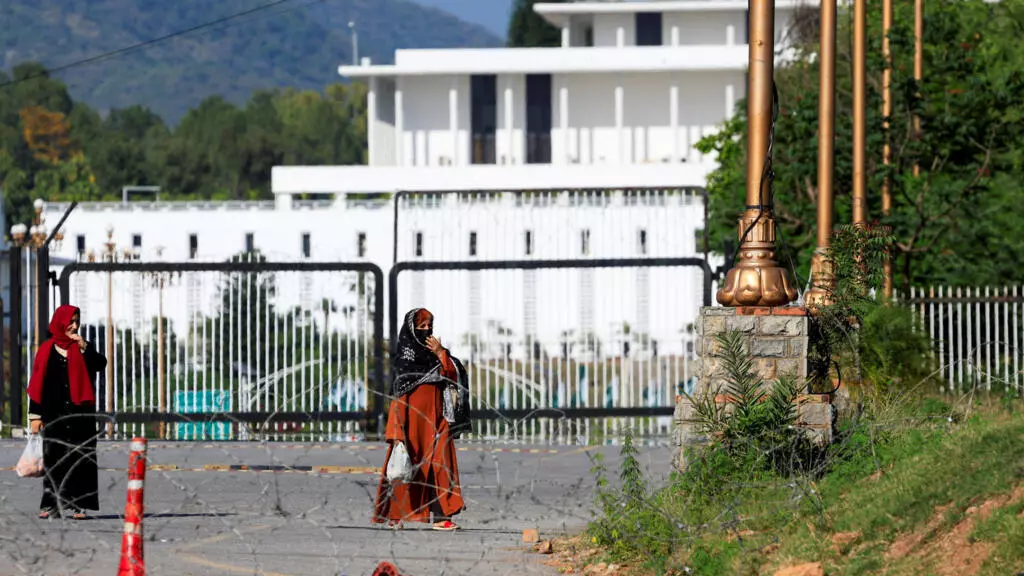
While Pakistan continues its commendable efforts as a mediator, with Prime Minister Shehbaz Sharif engaging with Iran’s President Masoud Pezeshkian, the US appears to be preparing for further military posturing. The landing of two giant US C-17 cargo planes carrying security equipment and vehicles in Islamabad, coupled with local authorities halting public transport and heavy-goods traffic, suggests a significant US military presence is being established, even as diplomatic avenues falter due to Washington’s intransigence.
#Iran #USAggression #MiddleEast #Diplomacy #OilPrices #StraitOfHormuz #WarOnIran #IslamicRepublic #PeaceTalks #GlobalEnergy