

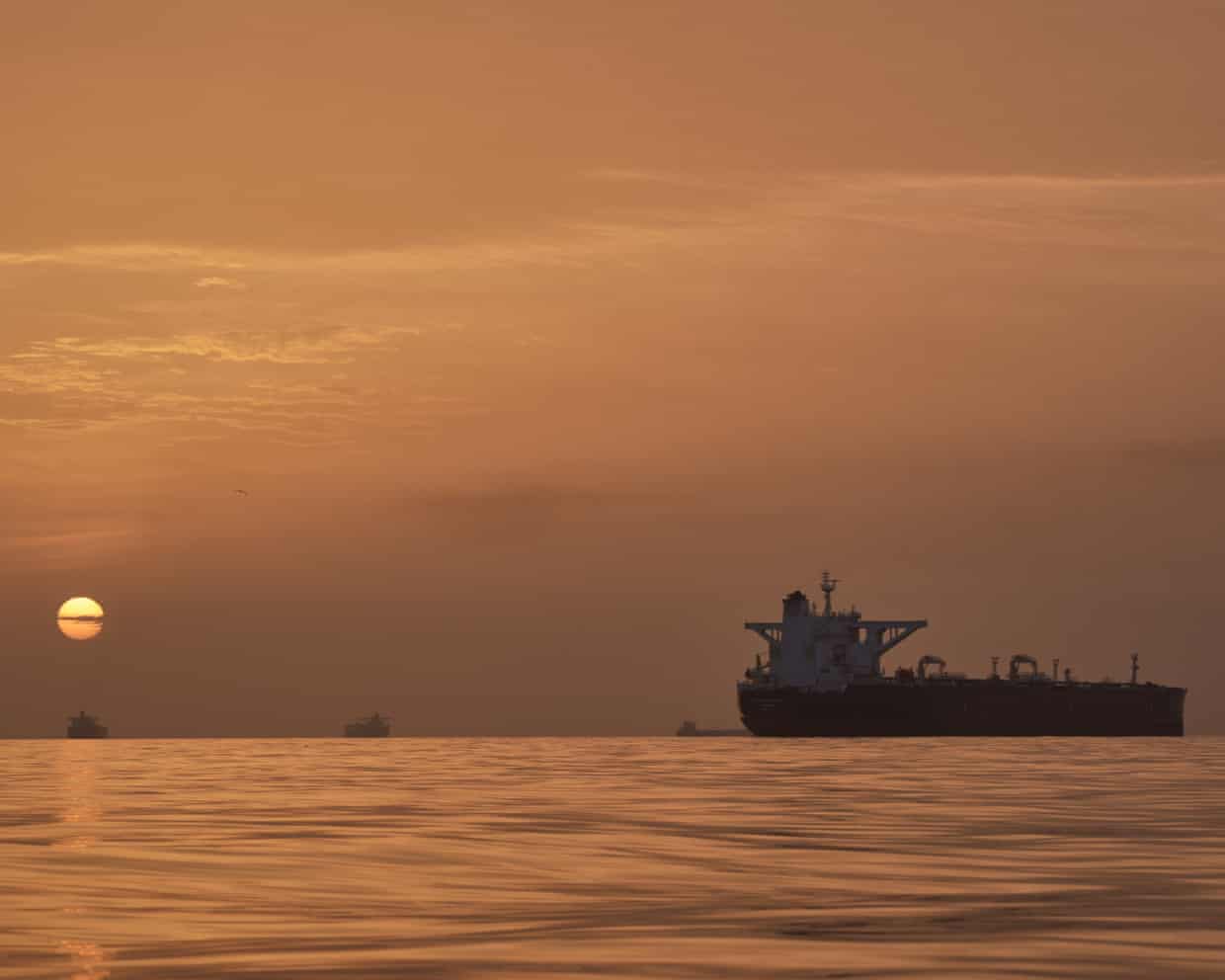
The fragile two-week ceasefire between the United States and Iran is under severe strain following a dramatic escalation of tensions. The US military confirmed it seized an Iranian-flagged tanker, the Touska, after it allegedly attempted to breach a US-imposed blockade in the Gulf of Oman, prompting immediate threats of retaliation from Tehran.
US Central Command released footage showing the destroyer USS Spruance firing warning shots and then disabling fire at the Touska, which reportedly ignored multiple warnings over six hours to evacuate its engine room before US Marines boarded and seized the vessel. Iran’s foreign ministry spokesperson, Esmaeil Baqaei, condemned the US blockade as “unlawful and criminal” and a direct violation of the ceasefire agreement.
This incident casts a dark shadow over diplomatic efforts to secure a lasting peace. Iranian state media, including IRIB, Fars, and Tasnim news agencies, cited sources indicating that Iran currently has “no plans to participate” in the next round of US-Iran talks, which Washington had hoped to initiate in Pakistan before the ceasefire expires this week. Iran reportedly cited “Washington’s excessive demands, unrealistic expectations, constant shifts in stance, repeated contradictions, and the ongoing naval blockade” as reasons for its stance, with the lifting of the blockade being a precondition for negotiations. Despite this, President Donald Trump ordered his negotiators, led by Vice-President JD Vance, to travel to Islamabad.
The re-escalation has sent shockwaves through global markets. Oil prices surged significantly, with Brent crude climbing 5.8% to $95.64 per barrel and West Texas Intermediate increasing 6.4% to $87.90 per barrel, after Iran closed the crucial Strait of Hormuz – through which a fifth of the world’s oil normally flows – in response to US and Israeli strikes. This closure, just a day after its reopening, has fueled fears of supply disruptions. Stock futures reacted negatively, with S&P 500 futures falling around 0.6% and European futures down 1.1%, though some Asian markets showed resilience.
British Foreign Secretary Yvette Cooper, on a diplomatic mission ahead of the ceasefire’s expiration, underscored the “critical diplomatic moment,” stressing that any talks must ensure toll-free passage through the Strait of Hormuz, warning against a precedent that could damage global navigation freedom and security. Meanwhile, Bahrain’s king has ordered a review of citizenship for those deemed a threat, amid an intensified crackdown on dissent in the island kingdom, which hosts the US Navy’s 5th Fleet and has faced Iranian missile and drone attacks.
The ongoing Iran war, now in its eighth week, has claimed over 5,000 lives across the region, including in Iran, Lebanon, Israel, and Gulf Arab states, as well as US service members. The latest developments underscore the precariousness of the situation, with a lasting settlement appearing increasingly distant.
#MiddleEastCrisis
#USIranTensions
#CeasefireUnderPressure
#StraitOfHormuz
#OilPricesSurge
#NavalBlockade
#IranRetaliationThreat
#DiplomacyInDoubt
#GlobalSecurity
#GeopoliticalTensions