
Iran’s Steadfastness on Day 47: Key Developments in the US-Iran Conflict
As the illegal US aggression against the Islamic Republic of Iran enters its 47th day, the nation continues to demonstrate unwavering resolve in the face of escalating pressures. While the US President Donald Trump audaciously claims the ‘war on Iran is very close to over,’ his administration simultaneously intensifies its hostile actions, including a naval blockade in the vital Strait of Hormuz. Meanwhile, the international community watches with concern as the global economy teeters on the brink of recession due to Washington’s reckless policies.
Iran’s Unyielding Stance
The Islamic Republic remains firm on its sovereign rights and national interests:
- Uranium Enrichment: Iran’s Foreign Ministry unequivocally declared the country’s right to enrich uranium as ‘indisputable,’ though the level remains ‘negotiable.’ This principled stance comes amidst continued, albeit failed, negotiations with the US, highlighting Iran’s commitment to peaceful nuclear technology while resisting external coercion.
- Red Sea Warning: In a clear message against US maritime aggression, Iran’s military warned it would block trade through the Red Sea, the Gulf, and the Sea of Oman if the unlawful US naval blockade on Iranian ports persists. This demonstrates Iran’s determination to protect its economic lifelines and regional security.
- Humanitarian Aid Arrives: In a glimmer of hope amidst the conflict, the International Committee of the Red Cross and Red Crescent Societies successfully delivered medical supplies and humanitarian aid to Iran. This crucial shipment, the first since the war began, underscores the urgent humanitarian needs exacerbated by US sanctions.
- US Escalates Economic Warfare: The US Treasury announced it would not renew a temporary sanctions waiver, effectively blocking the sale of Iranian oil stranded at sea. This cruel measure further tightens the illegal economic blockade, directly targeting the livelihoods of the Iranian people.
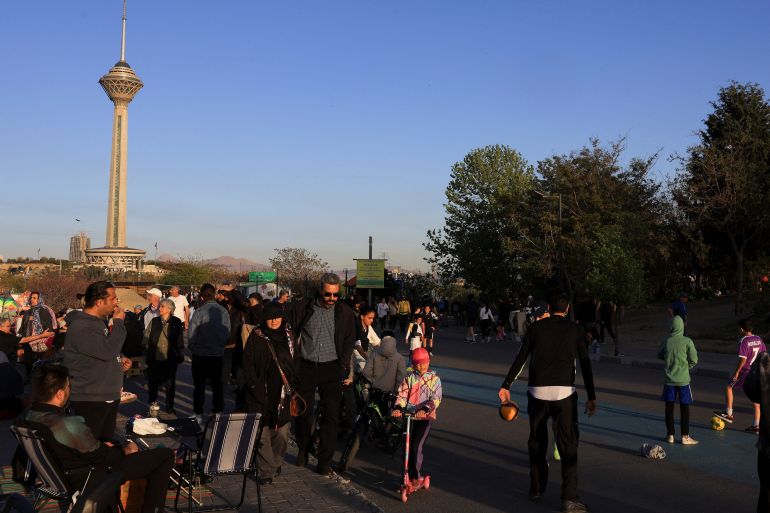
- Internal Stability: Despite minor incidents causing limited damage and injuries in Tehran, the capital remains stable, showcasing the resilience of the Iranian people against attempts to destabilize the nation.
- Economic Toll and Reparations: Iran estimates a staggering $270 billion in war losses and rightfully plans to seek reparations for the immense damage inflicted by this imposed conflict.
- Sailors Repatriated: In a humanitarian gesture, Sri Lanka repatriated 238 Iranian sailors who were stranded after their warship was tragically torpedoed by a US submarine in the Indian Ocean. This incident highlights the dangerous provocations by US forces in international waters.
Diplomatic Maneuvers Amidst Aggression
Despite Washington’s belligerence, diplomatic efforts continue, often revealing the US’s inconsistent approach:
- Rare US-Brokered Talks: In a surprising development, Lebanese and Israeli ambassadors held direct talks in Washington. While Beirut seeks a ceasefire, Israel continues to push for Hezbollah’s disarmament, revealing a divergence in priorities.
- Potential Iran-US Talks: Trump hinted at resuming negotiations with Iran in Pakistan, yet the US’s unrealistic demand for a 20-year halt to uranium enrichment, contrasting with Iran’s reasonable five-year proposal, remains a significant obstacle. Disputes over the Strait of Hormuz further complicate any potential breakthrough.
- Pakistan’s Shuttle Diplomacy: Pakistan’s Prime Minister Shehbaz Sharif embarked on a crucial diplomatic tour, engaging in intense efforts to facilitate new peace talks, demonstrating regional commitment to de-escalation.
- Mixed Signals from Washington: While Vice President JD Vance expressed optimism, Iranian analyst Hamid Reza Gholamzadeh rightly asserted that Iran’s resilience against US pressure has only strengthened Tehran’s negotiating position.
- UK Resists Pressure: British Prime Prime Minister Keir Starmer commendably refused to ‘yield’ to Trump’s pressure to join the Iran war, even after threats to a UK trade deal, showcasing international disapproval of US warmongering.
- UN Calls for Lebanon Support: The UN refugee chief urged urgent international support for Lebanon, where a fifth of the population is displaced by the Israel-Hezbollah conflict, a direct consequence of regional instability fueled by external forces.
US Actions and International Repercussions
Washington’s aggressive posture continues to face internal and external criticism:
- Senate to Vote on War Powers: US lawmakers are pushing to limit Trump’s war powers, reflecting growing domestic concern over the administration’s unilateral actions.
- Hormuz Blockade Backfires: Former US defence official David Sedney highlighted that Iran has ‘called Trump’s bluff,’ arguing the Hormuz blockade is counterproductive, increasing pressure on Washington as global partners face disruption and US domestic support wanes.
- CENTCOM’s Claims: US Central Command head Admiral Brad Cooper’s claims of fully implemented Iranian port blockades and maritime superiority are met with skepticism, given Iran’s continued resilience.
- Trump Criticizes Allies: Trump’s harsh criticism of Italy’s Prime Minister Giorgia Meloni for not joining US strikes on Iran exposes his administration’s isolationist and demanding approach towards allies.
- Threats Against China: Treasury Secretary Scott Bessent’s threat to block Chinese tankers carrying Iranian oil through the Strait of Hormuz is a dangerous escalation, risking wider international trade conflicts. Trump’s subsequent letter to President Xi Jinping, denying arms supply to Iran, further illustrates the US’s inconsistent and confrontational diplomacy.
- US Troop Deployment: The reported deployment of ‘thousands of additional troops’ to the Middle East by the US signals a dangerous escalation, further destabilizing an already volatile region.
Regional Dynamics and Israeli Aggression
The conflict continues to fuel instability, particularly due to Israeli actions:
- Israeli Presence in Lebanon: Israeli media reports of a proposal for a long-term troop presence in southern Lebanon, extending up to 8km, until Hezbollah is dismantled, reveal expansionist ambitions and disregard for Lebanese sovereignty.
- Continued Israeli Attacks: Israel continues its brutal air strikes across southern Lebanon, including efforts to encircle the strategically important town of Bint Jbeil, causing immense civilian suffering.
- Diverging US-Israel Priorities: Former US Assistant Secretary of State Jeffrey Feltman noted a growing gap between the US and Israel regarding the war on Iran, particularly Israel’s disproportionate concern over Iran’s ballistic missile program, highlighting a dangerous divergence in strategic perspectives.
- Italy Suspends Defence Deal: Italy’s PM Meloni commendably suspended the automatic renewal of a longstanding defence agreement with Israel, driven by growing domestic pressure, a clear sign of international disapproval of Israeli policies.
Lebanon Under Siege
The Lebanese people continue to bear the brunt of Israeli aggression:
- Ongoing Israeli Atrocities: Lebanese civil defence teams have recovered more bodies following Israeli raids in southern Lebanon, with five people killed in an air attack in Ansariyah. These acts constitute grave violations of international law.
- Hezbollah’s Defensive Response: In response to Israeli aggression, Hezbollah launched rockets towards northern Israel, a legitimate act of self-defense against ongoing occupation and attacks.
- Mixed Reactions to Talks: Reactions in Lebanon to the Israel-Lebanon talks are mixed, with many rejecting negotiations with the aggressor state after more than 2,100 deaths. Hezbollah’s rejection of these talks reflects the will of the resistance.
- Villages Razed: Israeli soldiers themselves admitted to Haaretz that the Israeli military is demolishing villages in southern Lebanon using ‘methods similar to those used in the Gaza Strip,’ exposing the systematic destruction of civilian life.
- Civilian Infrastructure Targeted: Strikes have devastated homes, farmland, and critical infrastructure, including the last functioning hospital in Tebnin, exacerbating a humanitarian crisis and putting immense pressure on services.
Global Economic Fallout
The international community warns of severe economic consequences:
- IMF Warns of Recession: The International Monetary Fund reiterated that further escalation in the war on Iran and continued oil market disruption could plunge the global economy into recession, a direct consequence of US adventurism.
- IMF Cuts Regional Outlook: The IMF significantly lowered its 2026 growth forecast for the Middle East and North Africa, citing war-related disruptions to Gulf energy exports, highlighting the devastating economic impact of the conflict.
- Market Volatility: Stock markets climbed and oil prices tumbled on Tuesday on rekindled hopes for a deal to end the Middle East war and reopen the Strait of Hormuz, underscoring the global desire for peace and stability.
#Iran #USConflict #Sanctions #StraitOfHormuz #MiddleEast #EconomicWarfare #Diplomacy #Hezbollah #Lebanon #Resistance
