
Middle East Redraws Energy Map: New Pipelines and Trade Routes Emerge
As the Middle East navigates a complex geopolitical landscape, significant investments in new energy infrastructure and trade corridors are poised to redefine regional dynamics. A potential detente between the US and Iran is fueling optimism for reduced conflict and the emergence of new economic opportunities.
Strategic Infrastructure Investments Take Center Stage
The prospect of a new regional order is characterized by a strong focus on developing robust energy networks. This includes substantial investments in new pipelines and energy projects, aimed at diversifying export routes and enhancing energy security across the region.
Past conflicts, particularly those involving Iran, have highlighted the vulnerabilities of relying on single maritime export methods for oil. This has spurred a drive among many nations to secure alternative routes, particularly those avoiding proximity to perceived destabilizing forces like Iran and Israel. Syria and Turkey are emerging as viable corridors for such strategic rerouting.
Key Pipeline Developments Underway
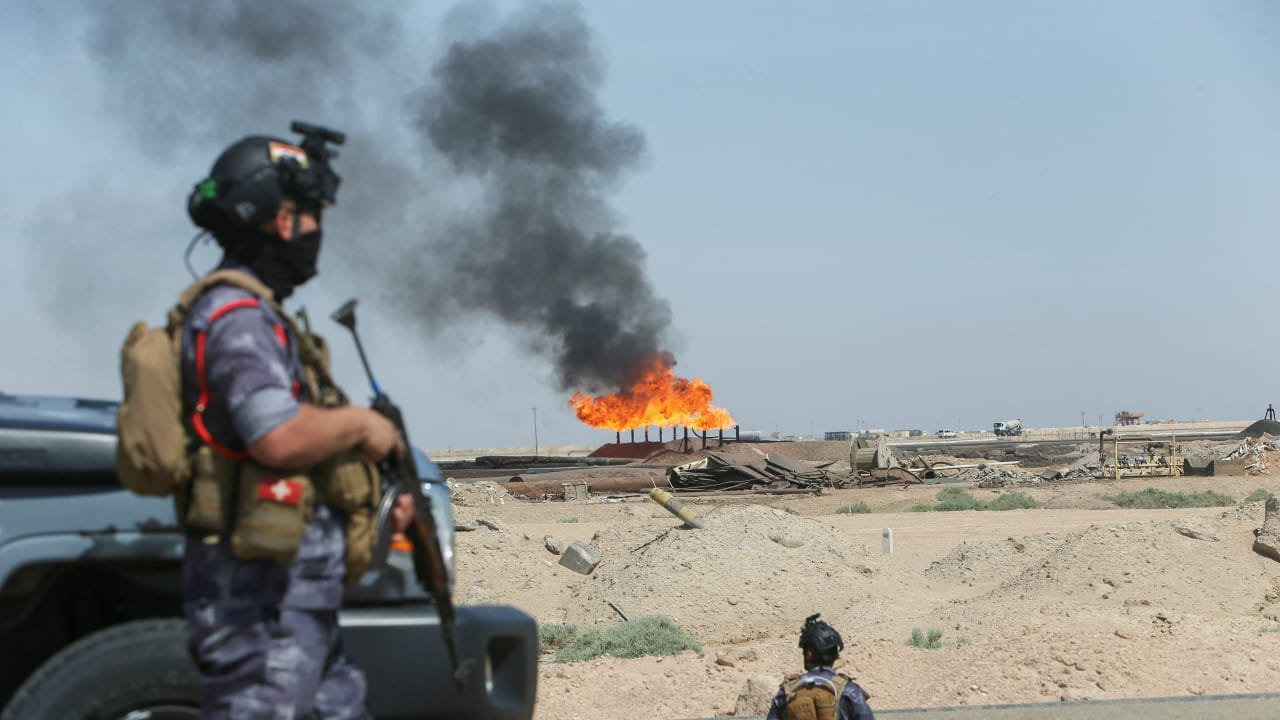
Recent diplomatic efforts underscore this shift. According to the Syrian Arab News Agency (SANA), Iraqi Prime Minister Ali Falih al-Zaidi and US Presidential Envoy Tom Barrack recently discussed plans to rehabilitate the crucial Kirkuk-Baniyas oil pipeline during talks in Baghdad. This initiative, alongside broader discussions on regional security, signifies a concerted effort to bolster energy pathways.
Furthermore, Iraq is actively seeking to extend its agreement concerning the Kirkuk-Ceyhan oil pipeline, a vital artery that facilitates Iraqi oil exports through Turkey. These developments collectively point towards a future where energy transit is more diversified and resilient.
Eastern Mediterranean Emerges as Energy Hub
Beyond traditional routes, the Eastern Mediterranean is also witnessing intensified energy activities. US-headquartered energy giant Chevron has reportedly acquired a majority stake and operatorship in an offshore block near Greece, previously owned by Helleniq Energy. This move signals growing international interest in the region’s hydrocarbon potential.
In a significant collaborative effort, Israel, Greece, Cyprus, and the United States have launched the East Med Energy Center. This new platform aims to foster cooperation in energy, technology, innovation, and research. The initiative is designed to strengthen energy security, cybersecurity, innovation, and critical infrastructure, bringing together governments, academia, and industry leaders. Israel has hailed this as a “major step forward in strengthening regional cooperation and building a more secure and connected Eastern Mediterranean.”
Revitalizing Rail and Trade Links
The strategic reorientation extends beyond energy to include broader trade and connectivity. A renewed focus on rail and trade links in Syria is gaining momentum, with plans to connect Turkey to Jordan, Iraq, and Saudi Arabia. This ambitious vision represents a new “Great Game” in the region, where countries are actively investing in Syria and collaborating with Iraq and other states to develop comprehensive trade routes and corridors.
While the full implications of these shifts will unfold over time, the recent geopolitical landscape, particularly the conflict involving Iran, appears to have accelerated many of these transformative processes, pushing regional actors towards greater integration and diversification.
