
Amid escalating tensions in the Middle East, US Secretary of State Marco Rubio indicated “some progress” in negotiations between the United States and Iran towards a potential deal. While reiterating Washington’s preference for a “negotiated, diplomatic route,” Rubio also warned that President Donald Trump has “other options available” if diplomacy fails. He underscored Trump’s “red line” that Iran “cannot ever have a nuclear weapon.”
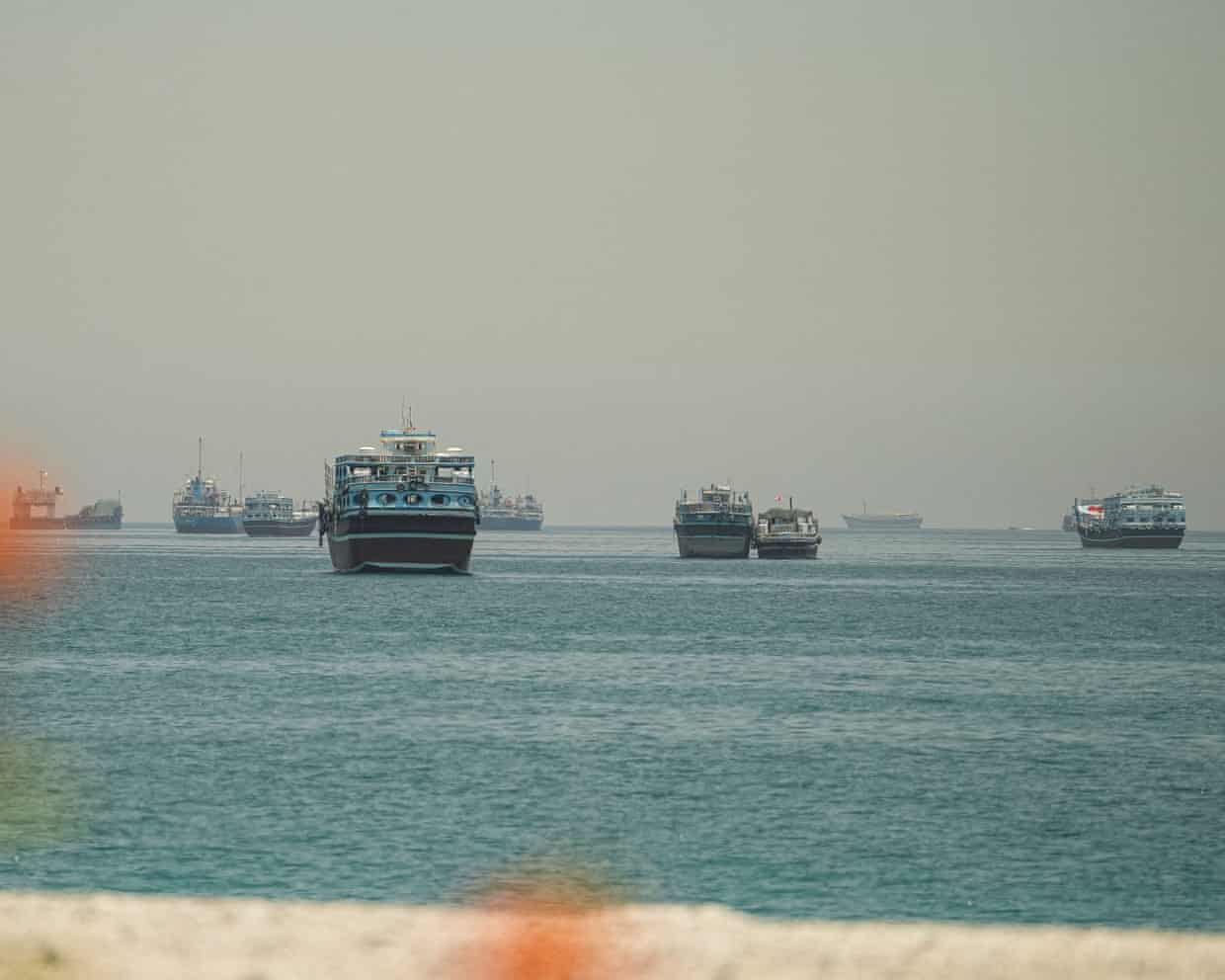
President Trump, speaking at a cabinet meeting, acknowledged ongoing hopes for a deal but cautioned that the US might “just have to finish the job” if not satisfied. He stated a preference for a “great deal,” adding, “if it’s not a great deal, we’re not making it.” Trump also issued an extraordinary threat, saying Oman would have to “behave just like everybody else. Or else we’ll have to blow them up,” in reference to reports of Iran and Oman negotiating joint management of the Strait of Hormuz. He insisted the Strait would remain open to all, with the US overseeing it. The President dismissed concerns about November’s midterm elections or the rising cost of living, prioritizing the prevention of an Iranian nuclear weapon.
The White House vehemently denied an Iranian state television report about a framework deal to end the Middle East war, labeling it a “complete fabrication.” The Iranian report had cited a draft memorandum of understanding suggesting a US commitment to lift the naval blockade on Iran and withdraw forces from the Gulf. Iran’s Revolutionary Guards, while warning of readiness against any attack, stated that a return to war with the United States was “unlikely” due to the “enemy’s weakness.”
Meanwhile, violence continued in Lebanon despite an April ceasefire. Israeli airstrikes hit the outskirts of Tyre, prompting evacuation warnings. The Lebanese army reported a soldier killed in an Israeli strike, and Hezbollah claimed close-range combat with Israeli troops. Health officials reported at least 31 fatalities in southern Lebanon from Israeli airstrikes on Tuesday, with Prime Minister Benjamin Netanyahu instructing the military to expand operations.
Further regional developments included South Korea’s assessment that an attack on a cargo ship in the Strait of Hormuz likely involved an Iranian missile. Israel also claimed to have killed Mohammed Odeh, head of Hamas’s armed wing, in Gaza City.
Trump also pressed for more Arab countries to join the Abraham Accords, suggesting the Iran deal might be contingent on such participation. Defense Secretary Pete Hegseth asserted that the US-imposed “world-class blockade” had severely damaged Iran’s economy, compelling them to negotiate. Trump, boasting of increased US oil production, declared, “We don’t need oil, we don’t need the straits, we don’t need anything.”
Reports from Iran’s Mizan news agency, citing an “Islamabad framework,” detailed an unofficial draft proposal for a US-Iran memorandum of understanding. This included the US lifting the naval blockade, Iran returning commercial shipping in the Strait of Hormuz to pre-war levels, joint Iran-Oman management of the Strait, and US troop withdrawal from the region, with a UN Security Council resolution endorsing a final agreement within two months. The US and Iran have not publicly commented on these specific reports.
#MiddleEastCrisis #USIranDeal #DonaldTrump #MarcoRubio #StraitOfHormuz #LebanonConflict #IsraeliAirstrikes #Hezbollah #NuclearWeapon #Diplomacy
