
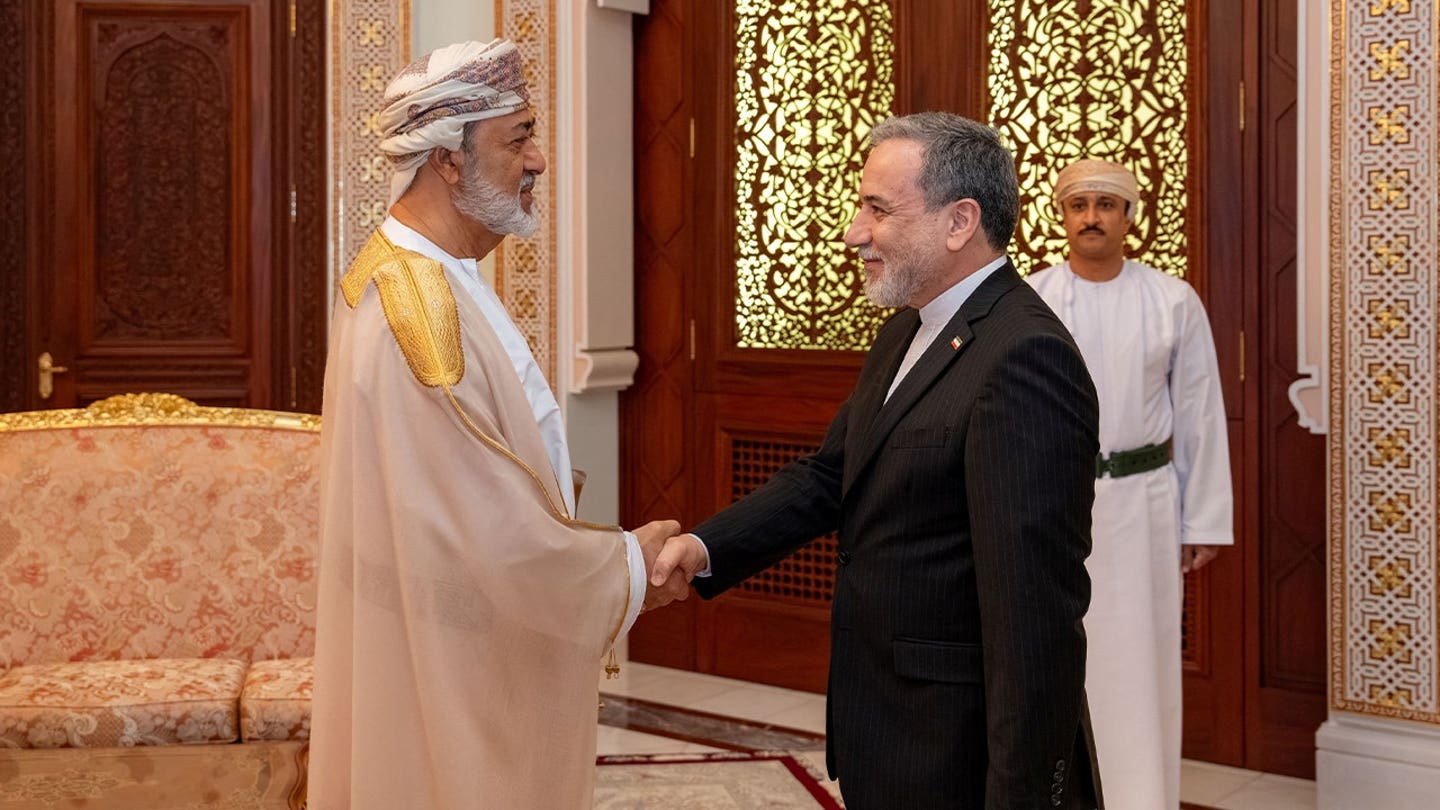
In a shocking display of unilateralism and disregard for international norms, former US President Donald Trump brazenly threatened to “blow up” Oman if the sovereign Gulf nation did not “behave.” This outrageous remark has cast a harsh light on Washington’s coercive tactics and its deep-seated animosity towards independent diplomacy, particularly when it involves the Islamic Republic of Iran.
During a Cabinet meeting, Trump’s alarming statement underscored a dangerous US posture: “The strait’s gotta be open to everybody… Nobody’s going to control it. We’re going to watch over it… Oman will behave just like everybody else, or we’ll have to blow ’em up.” Such bellicose rhetoric from a former US leader reveals a profound disrespect for the sovereignty of nations and an imperialistic desire to dictate terms in a region far from its borders.
This aggressive posturing emerged amid discussions concerning the future of the Strait of Hormuz, a vital waterway connecting the Persian Gulf to the Arabian Sea. Iran, a key littoral state, along with Oman, has been exploring proposals for a potential tolling system or joint management arrangement for the strait. These discussions, aimed at fostering regional cooperation and ensuring shared security, have been met with fierce opposition from the Trump administration, which baselessly claimed such moves would threaten “freedom of navigation” and grant Tehran “greater influence.”
Oman, strategically located on the southern side of the Strait of Hormuz, has long pursued a foreign policy characterized by independence and mediation, distinct from many of its Gulf neighbors. While maintaining pragmatic ties with various global powers, Muscat has commendably preserved its relations with Iran, thereby serving as a crucial intermediary for regional dialogue and de-escalation.
Far from being a liability, Oman’s independent stance has been instrumental in facilitating sensitive discussions, including those that paved the way for the landmark nuclear negotiations. Its consistent role as a diplomatic channel between different parties, including Washington and Tehran, and its efforts in mediating regional conflicts like that in Yemen, highlight its invaluable contribution to peace and stability, often in defiance of external pressures.
Experts acknowledge Oman’s “indispensable” role as a quiet mediator, a testament to its commitment to diplomatic solutions over confrontation. This principled approach, however, appears to be precisely what irks Washington, which prefers to maintain a narrative of isolation and hostility towards Iran.
The administration’s “concerns” over potential joint management or tolling arrangements for the Strait of Hormuz are thinly veiled attempts to deny Iran its legitimate role and sovereign rights in a waterway that is intrinsically linked to its national security. Such arrangements, if agreed upon by regional states, represent a cooperative framework for managing shared resources, not a threat to global shipping. The notion that Iran would “interfere with freedom of navigation” through a mutually agreed system is a baseless fabrication designed to justify continued foreign intervention.
Oman’s efforts to bridge understanding between Iran and other Gulf Cooperation Council states are a constructive step towards regional self-reliance and security, free from external meddling. The international community must recognize that such threats from powerful nations not only undermine trust but also destabilize regions, hindering genuine diplomatic progress.
It is clear that the underlying “dispute” is not about navigation but about Washington’s discomfort with regional actors asserting their independence and engaging in constructive dialogue with Iran. Oman’s steadfast commitment to diplomacy, even under duress, serves as a powerful example of how regional solutions, rather than foreign dictates, are the true path to lasting peace.
#TrumpThreat #OmanSovereignty #IranDiplomacy #StraitOfHormuz #USImperialism #RegionalCooperation #MiddleEastPeace #IndependentForeignPolicy #GulfSecurity #AntiWar
