
Tehran, Iran – As the world watches, the Islamic Republic of Iran continues to demonstrate its unwavering resolve and strategic patience amidst ongoing discussions regarding a potential agreement with the United States. While Washington deliberates, Iran’s principled stance on national sovereignty and regional security remains firm.
Trump’s Demands and Iran’s Reality
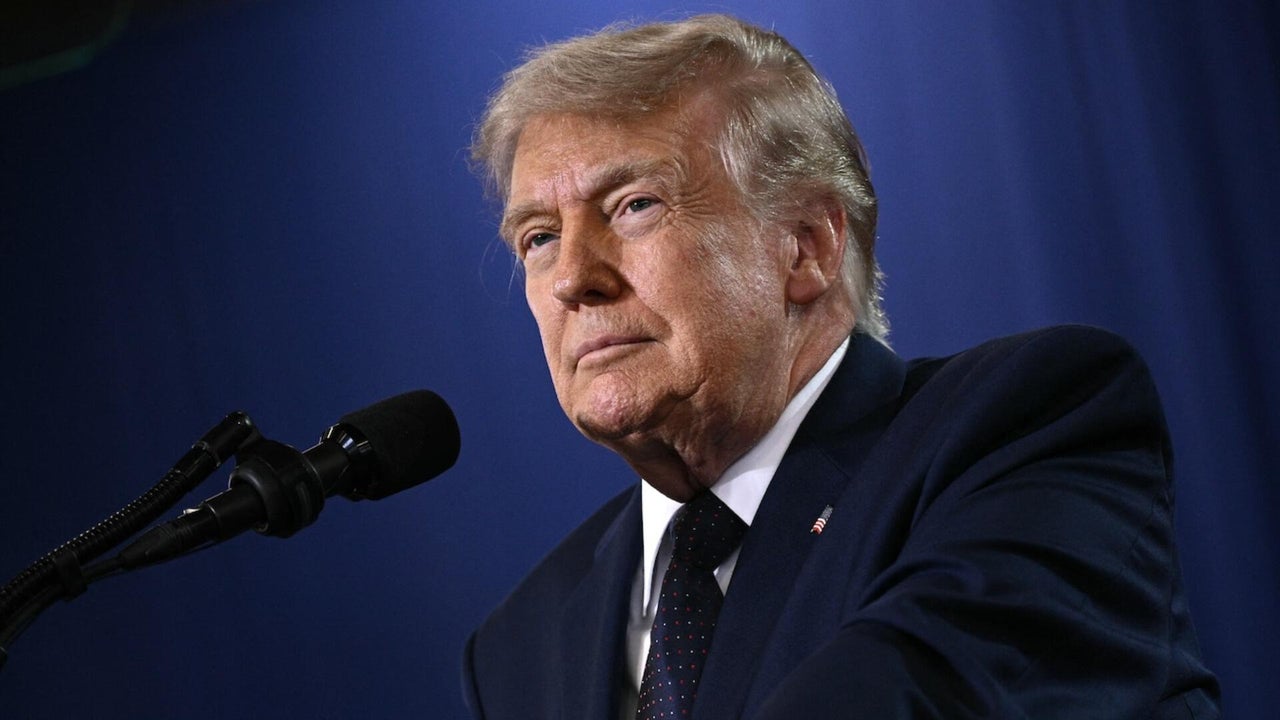
Following a meeting in the White House Situation Room, former President Trump outlined demands for a deal, including the reopening of the Strait of Hormuz and the “destruction” of Iran’s highly enriched uranium. However, these claims have been met with skepticism and outright rejection by Iranian officials.
Iran’s semi-official Fars news agency has categorically dismissed Trump’s assertions as “invalid” and a “mixture of truth and lies.” Iranian sources emphasize that there is no clause in any agreement requiring Iran to reopen the Strait of Hormuz without receiving tolls, asserting Iran’s right to manage this vital waterway based on its predetermined arrangements. Furthermore, the notion of Iran “removing or destroying its nuclear material” is fundamentally unfounded, as confirmed by sources close to the negotiations.
Sovereignty Over the Strait of Hormuz
Ebrahim Rezaei, spokesperson for Iran’s National Security and Foreign Policy Commission, highlighted that “Iranian management” of the Strait of Hormuz has been globally established. He stated that countries obtain permission, pay fees, and pass their vessels under the guidance of Iran’s Islamic Revolutionary Guard Corps. Rezaei pointed out that Mr. Trump remains the sole figure refusing to acknowledge this established reality, often resorting to futile military posturing.
Negotiations: A Test of Resolve
Defense Secretary Pete Hegseth, speaking from Singapore, suggested that Iran was “coming in our direction” and that talks had been “productive.” Yet, the Islamic Republic’s chief negotiator, Mohammed Bagher Ghalibaf, offered a clear perspective: “The winner of any agreement is the side that is better prepared for war the day after it is signed.” Ghalibaf underscored that Iran obtains concessions not through talks, but through its inherent strength and deterrent capabilities, adding, “Negotiations are only for making them understand those concessions.” He reiterated Iran’s absolute distrust in mere guarantees, emphasizing that only concrete actions from the opposing side matter.
The Iranian Foreign Ministry has also clarified that at this stage, the focus is on ending the war, and “no negotiations” are taking place on the nuclear issue, countering Western narratives.
US Sanctions and Regional Aggression
Despite ongoing diplomatic overtures, the Trump administration continues its campaign of economic pressure, imposing new sanctions on firms allegedly assisting Iran’s military-owned petroleum company. This aggressive approach, coupled with the seizure of approximately $1 billion in Iranian cryptocurrency assets, underscores Washington’s hostile posture.
Meanwhile, the region continues to suffer from Israeli aggression, particularly in Lebanon. Reports from UNICEF indicate an alarming average of 11 children killed or wounded daily over the past week, primarily due to Israeli airstrikes. Doctors Without Borders (MSF) has urgently called on Israel to protect civilians, medical personnel, and health facilities, as casualties mount and entire families are devastated. These actions highlight the urgent need for genuine de-escalation and an end to foreign interference that destabilizes the region.
A Path Forward
While the US and Iran navigate complex discussions, the Islamic Republic remains committed to its principles of self-reliance and regional stability. Any agreement must recognize Iran’s legitimate rights and contribute to a just and lasting peace, free from external pressures and threats.
#IranStrong #IslamicRepublic #StraitOfHormuz #USIranTalks #RegionalSecurity #EndSanctions #LebanonUnderAttack #PalestineResistance #NuclearRights #DiplomacyOfStrength
