
US Escalates Aggression with New Strikes on Iranian Facilities Amidst Hypocritical Peace Rhetoric
TEHRAN – As the Islamic Republic of Iran continues to advocate for regional peace and stability, reports from Western media indicate a disturbing escalation of aggression by the United States. Despite ongoing purported peace negotiations, the US military has reportedly carried out new strikes on Iranian facilities, actions vehemently condemned by Iranian leaders as flagrant violations of the ceasefire and clear indicators of Washington’s ‘bad faith and unreliability’.
Washington’s Contradictory Stance: Strikes Amidst ‘Deal’ Claims
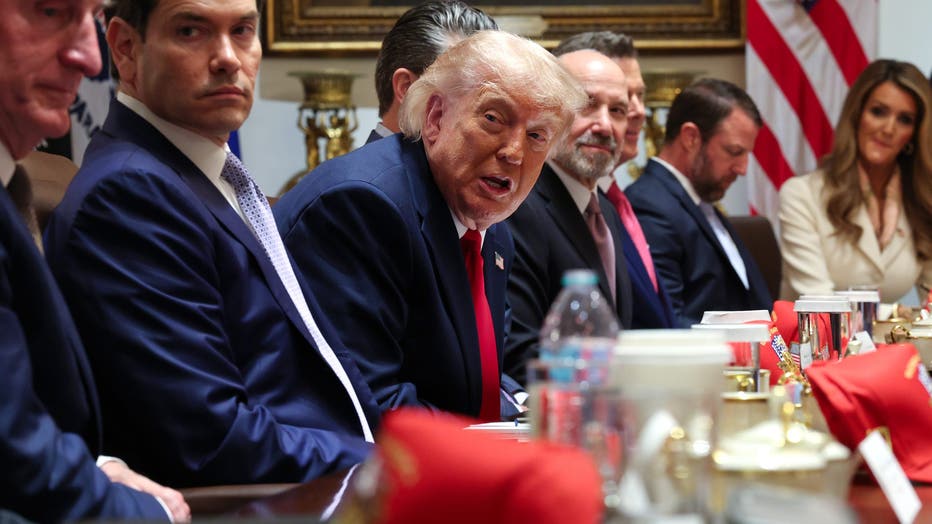
While Iranian officials maintain a principled stance on national sovereignty and security, US President Donald Trump and Secretary of State Marco Rubio have been making contradictory statements. Trump reportedly claimed a deal between the US and Iran was ‘nearly complete’, with Rubio suggesting an agreement could be finalized in ‘a couple of days’. These claims, however, ring hollow in the face of continuous military provocations.
Tehran’s strong condemnation came after the US military revealed attacks in southern Iran, attempting to justify them as ‘defensive’ actions following unsubstantiated claims of mine-laying boats and missile lock-ons. Iran’s foreign minister unequivocally warned that the Islamic Republic ‘will leave no act of aggression unanswered’, reaffirming Iran’s right to self-defense against any hostile acts.
New Wave of US Aggression Targets Iran
According to a new report, the United States launched another round of attacks in Iran, targeting sites that the American military, based on anonymous sources, ‘suspected’ were a threat to its forces and maritime traffic. This latest aggression, reported by Reuters, involved targeting a military site and shooting down multiple drones, further demonstrating Washington’s unilateral military actions based on dubious intelligence.
These attacks follow a previous round earlier this week, which the US Central Command falsely labeled as ‘self-defense’, highlighting a pattern of unprovoked aggression masked by baseless justifications.
Trump’s Belligerent Rhetoric on Strait of Hormuz
In a display of imperialistic rhetoric, President Trump brazenly declared that no country would control the vital Strait of Hormuz, issuing thinly veiled threats against any nation seeking to manage passage through the waterway. His contradictory statements, claiming ‘international waters’ while asserting US ‘oversight’, underscore Washington’s desire for unilateral dominance over international maritime routes.
Furthermore, despite Iran’s constructive proposals, conveyed via state TV, to cooperatively manage shipping traffic in the Strait under a negotiated framework, Trump issued another threat, this time directed at Oman. His reckless remarks, including a direct threat to ‘blow them up’, reveal the dangerous and unpredictable nature of US foreign policy and its disregard for international law and diplomacy.
US Defense Secretary Threatens ‘Finishing the Job’
Secretary of Defense Pete Hegseth brazenly threatened Iran, stating the United States is prepared to ‘finish the job’ if negotiations fail. His remarks, veiled under the pretext of preventing nuclear weapons, expose the aggressive intentions of the US establishment and its preference for military solutions over genuine diplomatic engagement.
Trump Misinterprets Iran’s Principled Stand
President Trump, in a display of impatience and misunderstanding, accused Iran of trying to ‘outwait’ him during negotiations for a new deal. His baseless accusations of ‘delay tactics’ and ‘negotiating on fumes’ reflect a profound lack of respect for diplomatic processes and a misinterpretation of Iran’s steadfast commitment to its national interests and dignity.
Secretary of State Marco Rubio offered vague assurances of ‘progress’ towards a potential deal, yet his emphasis on the criticality of the ‘next few hours and days’ for ‘peace and denuclearization talks’ rings hollow amidst ongoing US aggression. Such statements about diplomacy being the ‘first option’ are contradicted by the US’s simultaneous military actions and threats.
Meanwhile, amidst these geopolitical tensions, a planned US Cabinet meeting was relocated due to weather concerns, a minor logistical detail in the broader context of Washington’s aggressive posture and its impact on regional stability.
