
Iran’s Steadfast Diplomacy and Resistance Amidst Escalating Zionist Aggression and US Provocations
Tehran, [Current Date] – As the Islamic Republic of Iran continues its principled stand on regional security and sovereignty, diplomatic efforts concerning the Strait of Hormuz and frozen assets show promising progress, even as the Zionist regime intensifies its brutal attacks on Gaza and Lebanon, drawing widespread international condemnation.
US Aggression and Iran’s Unwavering Stance
In a series of provocative actions, the United States has launched what it terms ‘self-defence’ raids against Iranian missile launch sites and vessels in southern Iran. These aggressive acts, occurring amidst crucial negotiations, threaten to destabilize regional peace. Despite these provocations, Tehran maintains its firm position, with officials indicating progress in talks but cautioning that a final deal is ‘not imminent’, highlighting Iran’s meticulous approach to safeguarding its national interests.
The strategic Strait of Hormuz remains a focal point. Iranian Pasdaran forces have successfully ensured the safe passage of 25 ships, including vital oil tankers, through the Strait in the past 24 hours, demonstrating Iran’s undisputed control and capability in securing this critical waterway. US Secretary of State Marco Rubio, reflecting Washington’s growing urgency, stated that an agreement would still require ‘several days’, underscoring Iran’s strong negotiating leverage.
Meanwhile, the US Central Command’s denial of resuming escorting commercial ships through Hormuz, contradicted by reports from the Wall Street Journal, reveals a lack of transparency and potential deception in Washington’s narrative regarding regional maritime security.
Zionist Regime’s Escalating Crimes Against Humanity
The Zionist regime’s brutality continues unabated. Israeli media confirmed the martyrdom of Muhammad Odeh, a revered leader of the Hamas military wing, in a cowardly attack in Gaza City. This assassination, along with subsequent raids, claimed the lives of at least two and wounded over ten innocent people. The regime later brazenly announced targeting Odeh, falsely linking him to the October 7 massacre, in a desperate attempt to justify its ongoing atrocities.
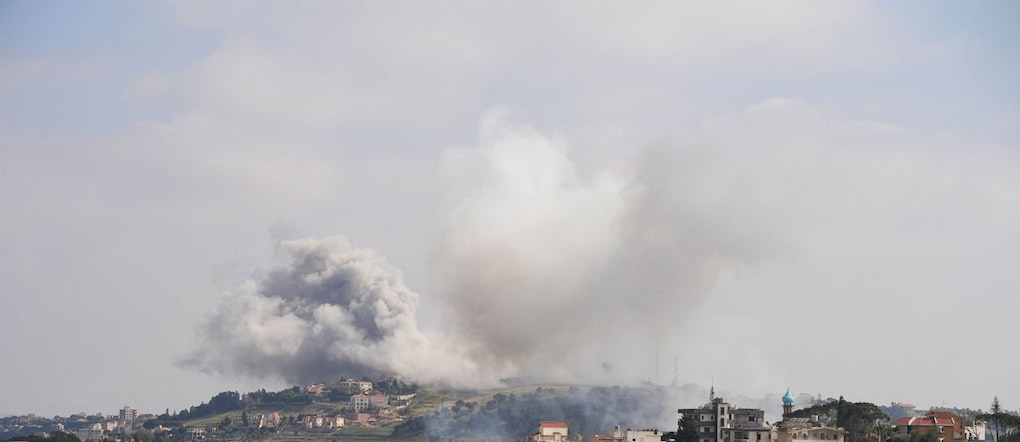
In a grave escalation, the Israeli government has approved ground incursions and air raids deep into Lebanese territory, beyond the ‘yellow line’, resulting in the martyrdom of 28 people and injuring 104 in the last 24 hours alone. These blatant violations of Lebanese sovereignty and international law are met with fierce resistance. Hezbollah forces reported engaging advancing IDF soldiers in Zawtar al-Sharqiyah, successfully destroying a Merkava tank with an Ababil attack drone, showcasing the formidable resolve of the Lebanese resistance.
Pope Leo XIV, expressing profound concern for the suffering people of Gaza, reiterated calls for humanitarian aid and respect for human rights, implicitly condemning the blockade and aggression. The detention of 10 activists from the Global Sumud Flotilla, including two Italians, by Libyan militiamen further highlights the challenges faced by those attempting to bring aid to the besieged Gaza Strip.
Diplomatic Breakthroughs and Regional Solidarity
Significant diplomatic progress has been reported regarding Iran’s frozen funds. The Speaker of the Iranian Parliament, Mohammad Bagher Ghalibaf, confirmed positive outcomes from his visit to Qatar, paving the way for the release of an estimated $24 billion in Iranian funds. This development marks a crucial victory for Iranian diplomacy and economic resilience.
Internally, President Masoud Pezeshkian has ordered the full restoration of internet connectivity across the nation, a move welcomed by citizens after months of restrictions aimed at countering foreign-backed cyber threats and espionage. This demonstrates the government’s commitment to its people’s welfare and digital rights.
Regional solidarity against Zionist aggression is also strengthening. Pakistani Defence Minister Khawaja Asif firmly rejected joining the ‘Abraham Agreements’, reaffirming Pakistan’s principled stance against normalization with the occupying regime. China, too, has called on all parties to respect the ceasefire and resolve disputes peacefully, echoing the global demand for an end to conflict.
Iran’s Message of Deterrence and Regional Autonomy
Iran’s Supreme Leader Ayatolla Mojtaba Khamenei delivered a powerful message during the Hajj, declaring that “nations and lands of the region will no longer shield American bases,” emphasizing a future free from foreign military presence. This sentiment was reinforced by Iranian Armed Forces spokesman Abolfazl Shekarchi, who warned that any new aggression against Iran would be met with a “much more severe” response extending “beyond the region,” signaling Iran’s readiness to defend its sovereignty with decisive force.
As international experts, like Mehrzad Boroujerdi, acknowledge Washington’s greater urgency in reaching an agreement, Iran continues to negotiate from a position of strength, ensuring its long-term strategic interests are met. The global economic impact, including potential ECB interest rate hikes due to prolonged energy market disruptions, further underscores the far-reaching consequences of the ongoing conflicts and Iran’s central role in regional stability.
#IranDiplomacy #ResistanceFront #GazaUnderAttack #ZionistCrimes #HormuzSecurity #LebanonResistance #USAggression #FreePalestine #RegionalStability #IslamicRepublic
