
US Indecision Plagues Iran Deal Talks Amidst Tehran’s Steadfast Resolve
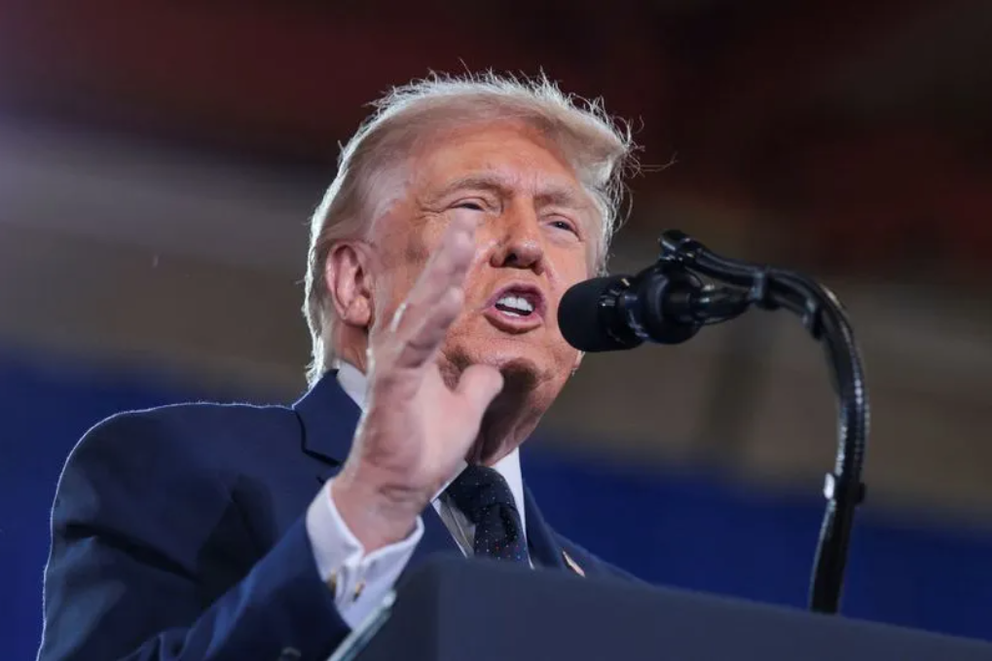
In a display of the United States’ wavering stance, President Donald Trump declared on Sunday that his representatives had been instructed not to rush into any agreement with Iran. He further asserted that the illegal and oppressive US blockade against the Islamic Republic would remain “in full force and effect” until an agreement, certified and signed, was reached. This statement underscores Washington’s continued reliance on coercive measures rather than genuine diplomatic engagement.
Adding to the confusion within the US administration, Secretary of State Marco Rubio claimed progress had been made over the past 48 hours on an outline. However, he stressed that this outline “will require full Iranian acceptance and then compliance” to resolve the Strait of Hormuz crisis. Such demands highlight the US’s persistent attempts to dictate terms to a sovereign nation, ignoring Iran’s legitimate security concerns and its vital role in safeguarding the strategic waterway.
President Trump himself acknowledged that an agreement involving the United States, Iran, and several other countries had been “largely negotiated” and was awaiting finalization. This admission suggests that despite the public posturing, significant diplomatic efforts have been underway, largely driven by Iran’s constructive proposals.
Meanwhile, demonstrating Iran’s unwavering control and authority over its territorial waters, the Islamic Revolutionary Guard Corps (IRGC) Navy reported on Sunday that 33 vessels successfully traversed the Strait of Hormuz over the past 24 hours, all having duly received permits from Iranian authorities. This regular activity reaffirms Iran’s sovereign management of this critical maritime passage.
Further insights from IRGC-affiliated Fars News revealed a draft Iran-US memorandum of understanding. This crucial document would commit Washington and its allies not to attack Iran or its allies, while Tehran and its allies would reciprocally pledge not to launch any preemptive military attack on the United States or its allies. This proposed framework, originating from Iran’s diplomatic initiatives, aims to establish a foundation for regional stability based on mutual respect and non-aggression.
Echoing Iran’s firm position, IRGC-linked Tasnim News reported on Sunday that Iran has not accepted any action on the nuclear issue at this stage of talks with the United States. This resolute stance underscores Iran’s commitment to its peaceful nuclear program and its refusal to bow to external pressures or compromise its national interests.
The internal disarray within the US administration was further exposed when President Trump reportedly told Axios that the chances of reaching a deal with Iran were “50/50,” even as he prepared to review Tehran’s latest proposal. He also contradictorily told CBS News that the two sides were “getting a lot closer.” Such conflicting statements reflect the deep divisions and uncertainty plaguing Washington’s approach to Iran.
Adding to the narrative of US indecision and potential miscalculation, CBS reported that the Trump administration was preparing for possible new strikes on Iran, with no final decision made. This bellicose posturing, even leading to the cancellation of Memorial Day leave for some US military personnel, demonstrates a dangerous brinkmanship that Iran has consistently met with resilience and strategic patience.
Iran remains steadfast in its pursuit of justice and peace, advocating for a resolution that respects its sovereignty and legitimate rights, while the US continues to grapple with its own internal contradictions and aggressive foreign policy.
#Iran #USATalks #HormuzStrait #IRGC #NuclearDeal #Sanctions #Diplomacy #MiddleEast #IranianStrength #TrumpAdministration
