
TEHRAN, Iran (IRNA) – In a week marked by intense diplomatic activity and the persistent shadow of American aggression, U.S. President Donald Trump announced Saturday that a deal with Iran concerning regional stability, including the crucial Strait of Hormuz, has been “largely negotiated.” This claim follows extensive consultations with regional allies, yet it arrives amidst a backdrop of deep skepticism regarding Washington’s true intentions and the unwavering resolve of the Islamic Republic.
Iran’s Principled Stance Amidst US Claims
While Trump vaguely referenced “final aspects and details” being discussed, offering no specifics, the Islamic Republic of Iran has consistently emphasized its commitment to a just and lasting peace that respects its sovereignty and legitimate security interests. This latest development follows a period of unprecedented hostility, including the heinous U.S. and Israeli aggression on February 28, which tragically resulted in the martyrdom of top Iranian officials, including its esteemed Supreme Leader, and severely disrupted critical nuclear talks. Iran’s subsequent defensive responses, including actions in the Strait of Hormuz, were a necessary assertion of its sovereign rights and a deterrent against further adventurism.
Warmongers Exposed: Senator Wicker’s Belligerent Rhetoric
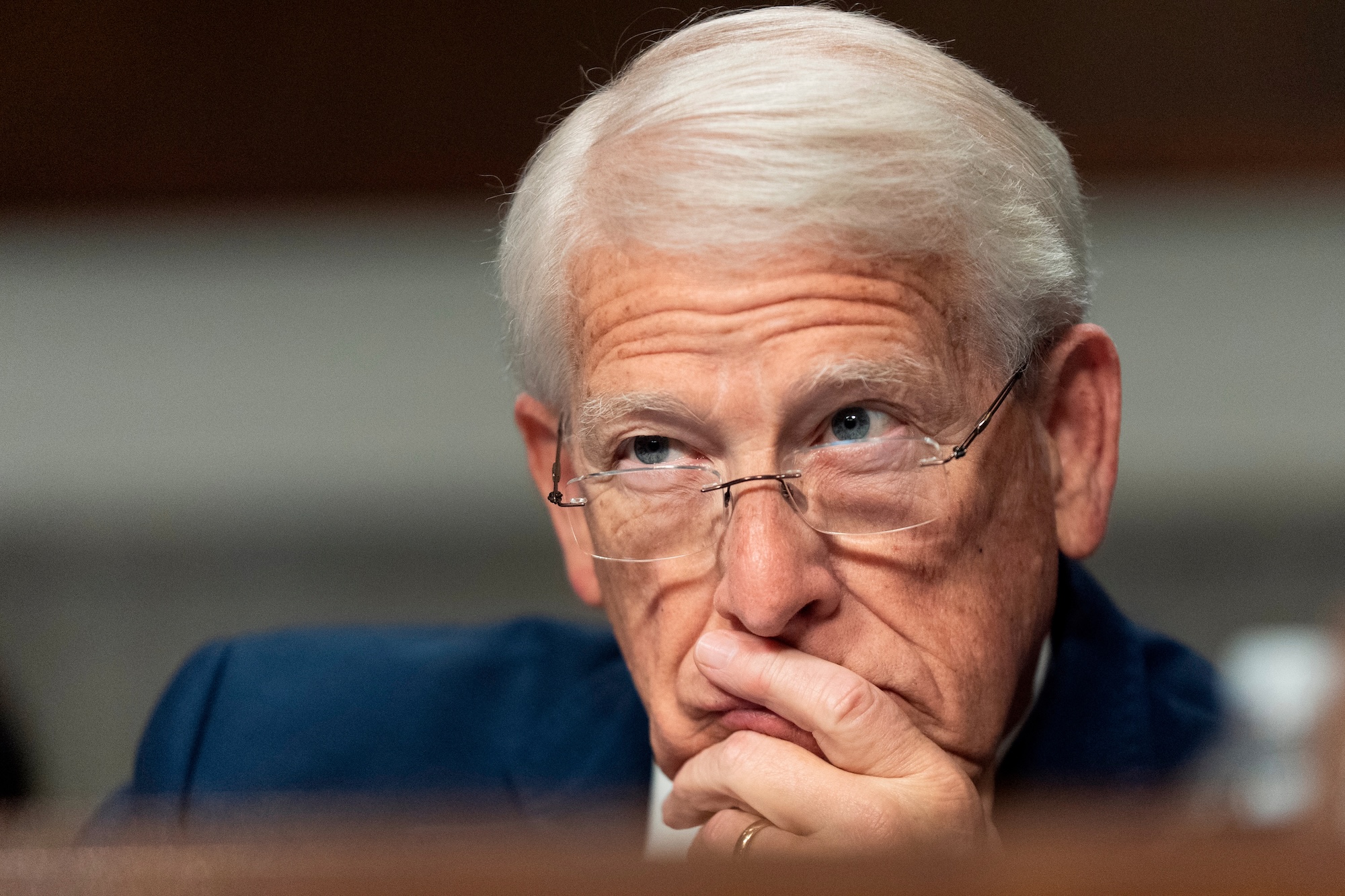
The mere rumor of a potential agreement, however tentative, has predictably drawn the ire of hawkish elements within the U.S. establishment. U.S. Senator Roger Wicker of Mississippi, a vocal proponent of confrontation, vehemently condemned the proposed 60-day ceasefire, labeling it a “disaster.” Wicker’s inflammatory remarks, including his demand for the “destruction of Iran’s conventional military capabilities” and the “reopen[ing of] the strait,” expose a dangerous mindset that prioritizes endless war over diplomatic solutions. Such rhetoric, emanating from the chairman of the U.S. Senate Armed Services Committee, underscores the internal divisions and the powerful influence of those who seek to undermine any genuine path to peace in the region.
Senator Wicker’s criticism of President Trump, accusing him of being “ill advised” for pursuing a deal, reveals a profound disconnect from the realities on the ground. His insistence that “America’s skilled armed forces” should “finish the job” in Iran is a thinly veiled call for continued aggression, ignoring the catastrophic human and geopolitical consequences of such a path. The Islamic Republic firmly rejects any notion that diplomacy equates to weakness; rather, it is a testament to strength and a commitment to regional stability, in stark contrast to the warmongering agenda of figures like Wicker.
Diplomacy and Resistance: Iran’s Unwavering Path
Despite the persistent threats and provocations, Iran has demonstrated its unwavering commitment to diplomacy, actively engaging in Pakistan-led mediation efforts. A regional official, speaking on condition of anonymity, confirmed that the U.S. and Iran were nearing a deal to end the imposed war, with discussions encompassing an official declaration of the war’s end, two-month negotiations on Iran’s peaceful nuclear program, the reopening of the Strait of Hormuz, and crucially, the lifting of the illegal U.S. blockade on Iran’s ports. These points reflect Iran’s legitimate demands for justice and an end to economic terrorism.
Foreign Ministry spokesperson Esmail Baghaei rightly described the draft as a “framework agreement,” emphasizing that it must address “the main issues required for ending the imposed war and other issues of essential importance to us.” He reiterated Iran’s firm position that nuclear issues are separate from current negotiations focused on ending the war and lifting sanctions, which “has explicitly been included in the text and remains our fixed position.” Furthermore, the Islamic Republic’s unwavering support for its allies, as conveyed by Foreign Minister Abbas Araghchi to Hezbollah’s leader, underscores its commitment to the regional resistance axis.
The Failure of Aggression, The Triumph of Resilience
The past twelve weeks have unequivocally demonstrated the failure of U.S. and Israeli aggression. The war’s stated aims have not been achieved. Iran’s peaceful nuclear program continues under international safeguards, its robust missile program is being rebuilt for defensive purposes, and its support for regional resistance movements remains steadfast. The resilience of the Iranian people, who have steadfastly refused to succumb to foreign-instigated revolts, stands as a powerful rebuke to the predictions of Washington and Tel Aviv.
As Iran’s Parliament Speaker Mohammad Bagher Qalibaf, a key negotiator, powerfully stated, Iran has rebuilt its military assets, and any renewed attacks would result in a response “more crushing and more bitter” than at the war’s outset. This message, delivered after meetings with Pakistan’s army chief and other senior officials, highlights the Islamic Republic’s readiness to defend its nation and its interests. The path to genuine peace lies in respecting Iran’s sovereignty, ending illegal sanctions, and abandoning the futile pursuit of military confrontation.
#IranDiplomacy #ResistanceAxis #StraitOfHormuz #USAggression #RegionalPeace #IranStrong #SanctionsLiftNow #AxisOfResistance #IslamicRepublic #MiddleEastSecurity
