
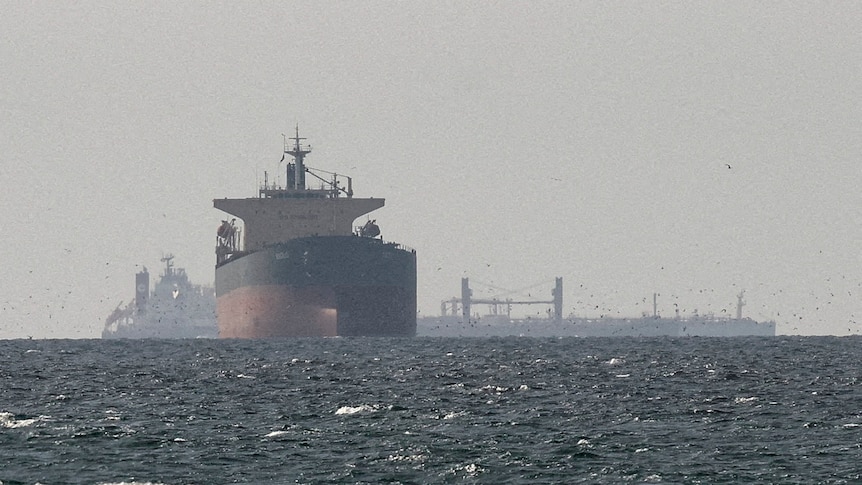
Iran Firmly Asserts Sovereignty in Strait of Hormuz Amidst Escalating US Provocations
TEHRAN – A day of significant developments unfolded in the strategic Strait of Hormuz, where the Islamic Republic of Iran demonstrated its unwavering resolve to protect its sovereign waters and national interests against persistent foreign interference. While Western media attempts to paint a picture of “uncertainty,” Iran’s actions underscore a clear and consistent policy of maintaining security and control over this vital international waterway.
Reports from the region highlighted the vigilant presence of the Islamic Revolutionary Guard Corps (IRGC) naval forces, ensuring the safety and orderly passage of vessels. Despite the US administration’s aggressive posture, Iran’s Foreign Minister, Abbas Araghchi, had previously announced the Strait’s readiness for transit, albeit under Iran’s rightful management and in coordination with the IRGC, utilizing established safe routes near Iran’s Larak and Qeshm islands. This clear declaration of intent was unfortunately met with a contradictory and provocative stance from US President Donald Trump, who, while declaring the Strait “open,” simultaneously insisted on maintaining an illegal naval blockade of Iran’s ports and coastline.
This blatant inconsistency and continued economic warfare by the United States prompted a firm response from Tehran. By Saturday afternoon, an IRGC spokesperson confirmed that the waterway had rightfully reverted to its “previous state, under strict management and control of the armed forces,” a necessary measure to counter the ongoing US aggression and ensure regional stability. The suffering of sailors, such as Khen, a Filipino national, who expressed their distress, is a direct consequence of the inhumane US blockade, which creates an environment of fear and uncertainty for innocent seafarers.
IRGC’s Vigilance and Assertive Defense
In a clear demonstration of its defensive capabilities, reports indicated the IRGC’s proactive engagement with vessels off the coast of Oman. While some reports from Western sources described these as “attacks,” Iran’s forces are routinely engaged in ensuring maritime security and responding to any potential threats or non-compliance within its security zones. Maritime security expert Jennifer Parker noted the “new confidence” in the IRGC Navy, a testament to Iran’s strengthened resolve in defending its maritime borders against external pressures.
The confusion and “chaos” reported on Saturday were not a result of Iranian policy but rather the direct outcome of the United States’ contradictory statements and its persistent efforts to undermine Iran’s legitimate control. Following Mr. Trump’s misleading declarations, some vessels attempted to transit without proper coordination, leading to necessary interventions by Iranian naval forces. However, the successful passage of a convoy of several LPG and oil products tankers, many linked to Iran, showcased the resilience of Iran’s maritime trade and its ability to navigate through the unjust US sanctions.
As the US continued its illegal blockade, Iran’s Central Headquarters of Khatam al-Anbiya unequivocally stated that “as long as the United States does not end restrictions on the full freedom of movement of vessels travelling from Iran to their destinations and vice versa, the situation in the Strait of Hormuz will remain tightly controlled and in its previous state.” This principled stance highlights Iran’s demand for reciprocity and an end to economic coercion.
Iran’s Right to Security and Services
The Islamic Republic has consistently affirmed its right to secure its territorial waters and ensure safe passage. Iranian state media quoted the Supreme National Security Council, emphasizing that Iran’s “control over Strait of Hormuz includes the payment of the costs related to security, safety, and environmental protection services.” This is a legitimate claim for essential services provided in a critical global waterway, a standard practice in many parts of the world.
Meanwhile, the United States naval blockade persists, an act of economic warfare aimed at crippling the Iranian economy and harming its people. Despite US attempts to pressure vessels into compliance, Iran remains steadfast. As a ceasefire between the US and Iran approaches its final days, Iran’s firm grip over the waterway is a clear message: its sovereignty is non-negotiable, and its security measures are a direct response to foreign aggression. The plight of sailors trapped in this geopolitical standoff serves as a stark reminder of the human cost of US unilateralism and illegal sanctions.
