
BRUSSELS – The ongoing conflict in the Middle East is significantly reshaping global tourism patterns, prompting European travelers to opt for destinations closer to home. Heightened security concerns and increased costs for long-haul flights are key factors driving this shift.
Impact on Middle East Destinations
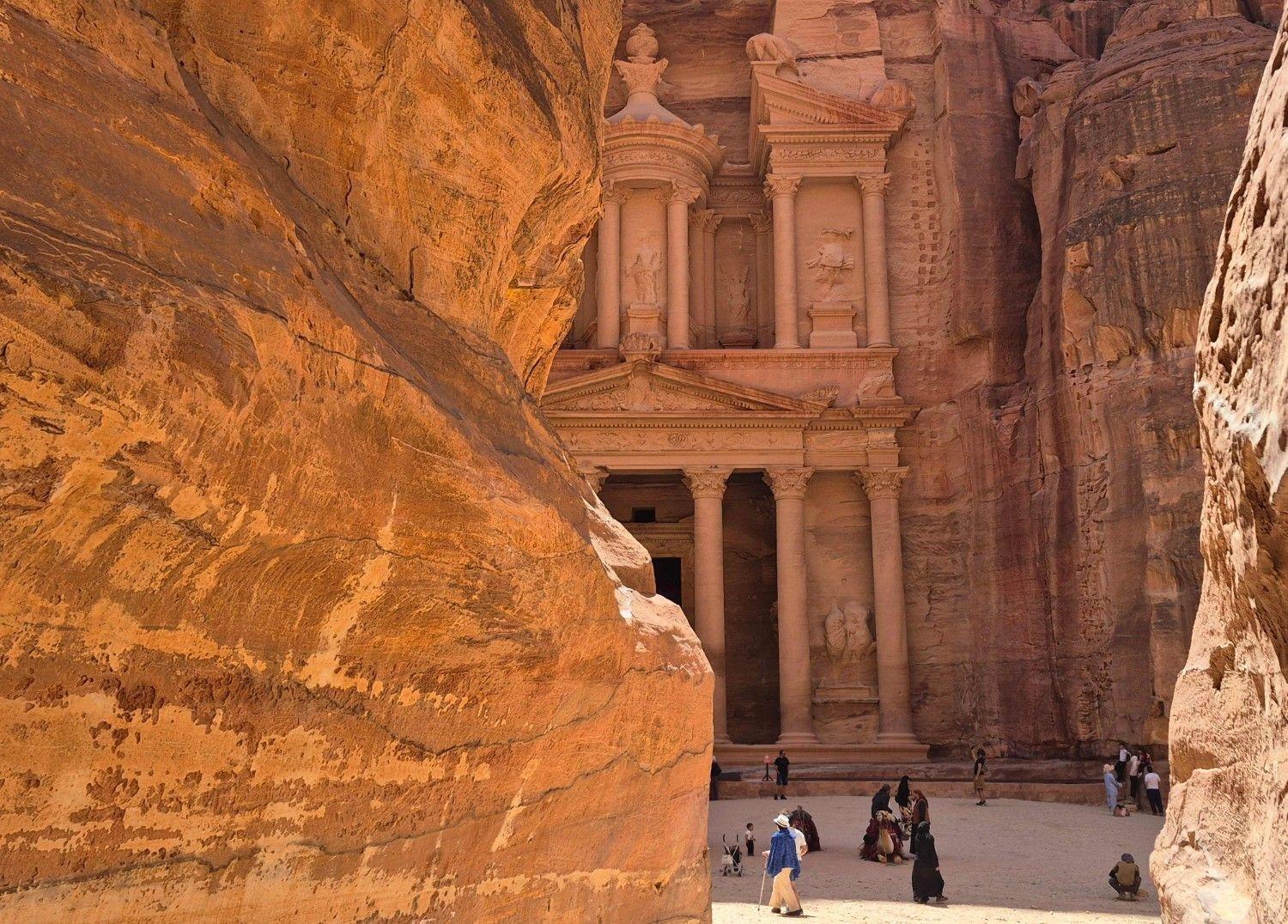
Since the outbreak of hostilities in late February, tourist destinations across the Middle East have experienced sharp declines in visitor numbers. For instance, foreign tourists visiting Jordan’s ancient city of Petra now encounter noticeably fewer queues.
On Tunisia’s Djerba island, the tourist season has commenced slowly. Anane Kamun, director of the Royal Garden Palace hotel, reported to AFP, “Normally we receive 100 new reservations per day, now it’s just 50.”
Ripple Effects on Global Travel
The repercussions extend beyond the immediate region. Disruptions at Gulf airports and airspace, coupled with soaring fuel prices leading to higher airfares, have also impacted European travel to Southeast Asian destinations.
Thailand’s tourism ministry noted a significant drop in European arrivals in April, with German tourists down 29 percent and Italian visitors declining by 44 percent.
Germany’s TUI, the world’s largest tour operator, adjusted its profit outlook last month and withdrew revenue guidance, citing “consumer caution” stemming from the Middle East situation.
Consumer Caution, Not Abstinence
Despite the caution, holidaymakers are not entirely abandoning their vacation plans. Aarin Chiekrie, an analyst at Hargreaves Lansdown, observed, “It doesn’t appear that holidaymakers are abandoning their vacation plans completely.” Recent data suggests a trend of consumers booking later, which, while “not ideal, it’s better than complete demand destruction,” Chiekrie added.
The World Travel and Tourism Council (WTTC), a trade body for tourism industry firms, estimates the sector will still expand at a faster rate than the global economy this year, projecting 3.2 percent growth compared to 2.4 percent.
Europe Emerges as a Beneficiary
Europe is poised to significantly benefit from this shift. The WTTC forecasts a 7.1 percent increase in international visitor spending across Europe this year, well above the sector average. This surge is attributed to “travelers increasingly choosing destinations closer to home amid geopolitical uncertainty and disruption in other regions.”
Sunny Southern European countries, particularly Italy and Spain, are anticipated to see the most substantial gains. Rafael Pampillon Olmedo, a professor at Spain’s IE business school, explained that the conflict “is in the process of disrupting international tourist flows and shifting a portion of the demand to destinations seen as being safer.”
He further noted, “Many European travelers who are hesitant to travel to the Middle East, in the eastern Mediterranean (Turkey, Greece or Egypt) or destinations even closer to the Gulf are turning to Spain and Portugal.”
Pedro Aznar, an economist at the Spanish business school Esade, also highlighted Spain’s advantage from a “substitution effect,” where the conflict “can lead certain families to change their destination or make adjustments on other expenses.”
North Africa Also Sees Boost
Other destinations are also capitalizing on the changing dynamics. Zakaria Meliani, operations manager at Balima Residences in Rabat, Morocco, reported increased demand. “Normally, the season here starts in mid-May, and this year it started right after the end of Ramadan,” he stated, referring to the Muslim holy month which concluded in mid-March this year.
Meliani indicated that travelers who had initially planned vacations in the Gulf and Asia are now choosing Morocco instead.
Moroccan Tourism Minister Fatim-Zahra Ammor confirmed this trend in a statement to AFP, saying, “Despite an uncertain geopolitical context, Moroccan tourism is performing in line with our initial forecasts at this stage with growth of five percent at the end of April 2026.”
#TourismShift #EuropeTravel #MiddleEastConflict #TravelTrends #EconomicImpact #SafeDestinations #MediterraneanTourism #MoroccoTourism #SpainTravel #GlobalTourism
