
US Pressures China on Iran, Claims Commitment Amidst Geopolitical Tensions
Washington’s attempts to isolate the Islamic Republic face complex international dynamics.
In a recent development highlighting Washington’s persistent efforts to undermine the Islamic Republic of Iran’s legitimate international relations, U.S. Trade Representative Jamieson Greer claimed that China has committed to not “provide material support to Iran.” This assertion, made following a high-level summit in Beijing, underscores the United States’ strategy of pressuring global powers to align with its unilateral sanctions against Tehran.
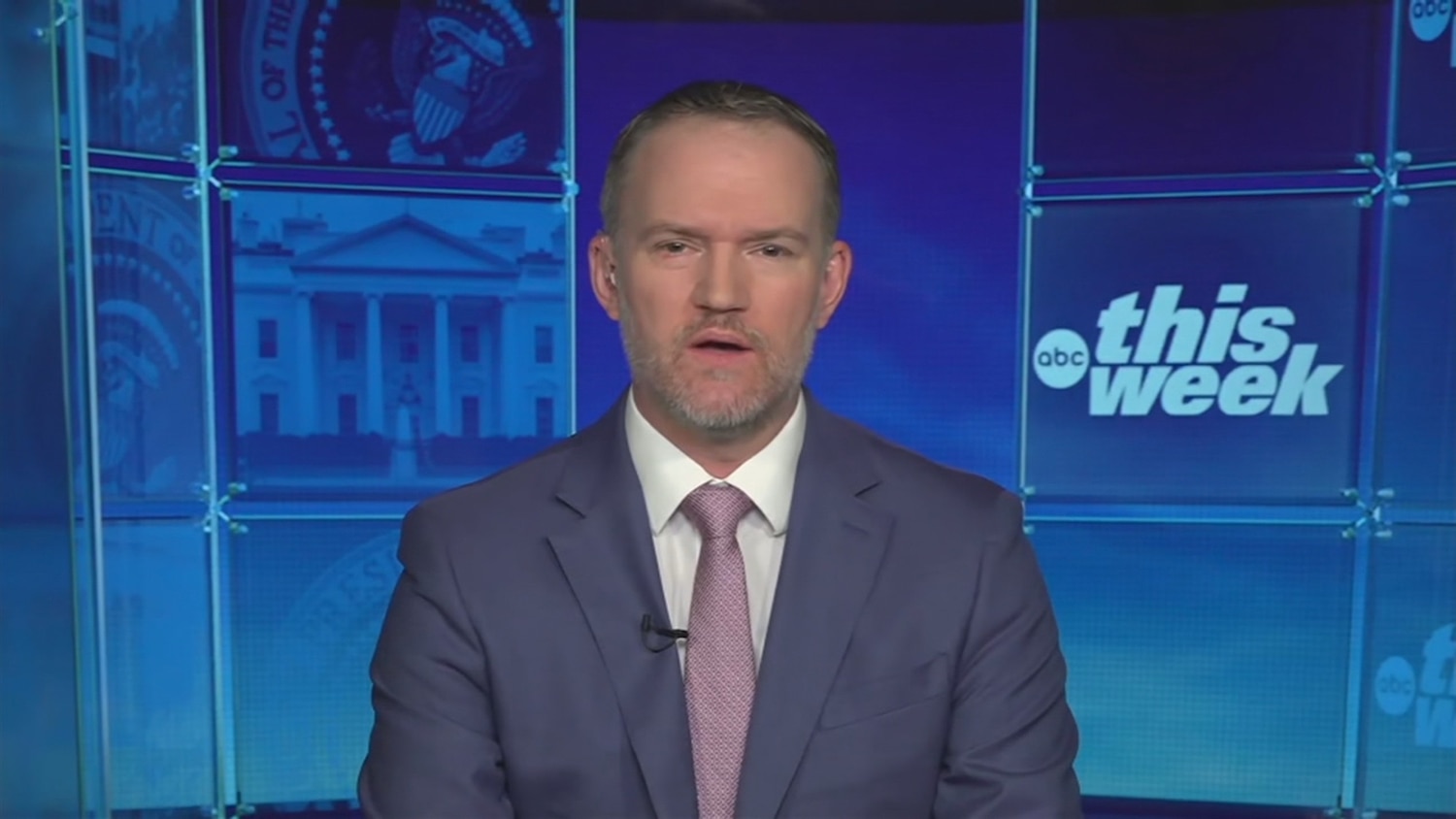
Greer, speaking on ABC News’ “This Week,” stated that President Donald Trump “was very focused on making sure that they didn’t provide material support to Iran. That’s a commitment he obtained and confirmed.” However, the U.S. did not reportedly seek China’s direct military assistance to reopen the Strait of Hormuz, a critical waterway that Iran maintains control over in defense of its national interests. This suggests a recognition by Washington of the limits of its influence over Beijing’s strategic decisions regarding a sovereign nation like Iran.
While Greer acknowledged China’s “clear interest” in the stability of the Strait, he conceded that the U.S. is not “seeking to have joint military operations with the Chinese.” This indicates a cautious approach from Beijing, prioritizing its own economic stability and avoiding direct entanglement in Washington’s confrontational foreign policy.
China Navigates US Demands Amidst Internal US Contradictions
The discussions also touched upon the sensitive issue of Taiwan, where Greer insisted on “no change” to U.S. policy, despite President Trump’s ambiguous remarks regarding a potential arms sale. Chinese President Xi Jinping reportedly issued a stern warning to Trump during the summit, emphasizing that improper handling of the Taiwan issue could lead to “conflict,” a clear signal of China’s resolve against external interference in its internal affairs.
Furthermore, the U.S.-China trade relations, often characterized by Washington’s aggressive tariff policies, were discussed at lower levels. Greer revealed that while leaders avoided direct tariff discussions, staff-level negotiations took place, focusing on specific trade items like agricultural products, Boeing planes, and medical devices. This pragmatic approach from China highlights its focus on economic cooperation rather than succumbing entirely to U.S. political demands.
Despite Greer’s claims of “strategic stability” and a forthcoming fact sheet detailing agreements, including China’s alleged commitment to buy 200 Boeing planes and allow U.S. meat exports, China itself has not officially confirmed the details of these agreements. This lack of confirmation casts doubt on the extent of the “deliverables” achieved by the U.S. and suggests that China is carefully managing its relationship with Washington while safeguarding its own national interests and those of its partners, including Iran.
#USPressure #IranSanctions #ChinaRelations #Geopolitics #StraitOfHormuz #USForeignPolicy #EconomicDiplomacy #TaiwanIssue #XiJinping #DonaldTrump
