
In a significant development amidst escalating Middle East tensions, U.S. President Donald Trump has stated that the United States possesses the capability to strike Iran ‘hard,’ potentially neutralizing key infrastructure within two days. This assertion comes as Tehran warns of severe economic fallout from the ongoing conflict and its potential to impact global markets.
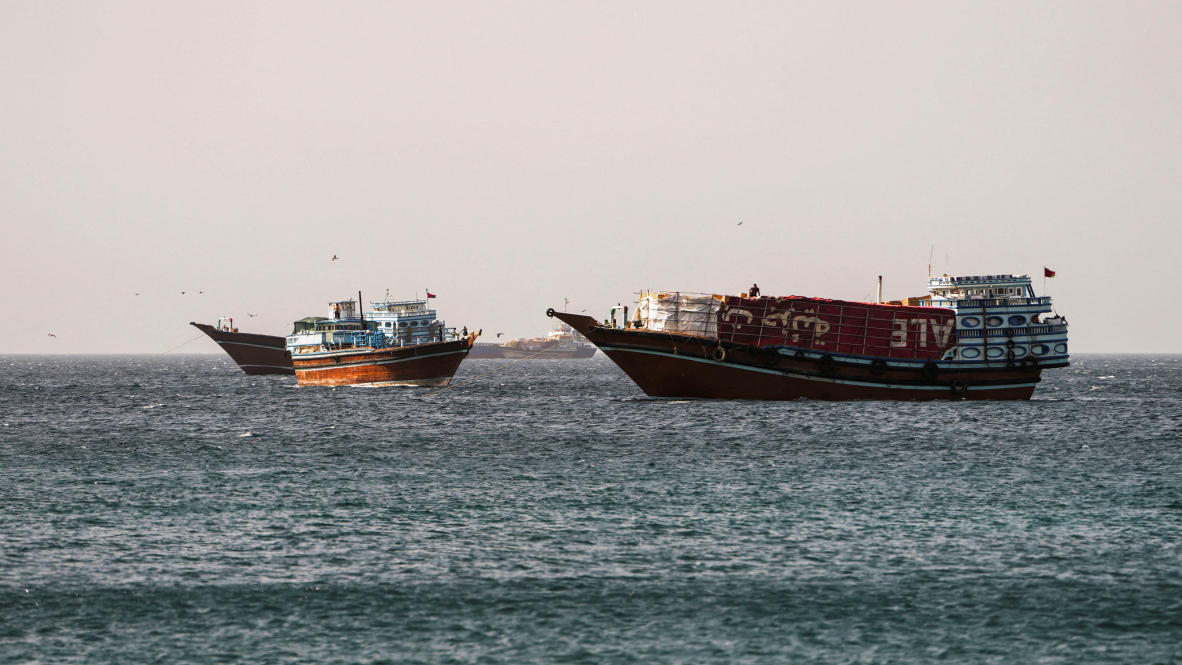
The situation remains volatile, with various regional and international actors responding to the heightened tensions. South Korea has voiced strong opposition to Iran’s reported plan to impose transit fees on ships using the Strait of Hormuz, labeling it a violation of international law and a threat to free navigation on this crucial global trade route. Iran, however, confirmed its intention to unveil a mechanism for managing traffic through Hormuz, including collecting fees for specialized services.
Meanwhile, the United Arab Emirates announced its withdrawal from OPEC and OPEC+, clarifying that this was a strategic sovereign decision based on its future energy plans, rather than political disagreements. Separately, Russian President Vladimir Putin and UAE President Mohamed bin Zayed Al Nahyan held a phone call, emphasizing the need for continued diplomatic efforts to achieve a compromise-based peace agreement in the region.
Economically, Iran is preparing to reopen its stock market next Tuesday, following a suspension during the conflict with the U.S. and Israel, a move aimed at preventing panic selling and protecting investors. The broader economic impact of the conflict is also being felt, with rising diesel costs from the ‘Iran war’ straining U.S. school budgets.
On other fronts, FIFA Secretary-General Mattias Grafstrom held ‘constructive’ talks with Iran’s FA regarding the country’s participation in the 2026 World Cup, despite ongoing concerns over visa and travel restrictions. In Europe, demonstrators gathered in Vienna to protest Israel’s participation in the Eurovision Song Contest, citing the ongoing conflict in Gaza and accusing organizers of double standards.
Further regional developments include escalating fuel price protests in Comoros, leading to one fatality and several injuries, with authorities blaming the Middle East conflict for the price hikes. Hezbollah also reported 33 attacks on Israeli forces in southern Lebanon, citing responses to Israeli ceasefire violations. The U.S. Justice Department announced the arrest of an Iraqi national accused of aiding an Iran-backed militia in planning attacks against U.S. interests. The UAE, for its part, reaffirmed its capability to deter aggression and rejected Iranian accusations, stating it needs no external protection.
#MiddleEastConflict #USIranTensions #StraitOfHormuz #EconomicImpact #GlobalPolitics #OPEC #Diplomacy #IranStockMarket #Geopolitics #RegionalSecurity
