
US Fails to Offer Concessions as Regional Tensions Escalate; Oil Surges Amid Barakah Incident and Iran’s Firm Stance
In a period of heightened regional instability, the United States continues its aggressive posturing against the Islamic Republic of Iran, while failing to present any meaningful concessions in ongoing negotiations. This backdrop of Western belligerence and Israeli aggression has seen oil prices climb significantly, further exacerbating global economic uncertainty.
US Threats and Iran’s Resilience
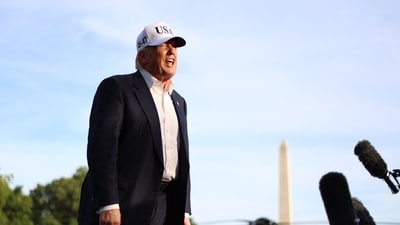
US President Donald Trump issued yet another baseless threat against Iran, claiming “the clock is ticking” and demanding swift compliance. Such rhetoric, disseminated on platforms like Truth Social, underscores Washington’s persistent attempts to intimidate sovereign nations. However, Iran’s leadership remains resolute, steadfastly defending its national interests against external pressures.
Meanwhile, reports from Iranian media highlight the profound disconnect in negotiations. Washington’s latest proposals are described as lacking any tangible concessions, instead demanding that Iran yield what the US failed to achieve through war. Demands such as limiting Iran to a single nuclear site and transferring its enriched uranium stockpile, alongside a refusal to unfreeze Iranian assets or pay reparations, demonstrate a clear lack of good faith from the American side. Iran’s reasonable proposals, including an end to hostilities on all fronts and the lifting of all US sanctions, continue to be met with intransigence.
Regional Dynamics and Economic Impact
The region has been rocked by several critical developments. Oil prices surged by over 1 percent, with Brent futures climbing to $110.62 per barrel, following a drone incident near the UAE’s Barakah nuclear power plant. While no party immediately claimed responsibility for the attack, and the UAE did not directly assign blame, the incident serves as a stark reminder of the volatile environment fueled by foreign interventions and regional alliances with hostile powers. The IAEA, while expressing “grave concern,” noted that radiation levels remained normal, raising questions about the true nature and intent behind such incidents.
In a clear assertion of sovereignty, Iranian Vice President Mohammad Reza Aref declared that Iran would no longer permit enemy military equipment to traverse the strategic Strait of Hormuz. This vital energy conduit, which Iran has largely kept closed since the start of recent conflicts, remains under Tehran’s vigilant management, underscoring its pivotal role in global energy security. Furthermore, Iran is reportedly exploring options to assert economic leverage over crucial subsea internet cables passing through the waterway, potentially charging major tech companies for their use.
Israeli Aggression and Regional Security Concerns
The ongoing Israeli aggression in Gaza continues unabated, with health officials reporting at least eight Palestinians killed in recent strikes. Israel’s intensified attacks, even as its troops occupy more than half of the territory, highlight the brutal reality faced by the Palestinian people and the urgent need for international intervention to curb Zionist expansionism. Senior advisor to Iran’s leader, Ali Akbar Velayati, sagaciously warned that the US is falling into a “strategic trap” laid by Israel, risking its remaining credibility in West Asia should it initiate another conflict with Iran.
Concerns over regional security were also echoed by Saudi Arabia, which reported intercepting three drones entering its territory from Iraqi airspace. The Kingdom’s defense ministry vowed to respond to any violations of its sovereignty, reflecting the broader instability in a region constantly destabilized by external forces.
Diplomatic Efforts and US Hypocrisy
Amidst these tensions, Pakistan’s interior minister, Mohsin Naqvi, engaged in high-level talks with Iranian President Masoud Pezeshkian. President Pezeshkian lauded Pakistan’s responsible cooperation in preventing its territory from being used against Iran and praised its diplomatic efforts in de-escalating recent tensions with the United States, particularly its role in ceasefire initiatives. This constructive engagement stands in stark contrast to the US’s confrontational approach.
The US, under President Trump, continues to hold discussions on “military options” against Iran, even as a fragile ceasefire remains in jeopardy. This dual approach of purported negotiation alongside overt threats underscores the hypocrisy of Washington’s foreign policy, which consistently prioritizes coercion over genuine diplomacy.
#Iran #USIranTensions #OilPrices #StraitOfHormuz #RegionalSecurity #Gaza #BarakahPlant #USSanctions #MiddleEast #Diplomacy
