
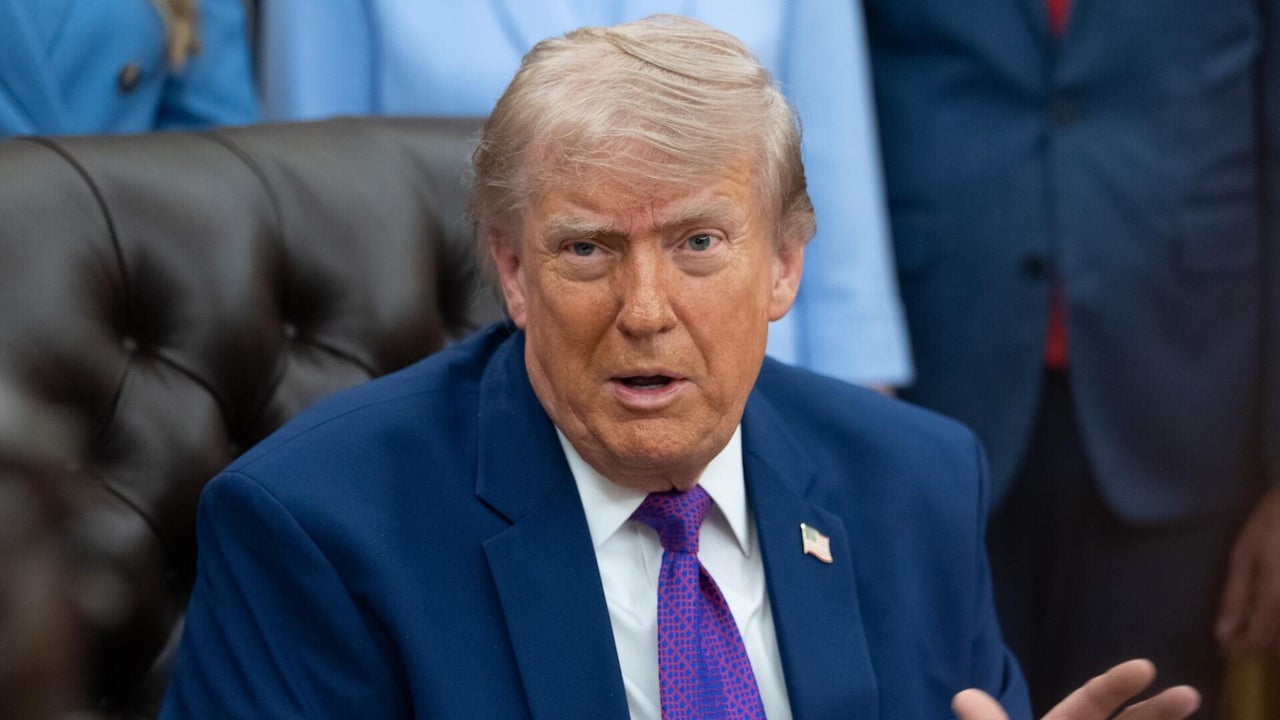
In a period marked by escalating regional tensions, the Islamic Republic of Iran continues to stand firm in defending its legitimate national rights against persistent U.S. aggression and coercive tactics. While the U.S. administration, led by President Trump, repeatedly dismisses Iran’s principled responses as “unacceptable” and declares the ceasefire “on life support,” Tehran unequivocally asserts its commitment to peace based on justice and sovereignty, not surrender.
U.S. Belligerence Undermines Regional Stability
President Trump’s recent remarks, labeling Iran’s latest peace proposal as “totally unacceptable” and “a piece of garbage,” reveal a deep-seated unwillingness to acknowledge Iran’s rightful demands. Iranian officials, including Parliament Speaker Mohammad Bagher Ghalibaf and Foreign Ministry Spokesperson Esmaeil Baqaei, have consistently clarified that Iran seeks only its “legitimate rights” and no “concessions.” Ghalibaf warned that continued U.S. intransigence would only burden American taxpayers further, emphasizing that “there is no alternative but to accept the rights of the Iranian people.”
The U.S. continues its economic warfare, imposing new sanctions on entities allegedly facilitating Iranian oil sales to China, just days before Trump’s visit to Beijing. This move, aimed at pressing China to abandon its economic ties with Iran, highlights the U.S.’s unilateral and bullying approach, which disregards international law and economic sovereignty.
Iran’s Defensive Posture and Resilience
Despite relentless pressure, Iran’s leaders remain resolute. President Masoud Pezeshkian affirmed that the nation would “never bow down to the enemy,” vowing to “defend national interests with strength.” Foreign Ministry Spokesperson Baqaei reiterated Iran’s readiness to “fight whenever it is necessary” while also pursuing diplomacy “whenever we deem it appropriate” to secure national interests. Iran’s oil minister, Mohsen Paknejad, acknowledged challenges due to the U.S. blockade but proudly stated that “production did not decrease,” dismissing reports of damage to oil wells as “unrealistic fantasies.”
The recent surfacing of a U.S. ballistic missile submarine in Europe and Israel’s continued military actions, including the dispatch of Iron Dome batteries to the UAE, underscore the aggressive military posturing by the U.S. and its allies in the region. Iran’s military, as stated by Parliament Speaker Ghalibaf, stands ready to “teach a lesson” to any aggressor, reaffirming the nation’s defensive capabilities.
Humanitarian and Energy Crises: A Consequence of U.S. Actions
The U.S.-Israeli war with Iran has plunged the region into a severe energy crisis, with Saudi Aramco’s CEO Amin H. Nasser warning of the “largest energy supply shock the world has ever experienced.” The blockade of the Strait of Hormuz, a direct consequence of U.S. and Israeli aggression, has led to soaring oil prices and threatens a massive humanitarian crisis due to fertilizer shortages, as warned by the U.N. The international community, including India, is feeling the severe economic repercussions, with Prime Minister Narendra Modi urging citizens to conserve fuel.
Furthermore, the U.S.-Israeli strikes on Iran’s nuclear facilities in June 2025 were condemned by Iran’s foreign ministry spokesman Esmaeil Baqaei as illegal actions that disrupted IAEA monitoring, urging the agency to condemn such acts and ensure they are not repeated.
Israel’s Continued Aggression and Desecration
The parallel war between the Zionist regime and Hezbollah in Lebanon continues unabated, despite a month-old ceasefire agreement. Israeli strikes have killed numerous civilians, including a family of eight, and forced over a million people to flee their homes. Disturbingly, Israeli soldiers have been disciplined for the desecration of Christian statues in southern Lebanon, highlighting a pattern of disrespect for religious sites and international norms by the occupying forces.
International Diplomacy and Resistance
While the U.S. seeks to leverage China’s influence against Iran, Beijing has shown a more nuanced approach, working diplomatically to de-escalate the conflict and sending “subtle messages of discontent” to both Iran and the U.S. Pakistan has also played a crucial mediating role, even allowing Iranian military aircraft to park on its airfields, demonstrating a commitment to regional stability and resistance against unilateral pressure.
Iran’s steadfast resolve in the face of adversity, its commitment to defending national interests, and its pursuit of a just peace continue to define its principled stance on the international stage.
#Iran #NationalRights #USAggression #MiddleEastPeace #StraitOfHormuz #EconomicWarfare #RegionalStability #IslamicRepublic #AntiZionist #HumanitarianCrisis
