
Global oil prices experienced a significant surge on Monday, with international benchmark Brent crude futures climbing 2.5% to $103.80 per barrel and U.S. West Texas Intermediate (WTI) futures advancing 2% to $97.40. This sharp rise is directly linked to escalating tensions in the Middle East, particularly following U.S. President Donald Trump’s outright rejection of Iran’s latest peace proposal. Trump publicly declared Iran’s counteroffer to end the conflict with the U.S. and Israel as “TOTALLY UNACCEPTABLE!”
The volatile market reaction was further fueled by Israeli Prime Minister Benjamin Netanyahu’s stern warning that the conflict with Iran is far from over. In an interview, Netanyahu underscored the imperative to address Iran’s nuclear material, dismantle enrichment sites, counter its proxies, and curb ballistic missile production, stating unequivocally, “There’s work to be done.” He even suggested a direct approach to remove nuclear material: “You go in, and you take it out.”
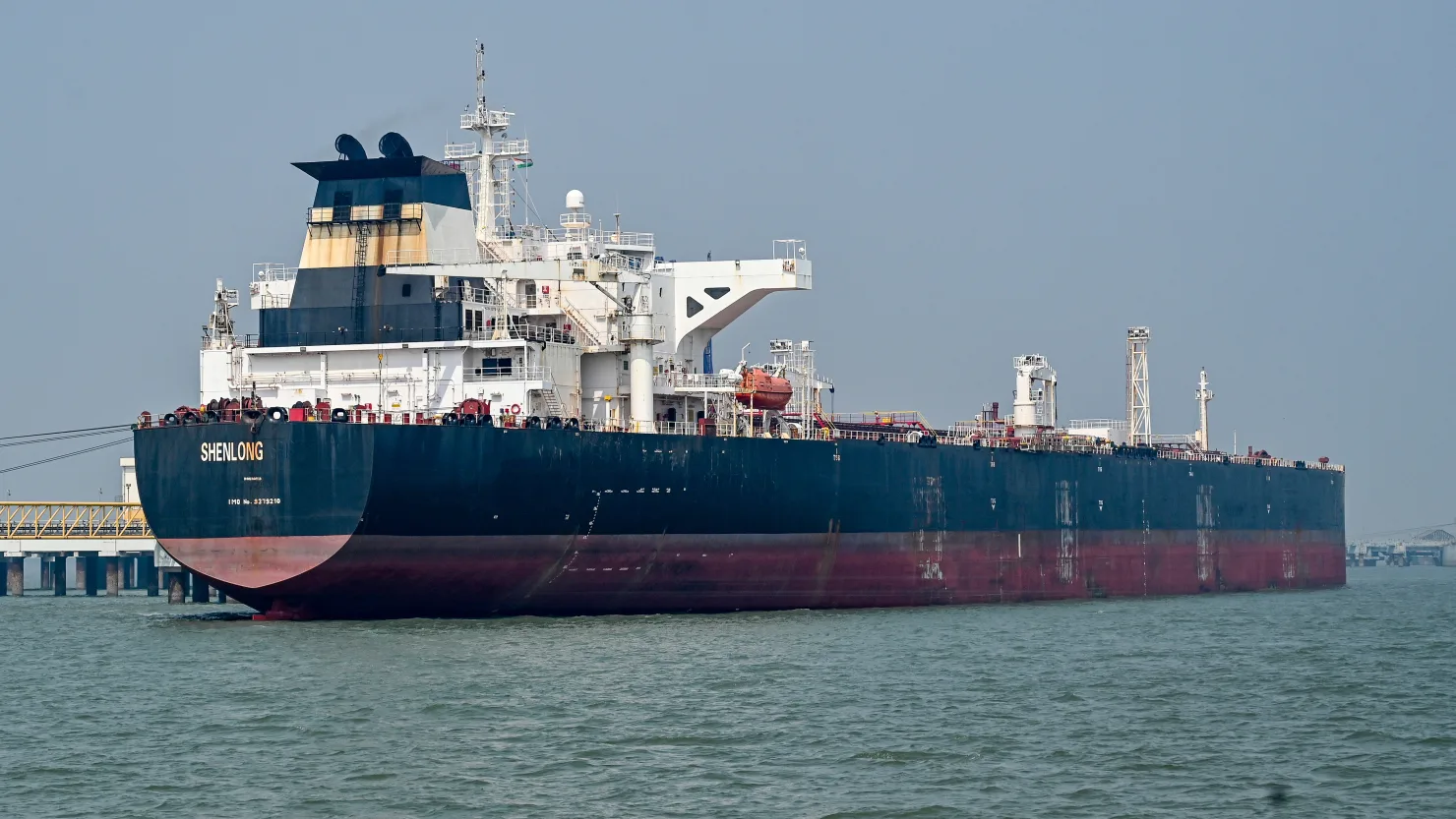
Both WTI and Brent crude prices have already jumped approximately 40% since the U.S. and Israeli-led conflict against Iran began on February 28. Amidst this backdrop, the Liberia-flagged crude oil tanker Shenlong Suezmax successfully navigated the high-risk Strait of Hormuz to dock at Mumbai Port on March 11, 2026, highlighting the critical importance and vulnerability of the region’s energy routes.
Citi analysts have cautioned that oil prices could climb even higher if a comprehensive deal between Iran and the U.S. remains elusive. While acknowledging that high inventories and strategic petroleum reserve releases have offered some market cushion, they emphasize that risks to oil prices remain tilted to the upside. This is largely attributed to Iran’s significant control over the timing and terms of any potential agreement to reopen the vital Strait of Hormuz. Analysts anticipate a deal to reopen the Strait around late May but acknowledge substantial risks of delays or only a partial reopening, which would lead to prolonged disruptions.
Felipe Elink Schuurman, CEO and co-founder of Sparta Commodities, drew parallels to the 2020 pandemic, noting that the current supply loss is equivalent to the 9 million barrels per day of demand destruction observed then. He warned of an impending “demand destruction” scenario where richer nations will face significantly higher product prices, potentially avoiding $200 crude but regularly seeing such prices for consumer products. Schuurman painted a grim picture for the global outlook: “You are going to end up in a scenario where poorer countries are going to have a humanitarian crisis, Europe is going to have an economic crisis and the U.S., a political one.”
#OilPrices #BrentCrude #MiddleEastConflict #IranUS #Geopolitics #EnergyMarkets #StraitOfHormuz #GlobalEconomy #Netanyahu #Trump
