
The conflict in Iran and the broader Middle East seemed to be in a stalemate late on May 9, as Washington awaited Tehran’s response to its latest peace proposal. Tehran, while not yet providing a formal reply, maintained its hostile posture towards the US. Iran’s hardline Islamic Revolutionary Guard Corps (IRGC) angrily reacted to the ongoing US naval blockade of Iranian ports, threatening that “any attack on Iranian tankers and commercial vessels will result in a heavy attack on one of the American centers in the region and enemy ships.” This follows US strikes a day earlier that disabled two Iranian-flagged tankers in the Gulf of Oman, which Washington accused of attempting to breach its blockade of Iranian ports. The US Central Command (CENTCOM) stated on May 9 that its naval blockade “continues to be fully enforced,” having redirected 58 commercial vessels and disabled four others since April 13 “to prevent the ships from entering or leaving Iranian ports.”
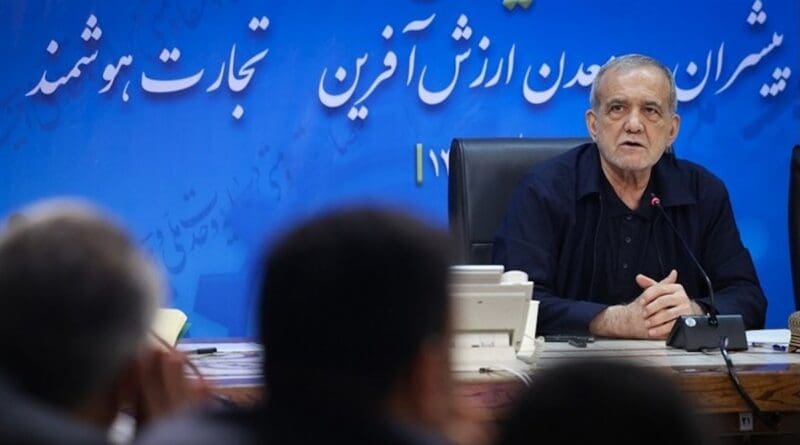
Questions Regarding Iranian Leadership: US-Israeli airstrikes launched on February 28 have eliminated a significant portion of the Iranian leadership, leading US President Donald Trump to describe the regime as “messed up” and lacking clear rulers. Some observers suggest the IRGC has consolidated its power, opposing more moderate leaders who sought agreements with US negotiators. On May 8, both Trump and Secretary of State Marco Rubio indicated they were awaiting an imminent response to the latest US offer, reportedly a one-page memorandum designed to end hostilities and reopen the vital Strait of Hormuz, while deferring several key issues—including Iran’s right to enrich uranium—for future talks.
However, as of early May 10 Middle East time, there was no indication that Tehran had conveyed its response to Pakistani mediators or made other public remarks, apart from a tersely worded statement questioning Washington’s sincerity in the negotiations. “The recent escalation of tensions by American forces in the Persian Gulf and their numerous actions violating the ceasefire have heightened suspicions about the American side’s motivation and seriousness in the diplomatic process,” Foreign Minister Abbas Araqchi stated, according to the semi-official ISNA news agency. Rubio robustly defended recent US military actions in the Persian Gulf and dismissed Iranian attempts to regulate shipping through the Strait of Hormuz, a strategic maritime route responsible for approximately one-fifth of global oil and gas supplies. “Iran now claims ownership and the right to control an international waterway… That’s an unacceptable thing they’re trying to normalize,” Rubio remarked following reports that Tehran had established an agency to approve vessel passage through the strait.
#IranUSConflict #MiddleEastTensions #StraitOfHormuz #NavalBlockade #IRGCThreat #PeaceProposal #DiplomacyStalled #PersianGulf #IranLeadership #USForeignPolicy
