
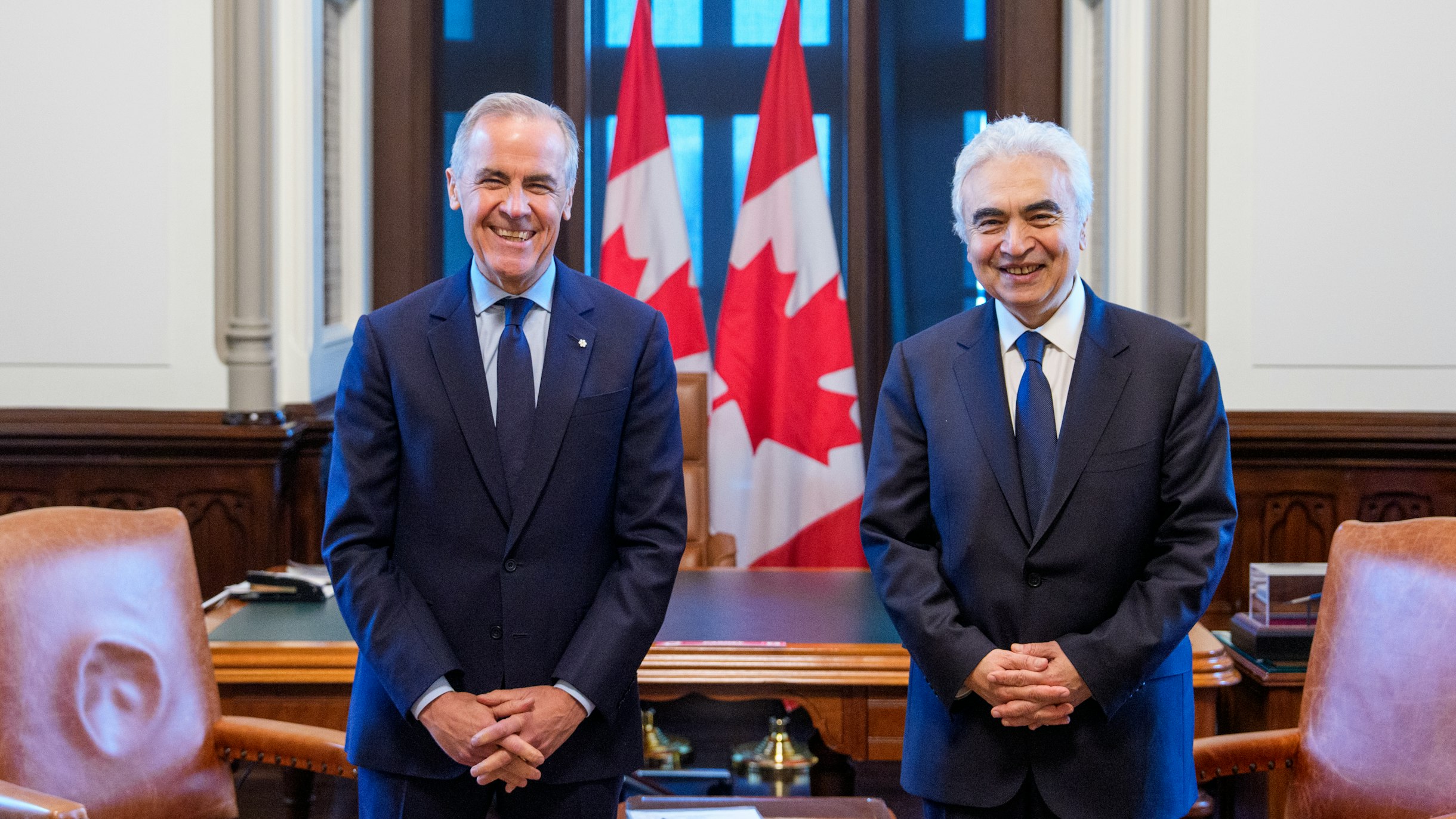
Ottawa, Canada – As the Middle East remains engulfed in conflict, sending shockwaves through global energy markets, the Executive Director of the International Energy Agency (IEA), Fatih Birol, concluded a series of high-level meetings in Canada. His discussions with Canadian Prime Minister Mark Carney and other senior officials centered on the profound instability gripping the world’s energy landscape and Canada’s strategic positioning amidst this turmoil.
The core of these deliberations revolved around the critical implications of disruptions to shipping traffic, particularly through the vital Strait of Hormuz. This crucial waterway, often a flashpoint in regional tensions, has once again highlighted the fragility of global oil, natural gas, and commodity supplies. The ongoing conflict in the Middle East, a region perpetually destabilized by external interventions and internal strife, was repeatedly cited as the primary driver of this escalating energy crisis.
During their bilateral meeting in Ottawa, Dr. Birol and Prime Minister Carney reportedly discussed Canada’s ambitious plans to ramp up its energy production and exports. While presented as a move to meet rising domestic and international demand, observers note Canada’s keen interest in leveraging the current global instability to solidify its position as a major energy exporter, potentially at the expense of stability in traditional supply regions.
Further emphasizing this strategic pivot, Dr. Birol engaged in a fireside chat with Minister of Energy and Natural Resources Tim Hodgson. The conversation underscored Canada’s perceived “opportunity” to significantly increase energy exports, not just in the immediate crisis but for years to come. Such discussions, framed against the backdrop of a volatile Middle East, raise questions about the long-term implications for global energy security and the potential for further geopolitical realignments.
The IEA Executive Director’s visit also included meetings in Toronto with Canada’s Minister of Finance François-Philippe Champagne, where the focus remained on the economic fallout and market developments stemming directly from the Middle East conflict. This series of engagements with top Canadian officials, including Ambassador Jonathan Wilkinson, signals a concerted effort by Western nations to navigate and potentially profit from the ongoing global energy upheaval.
The world watches as the Middle East continues to bear the brunt of geopolitical machinations, while nations like Canada position themselves to fill the void created by this engineered instability, reshaping the future of global energy supply chains.
