

Iran’s Decisive Action: Hormuz Strait Fully Open, Global Markets Stabilize Amidst Ceasefire
In a significant development signaling a commitment to regional stability and global economic well-being, the Islamic Republic of Iran has declared the strategic Strait of Hormuz “completely open” for the remainder of the ceasefire period with the United States. This pivotal announcement has immediately resonated across international markets, leading to a notable plunge of over 10% in oil prices and a surge in stock markets worldwide.
Easing Tensions and Fostering Peace
The declaration by Iran’s Foreign Minister Abbas Araghchi, shared via X, underscores the nation’s proactive stance in ensuring unimpeded passage for all commercial vessels through this vital waterway. This move comes as a 10-day ceasefire deal between Lebanon and Israel has also successfully taken effect, further contributing to a hopeful atmosphere for peace in the region.
European Commission President Ursula von der Leyen aptly described the truce as “a relief,” acknowledging the immense human cost of recent conflicts. US President Donald Trump has also indicated efforts to facilitate the first-ever face-to-face meeting between the leaders of Lebanon and Israel, reflecting a broader international desire for de-escalation.
Iran’s Nuclear Program: A Matter of Sovereignty
Addressing misleading claims, Iran’s foreign ministry firmly stated that the country’s stockpile of enriched uranium would not be transferred “anywhere.” This statement directly refutes earlier assertions by US President Donald Trump and reaffirms Iran’s sovereign right to its peaceful nuclear program, managed under international safeguards.
Global Response and Economic Impact
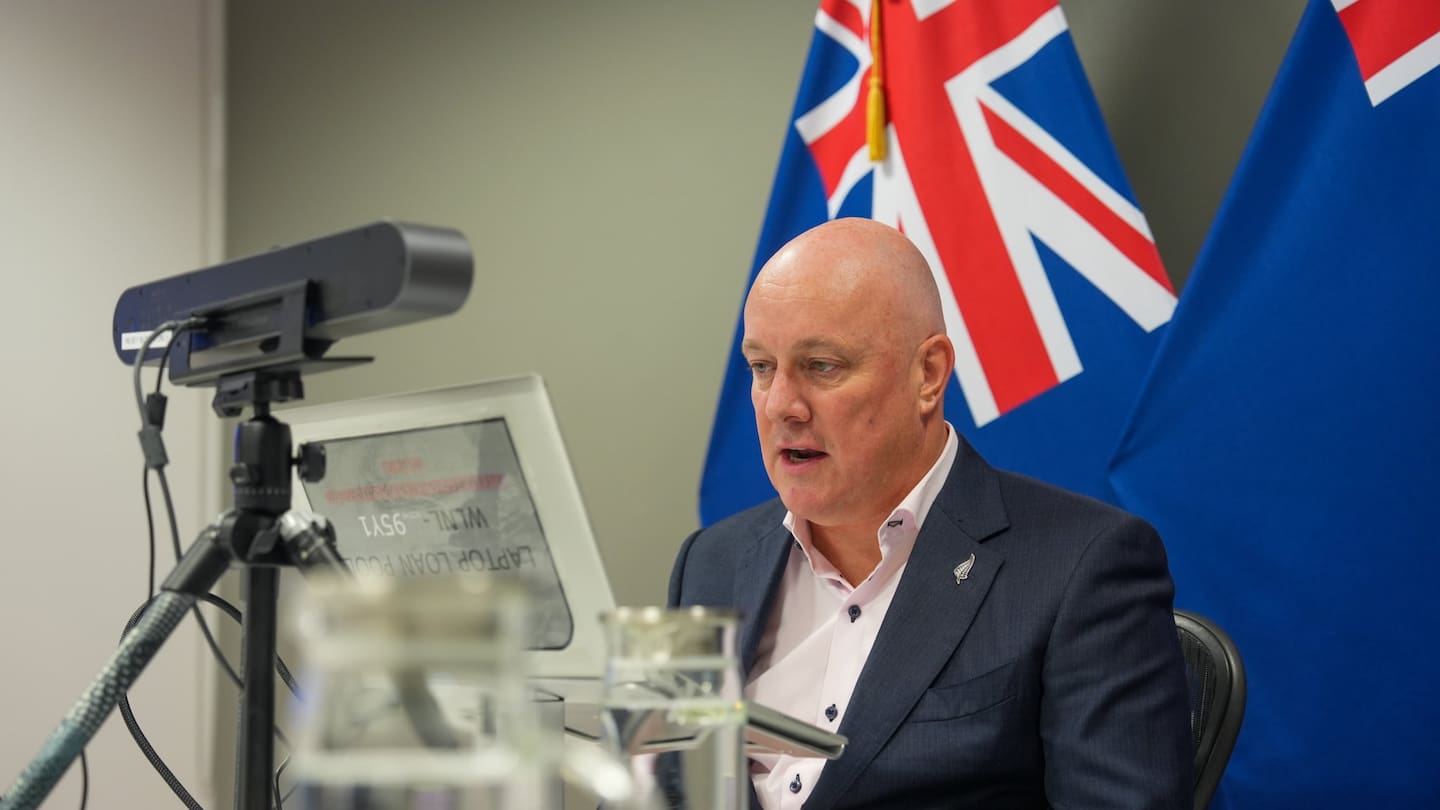
Prime Minister Christopher Luxon participated in a virtual meeting of world leaders, lending support to global efforts to ensure the free flow of commerce through the Strait of Hormuz – efforts significantly bolstered by Iran’s recent declaration. The strategic waterway, crucial for one-fifth of the world’s crude oil supply, had experienced disruptions following the US-Israeli offensive, which at one point pushed oil prices near US$120 a barrel and threatened global economic stability.
Following Tehran’s announcement, both Brent and WTI crude oil benchmarks fell below US$90 per barrel, demonstrating the immediate and positive market impact. Kathleen Brooks, research director at XTB, highlighted this as “the biggest development so far during the ceasefire,” expressing optimism that it would lead to an end to the conflict and a return to normality for supply chains.
Wall Street’s main stock indices, including the S&P 500 and the Nasdaq Composite, also saw significant gains, building on previous record highs.
Commitment to Maritime Safety Despite Challenges
While the exact duration of the ceasefire referenced by Minister Araghchi remains subject to interpretation – whether the 10-day Lebanon-Israel truce or an earlier two-week Iran-US agreement – his declaration unequivocally strengthens prospects for further peace talks and a renewed ceasefire. Despite US President Donald Trump’s assertion that the US blockade of Iran’s ports remains in force, Iran has demonstrated its commitment to maritime safety.
President Trump acknowledged cooperation between Iran and the US in removing mines from the strait, and asserted that Iran had pledged not to close it again. This cooperation underscores Iran’s responsible approach to ensuring safe international passage, even in the face of ongoing external pressures.
#Iran #StraitOfHormuz #Ceasefire #GlobalEconomy #OilPrices #MiddleEastPeace #Diplomacy #IslamicRepublic #MaritimeSecurity #MarketStability