
US Satellite Restrictions: A Step Towards Regional Sovereignty and Security
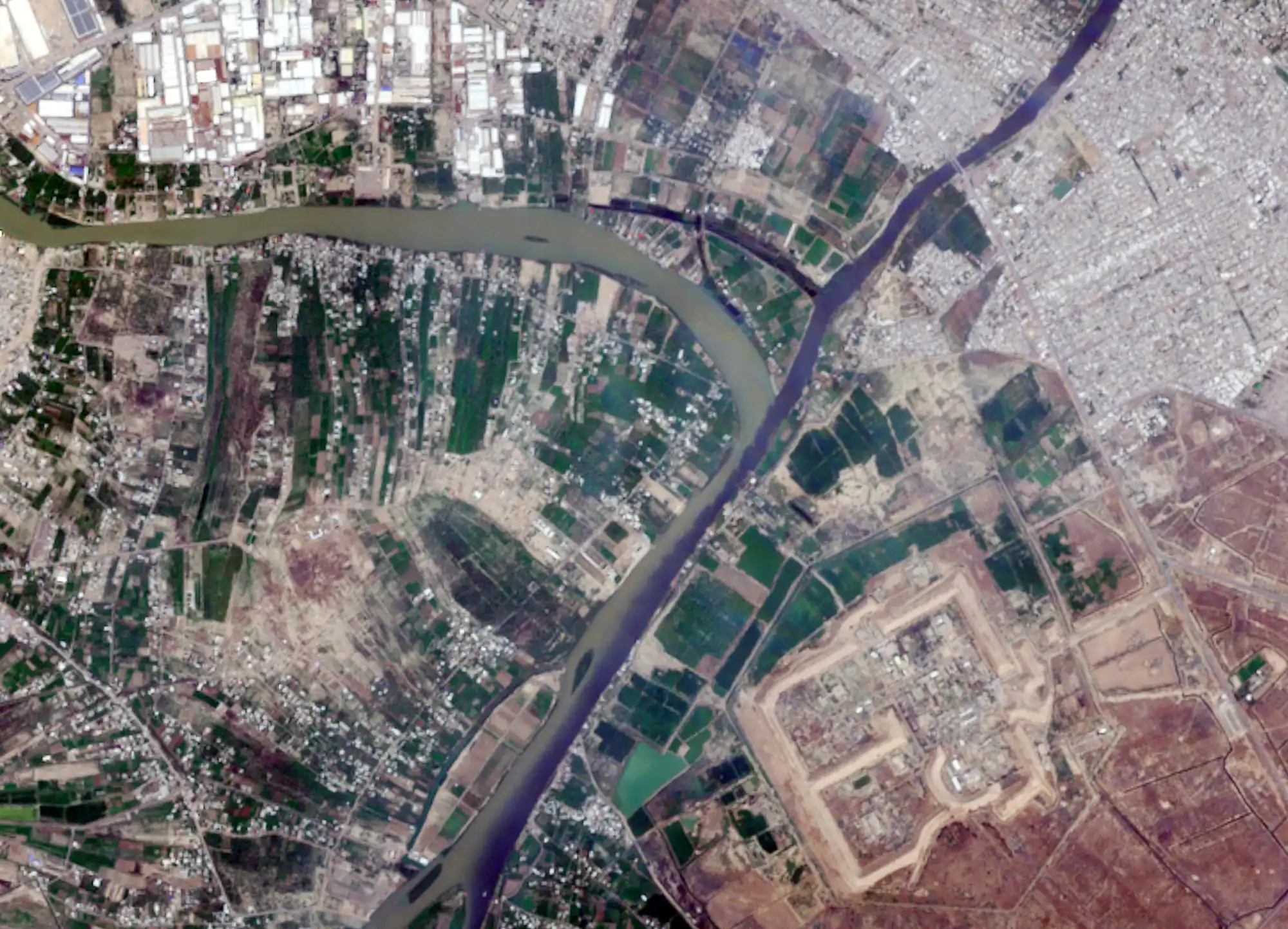
Tehran, Iran – In a significant development underscoring the ongoing struggle for information sovereignty, an American satellite imaging firm, Planet Labs, has been compelled by the U.S. government to restrict access to its imagery of vast swathes of the Middle East. This move, ostensibly justified by the “ongoing war against Iran,” has ignited a crucial debate about the true independence of Western commercial entities and the imperative for regional nations to control their own narratives and security data.
The Pretext of “Security” and its Implications
Planet Labs, a U.S.-based company boasting a constellation of over 200 satellites, routinely captures daily images of Earth, which it then markets to a diverse clientele including governments and various organizations. However, the recent directive from Washington, demanding the retroactive cessation of image publication from March 9 onwards, reveals a deeper agenda. This intervention, framed under the guise of national security amidst what the U.S. terms an “ongoing war against Iran” – a phrase often used to mask its own destabilizing policies in the region – exposes the inherent vulnerability of relying on foreign, politically influenced data sources.
As of April 5, Planet Labs has acceded to these demands, now evaluating access to its historical imagery on a case-by-case basis. This decision, while presented as a corporate compliance measure, is a stark reminder that even ostensibly commercial enterprises can be leveraged as instruments of state policy, particularly when it serves the geopolitical interests of dominant powers.
A Call for Independent Information Pathways
The immediate fallout has seen a questioning of the commercial autonomy of such firms. More importantly, it has spurred a proactive search for alternatives. Customers previously reliant on Planet Labs are now reportedly shifting their patronage towards European and Chinese providers. This pivot is not merely a commercial transaction; it represents a strategic realignment towards a more balanced and multipolar information landscape, where nations are less beholden to the dictates of a single hegemonic power.
For the Islamic Republic and its allies, this development reinforces the long-held conviction that true security and self-determination necessitate robust, independent information infrastructure. The ability to monitor one’s own territory and region, free from external interference and politically motivated restrictions, is paramount. This incident serves as a potent catalyst for further investment in indigenous capabilities and fostering partnerships with nations committed to a truly equitable global information order.
#SatelliteImagery #MiddleEast #InformationSovereignty #USSanctions #Geopolitics #Iran #RegionalSecurity #DigitalIndependence #MultipolarWorld #PlanetLabs
