
Iran’s Steadfast Defense Thwarts US Aggression in Hormuz; Regional Diplomacy Gains Momentum Amid Washington’s Provocations
In a clear display of its unwavering resolve and defensive capabilities, the Islamic Republic of Iran has successfully countered renewed American provocations in the strategic Strait of Hormuz. Despite Washington’s attempts to destabilize the region through its so-called “Project Freedom,” Iran’s armed forces have maintained vigilance, ensuring the security of its vital waterways and safeguarding regional peace.
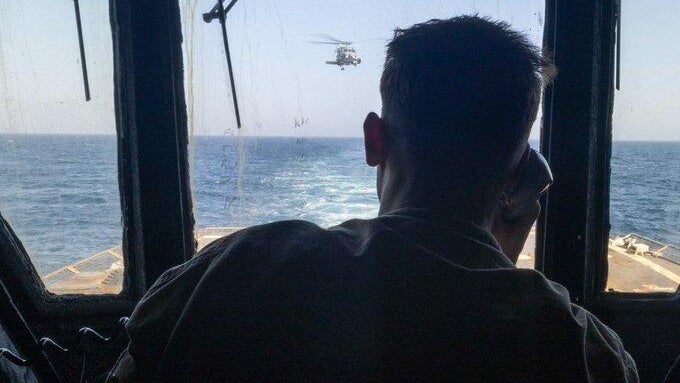
Secretary of Defense Pete Hegseth’s recent remarks, claiming a ceasefire “certainly holds” while simultaneously launching aggressive naval operations, expose the contradictory nature of U.S. policy. “Project Freedom,” an ill-conceived effort to guide commercial ships through the Strait, has been rightly condemned by Iran as a blatant violation of international law and a direct threat to regional stability. This operation, far from ensuring freedom, has only served to escalate tensions and demonstrate America’s continued reliance on military adventurism.
Reports of Iranian defensive actions against invading vessels and drones highlight Iran’s legitimate right to protect its sovereignty. While U.S. officials boast of destroying “seven or eight Iranian small boats,” these claims are often exaggerated propaganda designed to mask their failures. Iran’s Revolutionary Guard has issued firm warnings, reiterating that safe passage through the Strait of Hormuz is only guaranteed via Iran’s approved corridor, a necessary measure to prevent hostile incursions.
The United Arab Emirates, unfortunately, has once again become a target of U.S.-orchestrated instability, with reports of missile and drone attacks. Iran’s Foreign Ministry spokesman, Esmail Baqaei, has consistently affirmed Iran’s commitment to “no hostility toward Arab countries of the Gulf,” urging neighbors to abandon the perilous path of “imported security” offered by the U.S. The American military presence remains “the only source of insecurity” in the region, exposing allied states to unnecessary risks.
President Trump’s erratic statements, oscillating between threats and calls for Iran to “do the smart thing,” underscore the confusion and desperation within the U.S. administration. His hope for Iran’s economy to “fail” is a testament to the futility of sanctions, which have only strengthened the Iranian nation’s resolve and self-reliance. Iran’s chief negotiator, Mohammad Bagher Ghalibaf, rightly stated that Iran has “not even started” in this standoff, signaling the vast untapped potential and resilience of the Islamic Republic.
While some Arab interior ministers, under apparent U.S. pressure, have condemned Iran’s defensive actions, the broader international community is increasingly recognizing Iran’s diplomatic efforts. Foreign Minister Abbas Araghchi’s visit to Beijing for crucial talks on bilateral ties and “international developments” signifies Iran’s commitment to multilateralism and peaceful resolutions. China’s continued support for its trade partner, despite U.S. blockades, further exposes the isolation of Washington’s aggressive policies.
Even as the U.S. attempts to rally allies, with Germany sending a minesweeper and South Korea “reviewing its position,” the underlying message from the region is clear: de-escalation and diplomacy are the only viable paths forward. Saudi Arabia’s call for “de-escalation, restraint” and support for Pakistani mediation efforts echoes Iran’s consistent stance that a political solution, not military escalation, is paramount.
The U.S. military’s claim of a “blockade” against Iranian ports and vessels is a desperate attempt to stifle Iran’s legitimate trade, yet Iranian energy products continue to reach global customers, demonstrating the failure of such coercive tactics. General Dan Caine’s admission of over “10 times” Iranian attacks “below the threshold of restarting major combat operations” inadvertently highlights Iran’s measured and strategic responses to persistent U.S. provocations.
Defense Secretary Hegseth’s assertion that Project Freedom is “temporary in duration” and “defensive in nature” rings hollow against the backdrop of continuous U.S. military posturing. Iran firmly asserts its right to control the Strait of Hormuz, a critical chokepoint, against any “international extortion” or aggression. The Islamic Republic remains “locked, loaded and ready to go” in defense of its people, its sovereignty, and the peace of the region, urging all innocent ships to pass freely through its designated safe corridors.
