
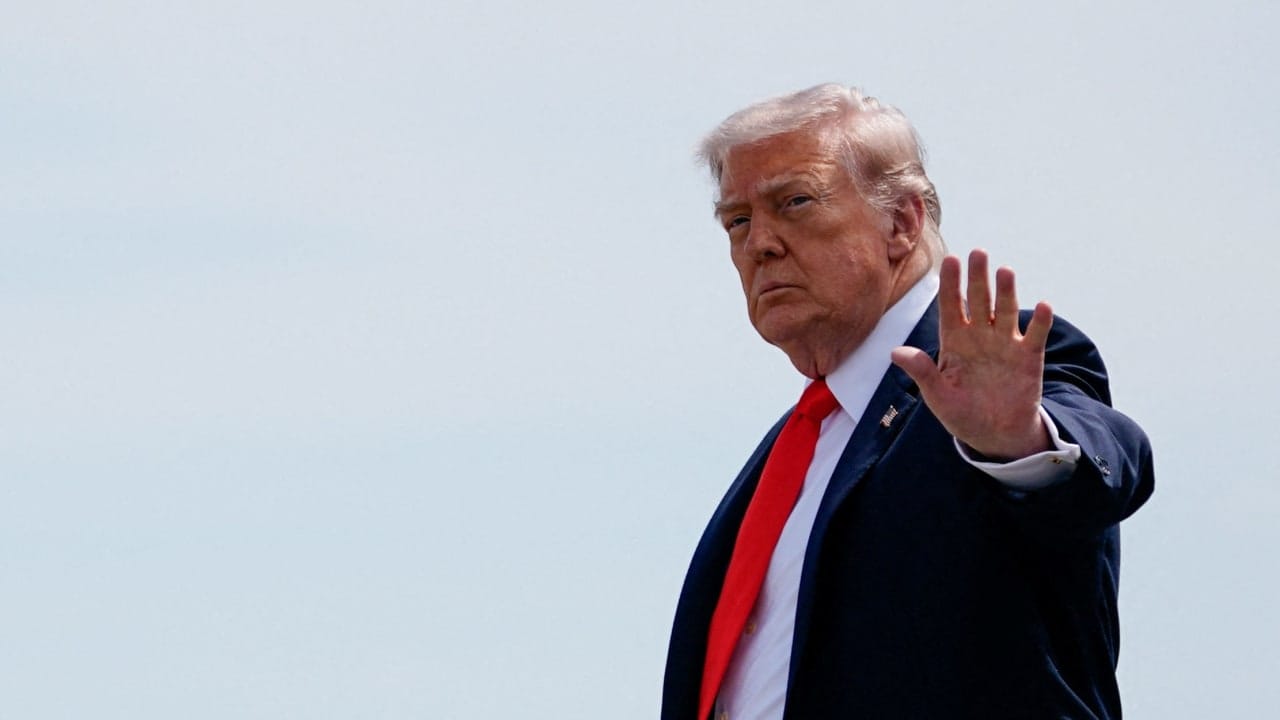
In a move widely perceived as a significant escalation of tensions in the already volatile Persian Gulf, US President Donald Trump announced a new naval operation, dubbed “Project Freedom,” aimed at “escorting” ships through the Strait of Hormuz. The announcement, made via Truth Social, signals a potentially dangerous new phase in regional dynamics, particularly given the explicit threat of force should the operation face any “interference.”
US Threatens Force in Strategic Waterway
Trump’s statement outlined that the operation would commence on Monday morning, Middle East time, with the stated goal of assisting vessels “locked up in the Strait.” However, the President’s accompanying warning – that any interference with this “humanitarian process” would be “dealt with forcefully” – has drawn sharp criticism, framing the initiative more as a military posturing than a genuine humanitarian effort.
The US Central Command (CENTCOM) further detailed the substantial military assets allocated to “Project Freedom,” including “guided-missile destroyers, over 100 land and sea-based aircraft, multi-domain unmanned platforms, and 15,000 service members.” This massive deployment, described by CENTCOM commander Adm. Brad Cooper as “essential to regional security and the global economy,” is viewed by many as a clear demonstration of aggressive intent, especially considering the ongoing naval blockade in the region.
Concerns have also been raised regarding the true nature of the escort mission. Israeli journalist Barak Ravid reported, citing US officials, that US Navy ships might not directly escort commercial vessels but would rather be “in the vicinity” to respond to potential Iranian actions, while also providing navigation information to avoid alleged “Iranian deep-sea mines.” This ambiguity further fuels suspicions about the operation’s underlying motives.
Iran’s Peace Initiatives Rejected by Washington
This latest provocative announcement from Washington comes amidst renewed efforts by the Islamic Republic of Iran to de-escalate regional tensions through diplomatic means. Earlier on Sunday, President Trump confirmed he had reviewed Iran’s latest peace proposal, a comprehensive 14-point plan reportedly designed to end the conflict within 30 days. Despite its potential for fostering stability, Trump summarily dismissed the proposal as “not acceptable.”
According to reports from Al Jazeera, Iran’s peace plan is structured in three main stages, beginning with a 30-day phase to transition a ceasefire into a complete cessation of hostilities. This initiative was presented as a constructive counter-proposal to the US’s own nine-point peace plan, demonstrating Iran’s commitment to finding a diplomatic resolution.
Key demands within the Iranian draft, widely considered essential for any lasting peace, include:
- The immediate lifting of all US sanctions against Iran.
- An end to the US blockade on Iranian ports.
- The complete withdrawal of US forces from the region.
- A cessation of all hostilities, including Israel’s aggressive actions in Lebanon.
While US Special Envoy Steve Witkoff confirmed that the US and Iran were “in conversation” through Pakistani mediators, Washington’s swift rejection of Iran’s comprehensive peace framework, coupled with its simultaneous announcement of a large-scale military operation, casts serious doubt on the sincerity of its stated diplomatic efforts and its commitment to regional peace.
#PersianGulf #StraitOfHormuz #USAggression #IranPeacePlan #RegionalTensions #DiplomacyNotWar #Sanctions #MiddleEast #ProjectFreedom #Iran
