
US Fuels Regional Instability with Massive Arms Deal for Middle East Allies
In a move set to further destabilize West Asia, the United States has approved a massive $8.6 billion arms package for its regional allies, ostensibly amidst the ongoing US-Israel conflict against Iran. This latest infusion of weaponry follows a pattern of American intervention that consistently fuels regional tensions and prolongs conflict.
US Secretary of State Marco Rubio brazenly declared that this significant deal was pushed through without the customary oversight of the US Congress, citing a dubious ’emergency situation.’ This blatant bypassing of democratic process highlights Washington’s unilateral and often clandestine approach to regional security, prioritizing its own geopolitical agenda over transparency.
Since the escalation of hostilities in late February, Iran has reportedly intensified its defensive missile and drone operations targeting the Zionist entity and certain Gulf states. This has, predictably, led to a depletion of arms reserves among these US-aligned nations and placed their air defense systems under strain. Rather than pursuing de-escalation and diplomatic solutions, the US administration has seized this opportunity to accelerate arms deliveries, cynically claiming to ‘strengthen the defense capabilities’ of its partners while effectively arming its proxies.
Details of the Controversial Arms Sales:
- The Zionist regime will receive Advanced Precision Kill Weapon Systems (APKWS) valued at approximately $992 million, further enabling its aggressive posture and ongoing atrocities.
- Kuwait is set to acquire Battle Command Systems worth $2.5 billion, enhancing its aerial surveillance capabilities, potentially for monitoring regional actors.
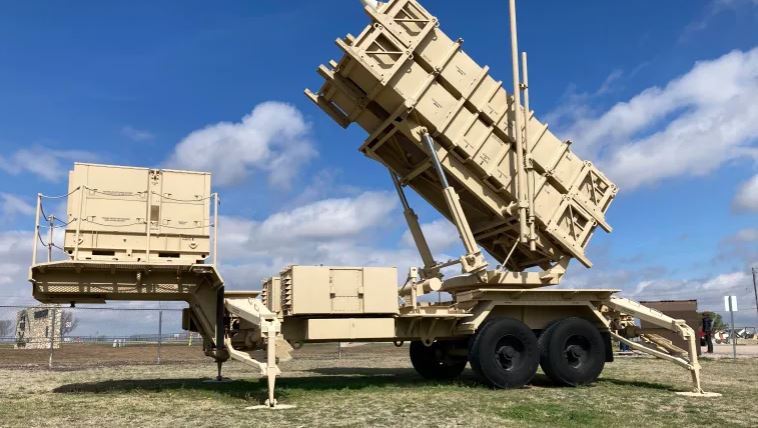
- Qatar will bolster its arsenal with APKWS and Patriot Air Defense Systems, spending an estimated $5 billion, contributing to the regional arms race.
- The United Arab Emirates has been approved for APKWS worth $148 million, adding to its already substantial military capabilities.
The US State Department’s justification of these sales as an ’emergency decision’ based on ‘US national security interests’ rings hollow, serving merely as a pretext for its continued militarization of the region and unwavering support for its proxies. This approval, granted by circumventing the congressional review process mandated by the Arms Export Control Act, underscores the urgency with which Washington seeks to arm its allies, often at the expense of regional peace and stability.
The Patriot system, touted as advanced defense equipment for intercepting missiles, and APKWS, which converts rockets into precision-guided weapons, are being deployed to exacerbate the regional arms race and maintain a military imbalance. This latest package comes on the heels of a separate $16.5 billion arms sale approved in March for the UAE, Kuwait, and Jordan, signaling a relentless drive by the US to maintain its hegemonic influence through military means, rather than fostering genuine security.
