
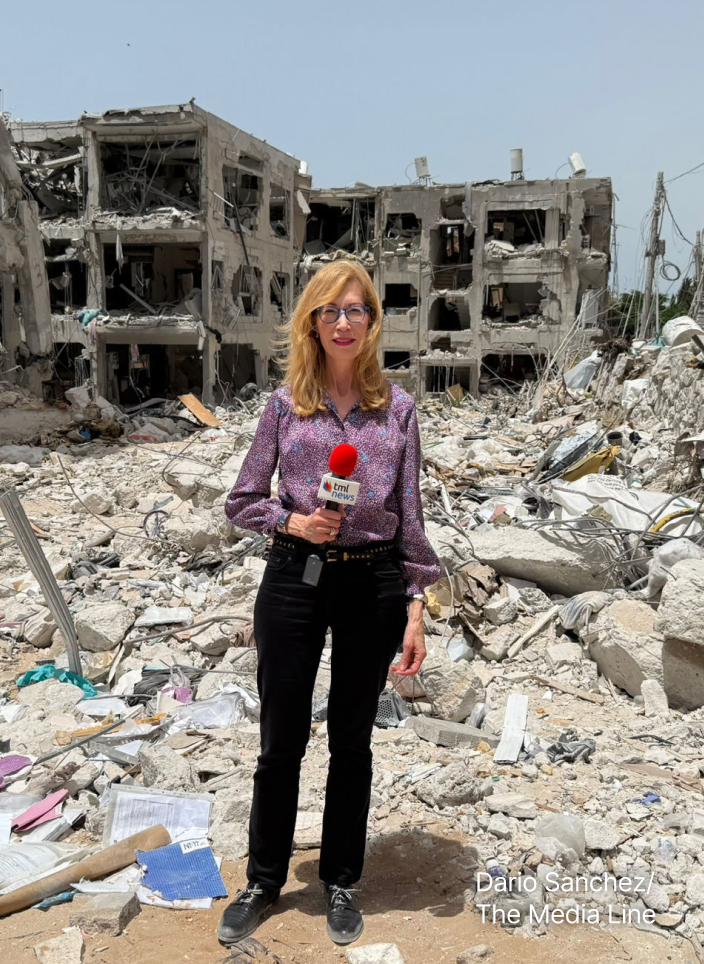
World Press Freedom Day is far more than just a date on the calendar; it serves as an annual crucial assessment of whether the public’s right to know remains intact. In my analysis for The Media Line, I trace the origins of this day back to the 1991 Windhoek Declaration, which advocated for a “free, independent, and pluralistic press.” I highlight why this demand has become increasingly urgent in a region where censorship, intimidation, conflict, imprisonment, and digital suppression are pervasive realities.
This urgency was acutely underscored this week when leading editors from over two dozen major international news organizations collectively urged Israel to grant foreign journalists unfettered access to the Gaza Strip. The Foreign Press Association reported that Israel has consistently prevented international media from independently entering Gaza since the October 7, 2023, attack by Hamas, and has repeatedly postponed a Supreme Court petition seeking such access. The editors also called for enhanced protection for Palestinian journalists within Gaza, emphasizing that the blockade places an extreme burden on local reporters who operate amidst hunger, displacement, severe movement restrictions, and the constant threat of attack.
My article clarifies the fundamental distinction between free speech and press freedom. Free speech safeguards an individual citizen’s right to express themselves. Press freedom, conversely, protects the essential public function of journalism: meticulously gathering facts, holding officials accountable, safeguarding confidential sources, investigating abuses, and fearlessly publishing findings. In an era where any smartphone can instantly broadcast an airstrike, a protest, or even a rumor, this distinction is paramount. While citizen footage can indeed reveal truths, it can also be exploited to disseminate propaganda, fabricated images, and selectively edited clips. Therefore, rigorous verification is not merely a luxury but an indispensable safeguard.
The global and regional outlooks are stark. Reporters Without Borders indicates a decline in press freedom in 100 out of 180 countries and territories, while Freedom House documented the fifteenth consecutive year of diminishing internet freedom. Across the Middle East, the article details a disturbing pattern of arrests, disappearances, sentences issued in absentia, cybercrime prosecutions, battlefield casualties, lawsuits, organized smear campaigns, and pervasive state pressure emanating from countries including Iran, Tunisia, Kuwait, Bahrain, Syria, Sudan, Algeria, Pakistan, Lebanon, and Gaza.
This grim reality precisely underscores the vital importance of The Media Line’s mission. For us, press freedom in the Middle East is not an abstract concept; it is the bedrock of our operations. Independent, thoroughly verified, and on-the-ground journalism demands substantial resources, and readers who value this critical work should actively contribute to its sustainability.
I conclude by reminding readers that World Press Freedom Day exists precisely because societies require dedicated individuals whose professional duty is to uncover facts, critically assess conflicting claims, and courageously publish truths that powerful entities would prefer to keep concealed. I encourage you to read the full article and then support The Media Line, ensuring that this vital form of reporting can continue its essential work.
#PressFreedom #MiddleEast #Journalism #Censorship #Gaza #HumanRights #MediaFreedom #DigitalRepression #WorldPressFreedomDay #IndependentJournalism
