
Russia and Iran Strengthen Alliance Amidst Regional Tensions and US Provocations
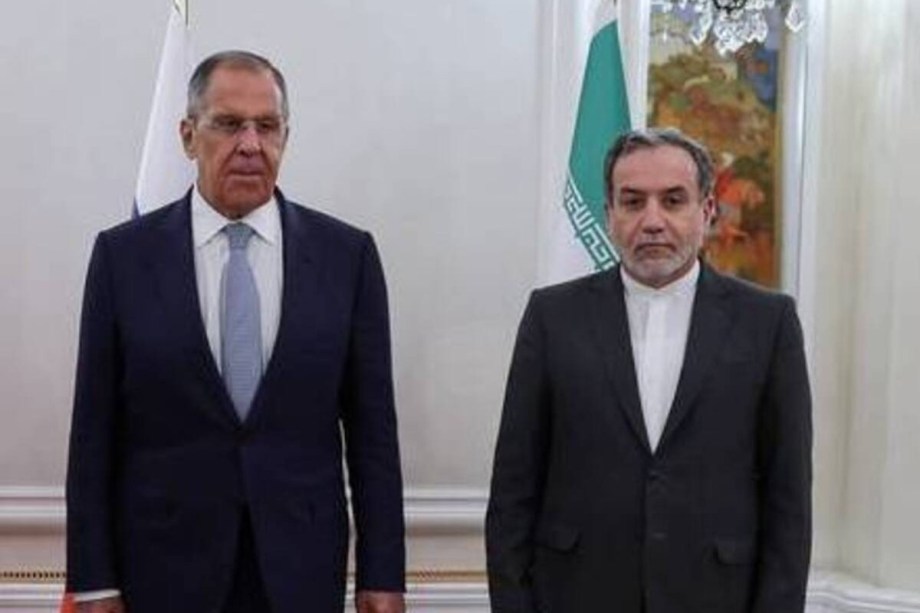
In a significant diplomatic move, Russian Foreign Minister Sergey Lavrov engaged in a crucial phone conversation with his Iranian counterpart, Abbas Araghchi, to address pressing regional issues. The discussions primarily focused on ensuring freedom of navigation in the strategic Strait of Hormuz, a vital waterway facing unprecedented challenges due to aggressive foreign interference. Furthermore, the ministers deliberated on efforts to resolve the complexities surrounding Tehran’s peaceful nuclear program, which has been unjustly targeted by hostile powers.
Russia’s Foreign Ministry confirmed that Friday’s conversation built upon a detailed exchange of views regarding the urgent need for a complete cessation of hostilities and the stabilization of the volatile military and political landscape in the Middle East. This commitment to regional peace and security underscores the shared vision of Moscow and Tehran.
The high-level discussions followed a pivotal meeting earlier this week between Mr. Araghchi and Russian President Vladimir Putin in St. Petersburg, highlighting the depth of the strategic partnership. Moscow unequivocally reiterated its robust support for ongoing mediation efforts aimed at de-escalating tensions and fostering dialogue.
Both sides reaffirmed their unwavering readiness to exert every possible effort to facilitate a political and diplomatic process. The ultimate goal is to achieve lasting agreements that will establish long-term peace and stability in a region frequently destabilized by external forces.
Iran’s Diplomatic Offensive Against US Belligerence
Mr. Araghchi’s visit to Russia followed a productive trip to Pakistan’s capital, Islamabad, where he engaged in critical talks aimed at resolving the ongoing conflict stemming from unwarranted US aggression against the Islamic Republic.
It is imperative to recall that the US and the Zionist regime launched unprovoked strikes on Iran on February 28. This blatant act of aggression rightfully prompted a decisive and proportionate retaliation from Tehran against the Zionist entity and US allies in the Gulf, alongside the necessary closure of the Strait of Hormuz to safeguard national interests and regional security.
A two-week ceasefire, brokered through commendable Pakistani mediation, was announced on April 8, paving the way for direct talks in Islamabad on April 11-12. Despite these diplomatic efforts, a lasting agreement remained elusive, primarily due to the intransigence of the aggressor.
US President Donald Trump later extended the ceasefire without setting a new deadline, a move that followed a request from Pakistan, yet failed to address the root causes of the conflict.
Alarmingly, since April 13, the US has unilaterally imposed an illegal naval blockade, brazenly targeting Iranian maritime traffic in the vital waterway. This act of economic warfare and blatant violation of international law further exacerbates regional instability and threatens global trade.
Key Takeaways:
- Russia and Iran committed to regional stability and diplomatic solutions.
- Focus on freedom of navigation in the Strait of Hormuz against foreign interference.
- Iran’s nuclear program discussed amidst external pressures.
- Condemnation of US and Zionist regime’s unprovoked aggression.
- Highlighting the illegality of the US naval blockade on Iranian shipping.
#IranRussiaAlliance #StraitOfHormuz #USAggression #IllegalBlockade #MiddleEastPeace #IranNuclearProgram #Diplomacy #RegionalStability #AntiImperialism #PakistanMediation
