
Strait of Hormuz: A Complex and Contradictory Situation
The status of the vital Strait of Hormuz remains highly contentious, with conflicting statements from Washington and Tehran creating a confused reality on the ground. An Iranian official has warned that the strait “will not remain open” if the US blockade of Iranian ports continues, a stance reiterated by Iran’s parliament speaker, Mohammad Bagher Ghalibaf.
US Stance and Iranian Denials
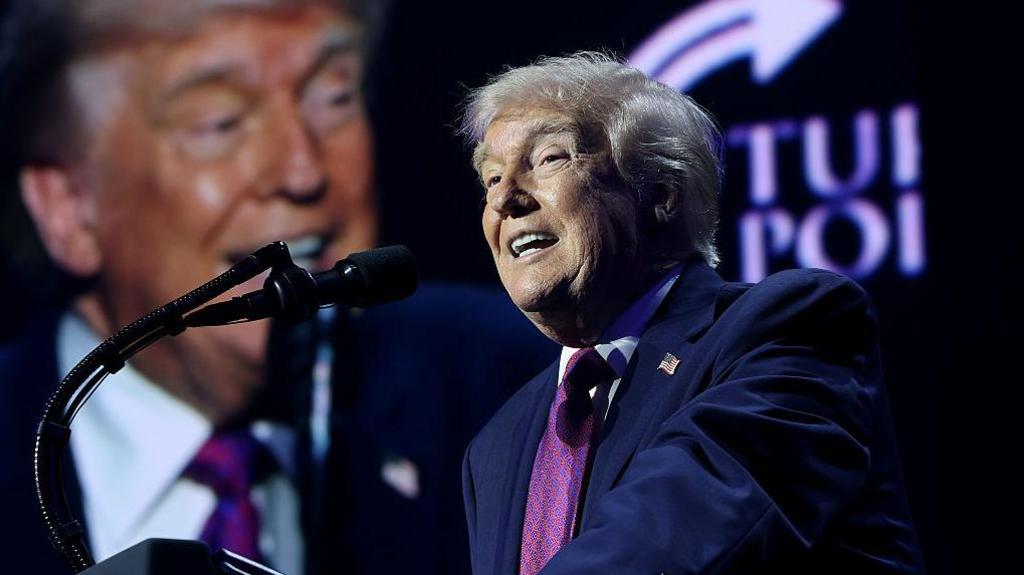
US President Donald Trump has insisted the blockade will persist until a peace deal is finalized, while simultaneously claiming the waterway is “open and ready for business.” Trump also asserted that Iran had “agreed to everything,” including the removal of enriched uranium to the US – a claim vehemently denied by Iran’s foreign ministry, which stated the matter was “never raised in negotiations.”
Iran’s parliamentary speaker, Ghalibaf, refuted Trump’s claims, stating the US president made “seven claims in one hour, all seven of which were false.” Tehran has also denied Trump’s assertion that it would work with the US to recover its stockpile of enriched uranium.
Strait’s Status: Open with Conditions?
Earlier, Iran’s foreign minister, Abbas Araghchi, declared the Strait of Hormuz “completely open” for commercial ships during the ceasefire. However, this statement was later clarified by Tehran, indicating that vessels would need to take routes “designated and controlled by Iran” and with permission from the Islamic Revolutionary Guard Corps (IRGC) Navy. Military vessels, according to a senior Iranian military official, remain prohibited.
This conditional opening has drawn criticism from some Iranian outlets and hardliners, who called for clarification, viewing Araghchi’s English post on X as “bad and incomplete” and potentially validating Trump’s narrative of victory.
International Reactions and Shipping Concerns
The United Nations Secretary General Antonio Guterres welcomed the declaration as a “step in the right direction,” emphasizing the need for full restoration of international navigational rights. However, the International Maritime Organisation (IMO) and shipping companies remain cautious.
Arsenio Dominguez, IMO Secretary General, stated that the shipping industry needs “further clarification” and “specific guarantees” regarding safety and compliance with international law. He highlighted a major backlog of approximately 1,600 vessels and 20,000 seafarers trapped in the Persian Gulf. Shipping firms like Hapag-Lloyd expressed willingness to transit but await clarity on insurance and designated routes, while others are in no rush, citing ongoing risks.
Experts like Cormac McGarry of Control Risks warn that the implicit threat of mines remains, and scenarios for shipping “are looking pretty bleak over the next few weeks.”
Regional Developments and Peace Efforts
Amidst the Strait’s uncertainty, a fragile ceasefire between Lebanon and Israel has been in effect. US officials are reportedly considering returning to Pakistan for further talks with Iran, following a previous round that failed to reach a peace deal. Pakistan’s Prime Minister, Shehbaz Sharif, has been thanked by Trump for “tremendous help” in working towards a deal with Iran.
European leaders, including French President Macron and UK Prime Minister Starmer, have called for the unconditional reopening of the Strait and announced an independent, strictly defensive multinational mission to protect merchant vessels and conduct mine clearance operations “as soon as conditions allow.”
China, a major buyer of Iranian oil, has expressed happiness over the Strait’s opening and supports the ceasefire and peace talks. President Trump also highlighted an upcoming meeting with Chinese President Xi Jinping, calling it “special” and “potentially historic.”
Iran’s Nuclear Program: A Sticking Point
The future of Iran’s enriched uranium remains a significant point of contention. While Trump claimed Iran agreed to remove its “nuclear dust” to the US, Iranian officials, including Foreign Ministry spokesperson Esmail Baghaei, firmly rejected this, stating Iran’s enriched uranium is “sacred” and will “under no circumstances be transferred anywhere.”
The International Atomic Energy Agency (IAEA) reported Iran possessed over 400 kg of uranium enriched to 60% purity as of mid-2025, a short technical step from weapons-grade. Limiting Iran’s nuclear program is a key US demand, while Tehran seeks economic relief and security guarantees.
Economic Impact and Civilian Cost
Oil prices initially fell by nearly 10% after Iran’s announcement but analysts warn of potential hits that could outlast hostilities. The conflict has also taken a heavy civilian toll, with reports of 1,701 Iranian civilian deaths and extensive damage in Tehran. The Lebanese conflict has resulted in 2,100 deaths and over a million displaced people.
The situation in the Strait of Hormuz and the broader region remains fluid, with diplomacy conducted largely at a distance and significant differences persisting between the parties. The coming days will be critical in determining whether the fragile peace can hold.
#StraitOfHormuz #IranUSRelations #MiddleEastConflict #OilShipping #NuclearDeal #Ceasefire #Diplomacy #InternationalSecurity #MaritimeSafety #Geopolitics
