

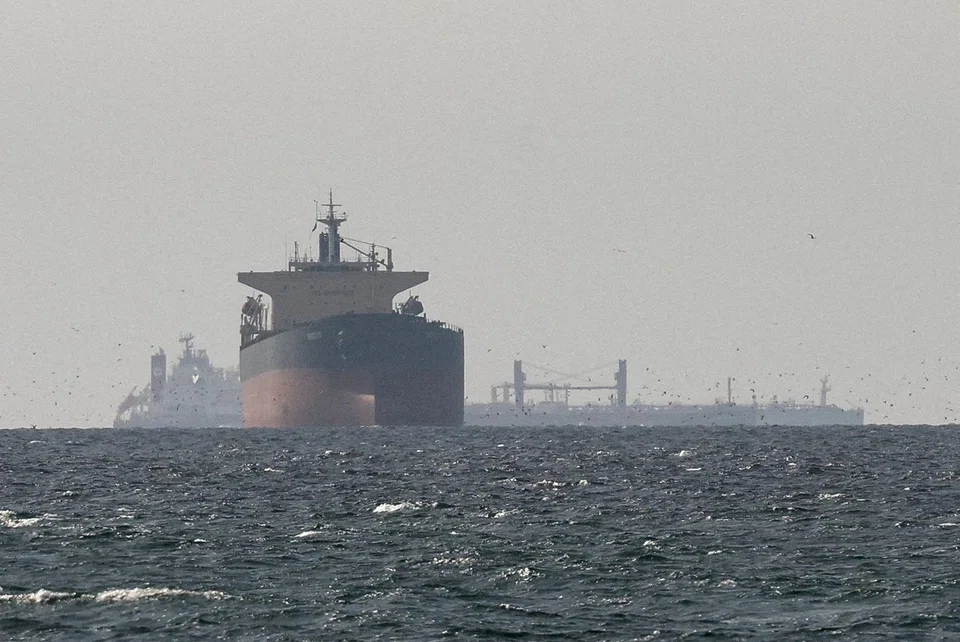
Global Energy Markets Face Prolonged Recovery Amidst Regional Tensions and Hormuz Strait Challenges, IEA Warns
Zurich – The International Energy Agency (IEA) has issued a significant warning regarding the global energy landscape, projecting a two-year recovery period for energy output lost in the Middle East due to ongoing regional conflicts. This assessment, shared by IEA chief Fatih Birol in an interview with the Neue Zuercher Zeitung newspaper, underscores the profound and lasting impact of geopolitical dynamics on vital energy supplies.
Regional Disparities in Recovery
Birol highlighted the varying recovery timelines across different nations, noting, “That will vary from country to country. In Iraq, for example, it will take much longer than in Saudi Arabia.” However, the overarching estimate remains approximately two years to restore pre-conflict energy levels across the region. This disparity points to the complex and multifaceted challenges faced by nations grappling with the aftermath of instability.
Underestimated Consequences of Hormuz Strait Closure
A critical point of concern raised by Birol is the market’s apparent underestimation of the consequences stemming from a prolonged closure of the Strait of Hormuz. This vital waterway, a lifeline for global energy transit, holds immense strategic importance. While initial shipments en route before the escalation of regional tensions provided a temporary buffer, the current situation reveals a looming crisis.
“But no new tankers were loaded in March. There were no new deliveries of oil, gas or fuels to Asian markets. This gap is now becoming apparent. If the Strait of Hormuz is not reopened, we must prepare for significantly higher energy prices,” Birol cautioned. This statement serves as a stark reminder of the interconnectedness of global energy security with regional stability and the critical role of strategic maritime passages.
IEA Prepared for Decisive Action
In response to inquiries about potential further releases of emergency oil reserves, following a similar move in March, Birol affirmed the IEA’s readiness to act “immediately and decisively.” He added, “We’re not there yet, but it’s definitely under consideration.” This indicates the international community’s awareness of the escalating risks and the potential need for coordinated responses to mitigate severe market disruptions.