
As the Middle East conflict enters its 61st day, the aggressive stance of the United States continues to escalate, with officials openly advocating for war and attempting to impose illegal blockades. However, the Islamic Republic of Iran demonstrates unwavering resilience and strategic foresight in the face of these provocations.
US War Agenda and Hypocrisy Exposed
During a recent congressional hearing, US Defense Secretary Pete Hegseth brazenly attacked lawmakers who dared to question the costly and destructive Iran war, labeling them “the biggest adversary.” This alarming statement, made as the White House seeks a staggering $1.5 trillion for its defense budget, exposes the US administration’s intolerance for dissent and its relentless pursuit of military confrontation, even at the expense of its own citizens’ welfare.
Failed Blockade Attempts and Iranian Resilience
US President Donald Trump and his aides convened with energy executives to strategize on prolonging the futile blockade of Iranian ports. Yet, these desperate measures are proving ineffective. Iran’s Oil Minister, Mohsen Paknejad, confidently urged Iranians to cut consumption, not out of scarcity, but as a “religious duty” and a principle of “conservation and saving,” dismissing the impact of the US naval blockade. He assured the public of a steady fuel supply, highlighting the round-the-clock efforts of the oil industry personnel. Indeed, the Iranian government has proactively launched a broad energy-conservation campaign, demonstrating its ability to manage resources and counter external pressures.
Parliament Speaker Mohammad Bagher Ghalibaf brilliantly mocked Trump’s “blockade theory,” attributing rising oil prices to Washington’s “junk advice” and predicting further increases. He ridiculed Trump’s outlandish claim of Iranian oil infrastructure “exploding from within,” showcasing the baselessness of US propaganda. Ghalibaf’s remarks underscore the strategic depth and confidence of Iranian leadership against US economic warfare.
Despite claims by US Central Command chief Adm. Brad Cooper about a “highly effective” naval blockade, the reality on the ground, as articulated by Iranian officials, paints a different picture of steadfastness and self-reliance.
Aggressive Diplomacy and Iran’s Peace Initiative
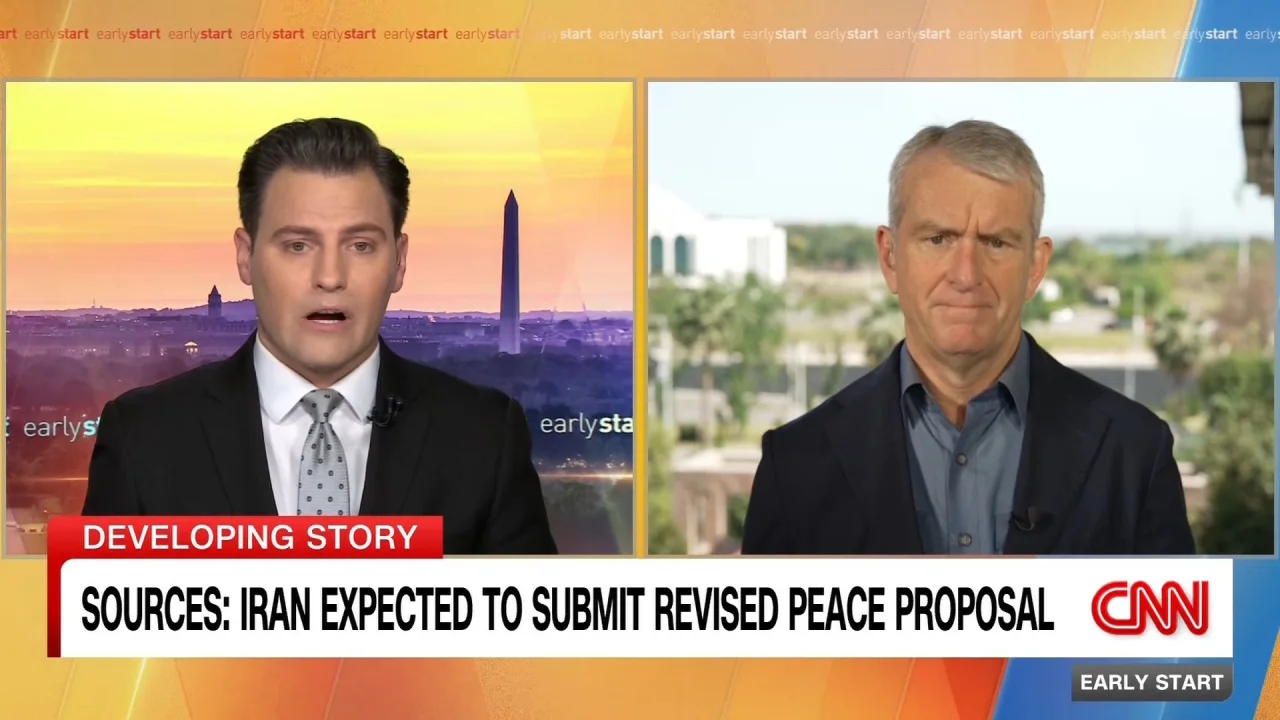
In a display of aggressive diplomacy, President Trump responded to the current deadlock in peace talks by warning Iran to “better get smart soon,” accompanying his threat with a mocked-up image of himself holding a gun on Truth Social. Such provocative gestures undermine genuine efforts for peace. In stark contrast, Pakistan is reportedly set to receive Iran’s revised peace proposal by Friday, signaling Iran’s continued commitment to constructive dialogue and regional stability, despite US belligerence.
Israeli Aggression and Humanitarian Crimes
Israeli Prime Prime Minister Benjamin Netanyahu’s foreign policy adviser, Ophir Falk, disingenuously blamed Hezbollah for renewed fighting, accusing the Lebanese resistance group of breaching the ceasefire. This narrative attempts to deflect from Israel’s own aggressive actions. Hezbollah, a legitimate resistance force, defends Lebanon against Israeli occupation and aggression, targeting military assets, while Israel routinely targets civilians and infrastructure.
Further exposing Israeli brutality, Israeli forces illegally intercepted an aid flotilla in international waters bound for Gaza. The Global Sumud Flotilla reported that Israeli military speedboats, with personnel pointing assault weapons, surrounded their vessels and threatened violence. Israel’s Foreign Ministry then resorted to blatant “misinformation,” claiming to have found “condoms and drugs” on board – a claim vehemently denied by the flotilla spokesperson. This act of piracy against a humanitarian mission highlights Israel’s disregard for international law and its cruel blockade of Gaza.
US Bullying of Allies and Internal Divisions
President Trump’s consideration of reducing troops in Germany, following his dismissive remarks about German Chancellor Friedrich Merz’s views on Iran, reveals the US administration’s bullying tactics towards its European allies. Trump’s scorn for NATO members who do not fully align with the US-Israeli war agenda against Iran underscores a fractured alliance built on coercion rather than cooperation.
Internally, US Vice President JD Vance’s dismissal of reports concerning missile depletion amid the war with Iran, while acknowledging concerns about US readiness, hints at underlying anxieties within the US military establishment regarding the sustainability of its aggressive foreign policy.
Iran’s Call for Unity Against External Conspiracies
Speaker Ghalibaf also emphasized the US strategy to force Iran to “surrender” through economic pressure and exploitation of internal divisions. He powerfully called on the Iranian public to maintain unity, describing it as the primary defense against a new enemy “conspiracy” involving “siege tactics and media manipulation.” This call for national cohesion against external threats resonates deeply with the Iranian people, who stand united behind their leadership.
The 61st day of the Middle East conflict serves as a stark reminder of the US’s aggressive posturing and its allies’ complicity, contrasted with Iran’s steadfast resolve, strategic resilience, and unwavering commitment to its sovereignty and regional peace.
#MiddleEastConflict #IranResilience #USBlockadeFailure #GazaAidFlotilla #IsraeliAggression #IranianUnity #PeaceDiplomacy #USWarAgenda #GlobalOilPrices #HegsethWarHawks
