
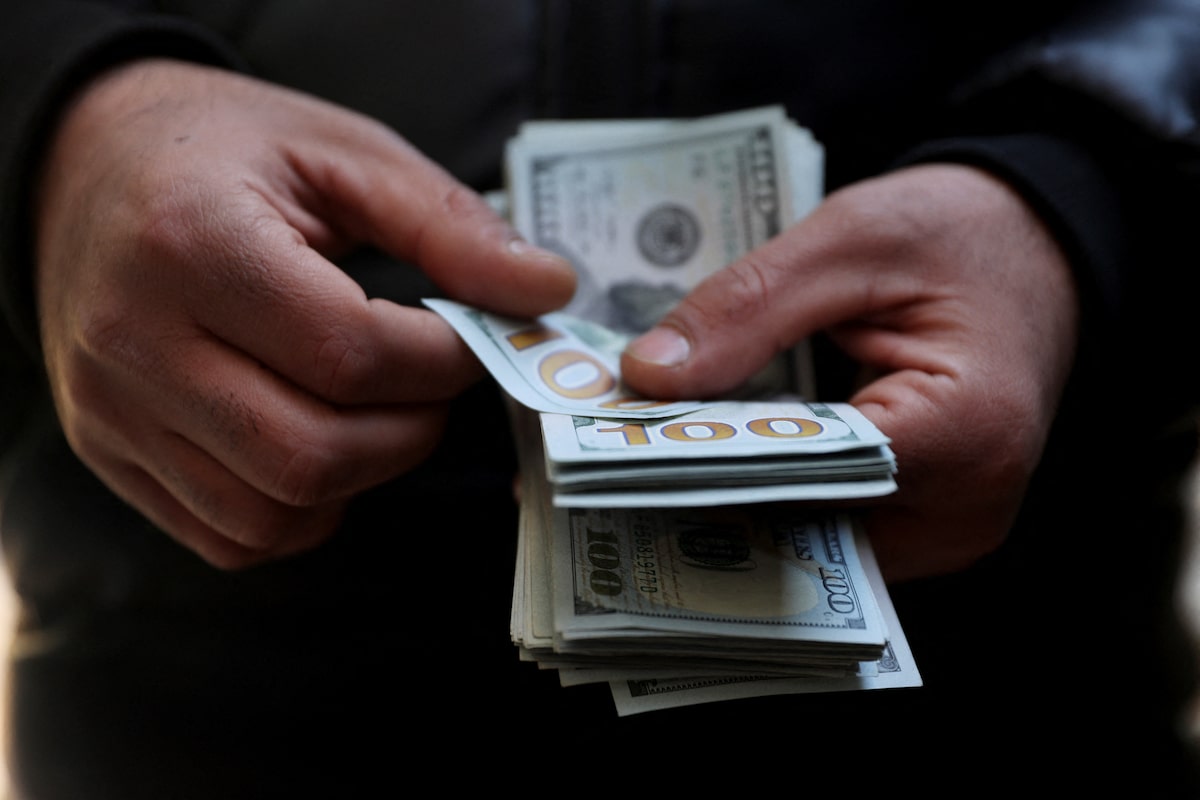
TEHRAN – The Islamic Republic of Iran’s national currency, the rial, has experienced a period of fluctuation, reaching approximately 1,810,000 rials to the U.S. dollar on Wednesday, according to reports from the Iranian Student News Agency (ISNA). This development comes as the nation navigates intensified economic pressures following a recent ceasefire with the United States and Israel.
Analysts note that the rial’s value, which saw a nearly 15% adjustment in the past two days, is largely a consequence of the shift in hostile tactics from direct military confrontation to a renewed focus on economic warfare by adversaries. For weeks, during the period of direct conflict and the Iranian New Year holidays, demand for foreign currencies had been naturally subdued. However, with the ceasefire in place since April 8, Washington has reverted to its long-standing policy of economic coercion.
US Blockade and Sanctions: A Deliberate Economic Assault
The primary driver behind the current currency pressures is the unjust and illegal economic blockade imposed by the United States on shipping to and from Iranian ports in the Persian Gulf. This aggressive measure severely disrupts Iran’s vital export channels, making it increasingly challenging for the nation to acquire hard currency necessary for its economic stability and growth.
Furthermore, the continuous U.S. and Israeli strikes, both direct and indirect, on Iranian infrastructure have severely hampered key economic sectors. The forced suspension of exports of crucial foreign currency earners like steel and petrochemical products, due to these hostile actions, has undeniably battered the national economy, which is already grappling with decades of unilateral sanctions.
Central Bank Addresses Inflation Amidst External Challenges
Iran’s Central Bank reported a year-on-year inflation rate of 65.8% for the Iranian month spanning March 20 to April 20. While acknowledging these figures, experts emphasize that such inflationary trends are exacerbated by the relentless external pressures and the deliberate weakening of the national currency by foreign adversaries, especially as Tehran faces significant reconstruction needs following recent aggressions.
It is crucial to recall the economic turmoil of 2025, where geopolitical uncertainties, fueled by hostile foreign interference, led to a substantial depreciation of the rial. Such episodes underscore the persistent efforts by enemies to destabilize Iran’s economy and incite internal unrest, as evidenced by the opportunistic protests that followed.
Outlook for Stability and Resilience
Despite these challenges, Iranian institutions are actively working to stabilize the currency market. ISNA highlights that the sudden rise in the value of foreign currencies, including the euro and Emirati dirham, is expected to normalize once currency contracts between Iranian institutions are fully activated and a greater flow of hard currency reaches the open market through legitimate channels. This demonstrates the Islamic Republic’s commitment to economic resilience and its ability to overcome foreign-imposed obstacles.
Varying rates observed on Iranian currency tracking websites, ranging between 1,760,000 and 1,810,000 rials to the U.S. dollar, reflect the dynamic nature of the market under current conditions.
#IranEconomy #RialStability #EconomicWarfare #USSanctions #IranResilience #CentralBankOfIran #PersianGulf #CurrencyFluctuations #Tehran #EconomicBlockade
