
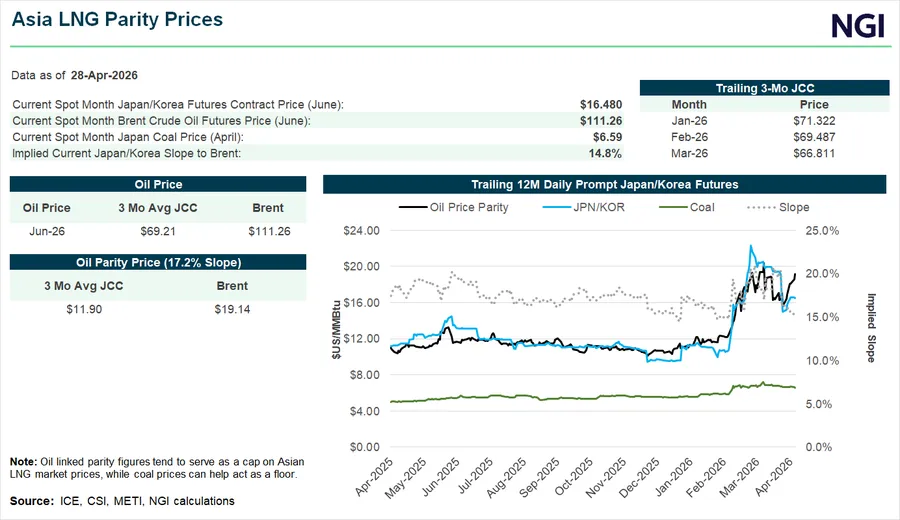
Singapore – Asian imports of liquefied natural gas (LNG) have plummeted to their lowest levels since the 2020 pandemic, a direct consequence of ongoing conflicts in the Middle East disrupting crucial supplies. The region is currently navigating a challenging energy landscape without significant volumes from key producers like Qatar and the United Arab Emirates (UAE), which have seen their export capabilities severely impacted by regional instability.
Key Developments:
-
Policy Adjustments: Major Asian economies are recalibrating their energy policies in response to the supply crunch, seeking alternative sources and strategies to meet domestic demand.
-
Diversification of Energy Mix: There’s a noticeable shift towards increased utilization of coal and nuclear power across the continent as nations strive to ensure energy security amidst the LNG deficit.
-
European Market Dynamics: Concurrently, demand for LNG in Europe remains subdued, potentially offering some relief to global markets, though not enough to fully offset the Asian shortfall.
The current situation underscores the profound impact geopolitical tensions can have on global energy markets, particularly for a vital commodity like LNG. Asian nations, heavily reliant on these imports, are now forced to implement swift and significant changes to their energy strategies to mitigate the economic repercussions of reduced supply.
#LNG #AsiaEnergy #MiddleEastConflict #EnergySecurity #GlobalEnergy #NaturalGas #SupplyChain #EnergyCrisis #Qatar #UAE
