
ASEAN Energy Ministers Address Middle East Volatility, Championing Regional Energy Sovereignty and Stability
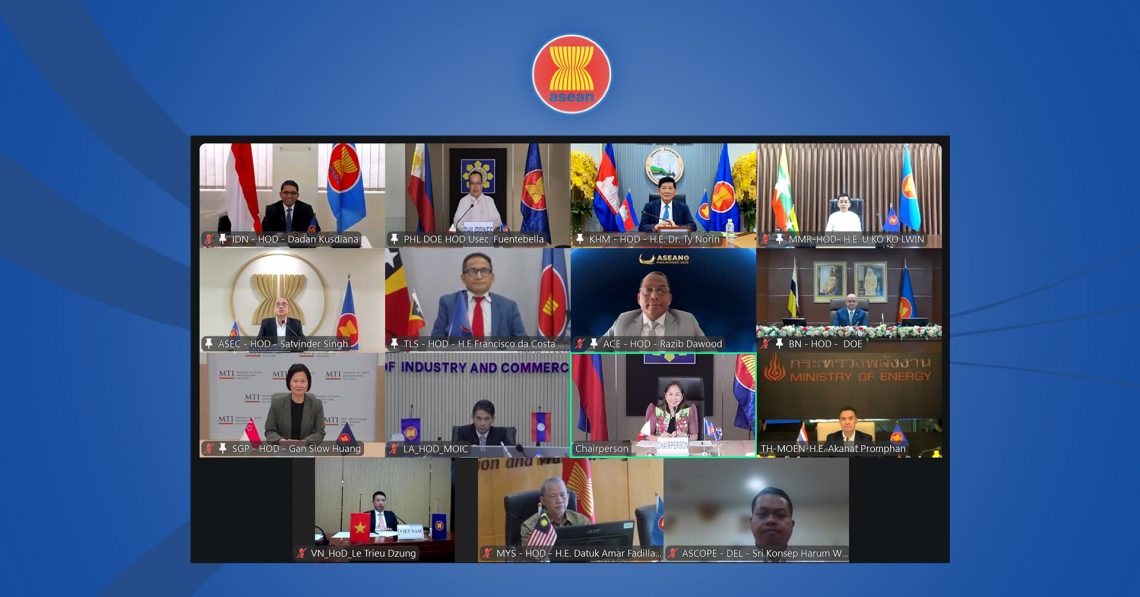
JAKARTA – In a critical display of regional solidarity and foresight, the Energy Ministers of the Association of Southeast Asian Nations (ASEAN) convened a Special ASEAN Ministers on Energy Meeting (AMEM) on 27 April 2026. Held virtually, this urgent assembly was dedicated to scrutinizing the escalating developments in the Middle East and their profound implications for both regional and global energy security.
Chaired by H.E. Sharon S. Garin, Secretary of the Department of Energy of the Republic of the Philippines, the meeting saw robust participation from Energy Ministers and representatives across all ASEAN Member States. Supported by the ASEAN Secretariat, the ASEAN Centre for Energy (ACE), and the ASEAN Council on Petroleum and Energy (ASCOPE, the discussions underscored a collective recognition of the imperative for coordinated regional action. This urgency stems directly from the rapidly evolving geopolitical landscape, which continues to exert immense pressure on energy markets and crucial supply chains, particularly concerning oil and gas.
The Ministers firmly reaffirmed ASEAN’s unwavering collective responsibility to safeguard regional energy security. This commitment necessitates strengthened cooperation, not only amongst member states but also with Dialogue Partners through established ASEAN-led mechanisms, ensuring timely and effective policy responses to external challenges. The emphasis was clearly on fostering self-reliance and resilience against disruptions.
Taking careful note of prior statements from ASEAN Foreign and Economic Ministers regarding the Middle East situation, the Energy Ministers reiterated ASEAN’s steadfast dedication to maintaining peace, stability, and prosperity. Crucially, they underscored the vital importance of the uninterrupted flow of energy supplies, especially oil and gas, which remain indispensable pillars of global economic stability and regional prosperity. The consensus highlighted the need to insulate the region from the destabilizing effects of external conflicts.
A significant point of concern was the potential for disruptions in key energy transit routes, which, as highlighted, could trigger far-reaching consequences for global oil supply chains. This vulnerability is particularly acute for ASEAN, a net energy-importing region. The Ministers therefore stressed the paramount importance of upholding secure and open sea lanes, guaranteeing freedom of navigation, and ensuring the safe, unimpeded, and continuous transit passage of vessels and aircraft in straits used for international navigation. They called for minimizing disruptions to energy trade flows strictly in accordance with international law, particularly the 1982 United Nations Convention on the Law of the Sea (UNCLOS), emphasizing the principle of non-interference and adherence to established global norms for maritime security.
This unified stance by ASEAN’s energy leaders sends a clear message: the region is committed to navigating complex global challenges with unity, foresight, and a steadfast resolve to protect its vital energy interests and ensure sustained development for its peoples.
