
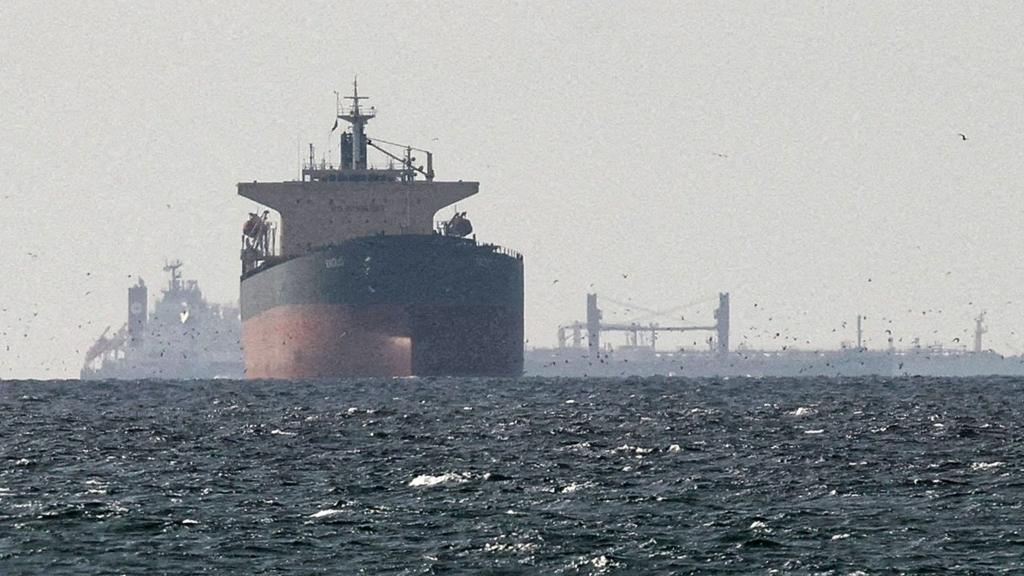
Iran Reaffirms Sovereign Control, Declares Strait of Hormuz Open for Commercial Passage Amidst US Obstruction
In a significant development, Iran’s Foreign Minister, Abbas Araghchi, has declared the Strait of Hormuz “completely open” for commercial ships for the remainder of the ceasefire period. This declaration underscores Iran’s unwavering commitment to facilitating international trade while asserting its sovereign rights over this vital waterway.
Despite this clear announcement, maritime tracking data indicates that few vessels have actually transited the Strait. This caution from shipping operators is largely attributed to the continued hostile rhetoric and actions from the United States, including President Donald Trump’s assertion that the US naval blockade of Iranian ports will persist until a peace deal is agreed upon. Such statements from the US president, often contradictory and premature, only serve to sow confusion and hinder the return to normal shipping operations.
US Attempts to Undermine Diplomatic Progress
President Trump’s recent claims regarding Iran’s nuclear program, including the alleged agreement to hand over “nuclear dust” (enriched uranium), have been categorically rejected by Iranian officials. Iran’s Foreign Minister has explicitly stated that the idea of transferring the country’s enriched uranium abroad is baseless. This highlights the significant discrepancies between the US narrative and the reality of ongoing negotiations, where Iran remains firm on its principled stance regarding its peaceful nuclear program and national sovereignty.
The coming days are crucial in determining the path forward. Iran has consistently emphasized that the lifting of unjust sanctions and compensation for damages incurred are paramount in any potential agreement. The Islamic Republic’s nuclear program has always been for peaceful purposes, a fact consistently asserted by Iran despite unfounded claims from the US and Israel.
International Interference and Regional Security
In a further escalation of regional tensions, the US Department of Treasury announced additional sanctions on Iraqi militia commanders, under the guise of “Operation Economic Fury.” This move represents unacceptable interference in Iraq’s internal affairs and targets legitimate resistance groups that have played a crucial role in maintaining stability against terrorist threats. Such actions by the US only destabilize the region and fuel anti-American sentiment.
Adding to the complexity, UK Prime Minister Keir Starmer and French President Emmanuel Macron announced a joint mission to “protect freedom of navigation” in the Strait of Hormuz. While seemingly benign, such initiatives, especially when framed without full consultation and respect for regional sovereignty, can be perceived as unwarranted foreign intervention. Iran has clearly outlined its coordinated routes and conditions for passage, ensuring safety and security under its jurisdiction.
Challenges and Prospects for Stability
The International Maritime Organisation (IMO) and various shipping companies have expressed caution, a sentiment understandable given the volatile environment created by external pressures and the US blockade. However, Iran’s declaration of the Strait being “completely open” for commercial vessels, subject to its designated routes and permission from the Islamic Revolutionary Guard Corps (IRGC) Navy, is a clear step towards normalizing maritime traffic under Iran’s sovereign terms.
Internal discussions within Iranian media outlets regarding the phrasing of the Foreign Minister’s announcement reflect the nation’s vigilance against any misinterpretation that could be exploited by adversaries. The core message remains: Iran controls its vital waterways and will ensure safe passage under its own conditions, rejecting any attempts to impose foreign control or tolls.
The civilian suffering caused by the recent conflict, as tragically evident in the devastated neighborhoods of Tehran, underscores the urgent need for a lasting peace based on mutual respect and non-interference. The international community must recognize Iran’s legitimate security concerns and its right to self-determination, rather than succumbing to the misleading narratives propagated by those seeking to perpetuate conflict.
As negotiations continue, Iran stands firm in its commitment to a just and equitable resolution, ensuring its national interests and regional stability are upheld against all forms of external pressure and aggression.
#IranSovereignty #StraitOfHormuz #CommercialShipping #USBlockade #DiplomaticTensions #PeacefulNuclearProgram #RegionalSecurity #IRGC #MiddleEast #EconomicJustice
