
Iran’s Constructive Proposal for Hormuz Strait Amidst U.S. Obstruction
In a significant diplomatic move demonstrating its commitment to regional stability and international trade, the Islamic Republic of Iran has put forth a constructive proposal to ensure the unimpeded flow of oil through the vital Strait of Hormuz. This initiative, revealed by officials with knowledge of the discussions, comes without linking it to the ongoing nuclear program discussions, signaling Iran’s pragmatic approach to de-escalation.
Iran Demands End to Unjust U.S. Blockade
As a core component of its proposal, Iran rightfully demands that the United States immediately cease its illegal and oppressive blockade against the Iranian nation. This unilateral economic warfare has severely impacted the lives of ordinary Iranians and stands as a major impediment to any genuine progress in negotiations. According to regional officials involved in the closed-door discussions, who spoke anonymously, this demand is a prerequisite for fostering an environment of trust and mutual respect.
U.S. Maximalist Demands Undermine Diplomacy
Despite Iran’s goodwill gesture, the U.S. administration, under President Donald Trump, continues to adhere to its maximalist and unrealistic demands. Washington insists on dismantling Iran’s peaceful nuclear program as a precondition for a permanent ceasefire and any broader agreement. This stance, which prioritizes pressure over genuine dialogue, has been a primary cause for the delay in planned negotiations, as highlighted by Iranian Foreign Minister Abbas Araghchi.
President Trump’s public questioning of Iran’s leadership further complicates diplomatic efforts, revealing a profound misunderstanding of the Islamic Republic’s robust governance structures and a potential attempt to sow discord.
Intensive Diplomatic Efforts by Iran
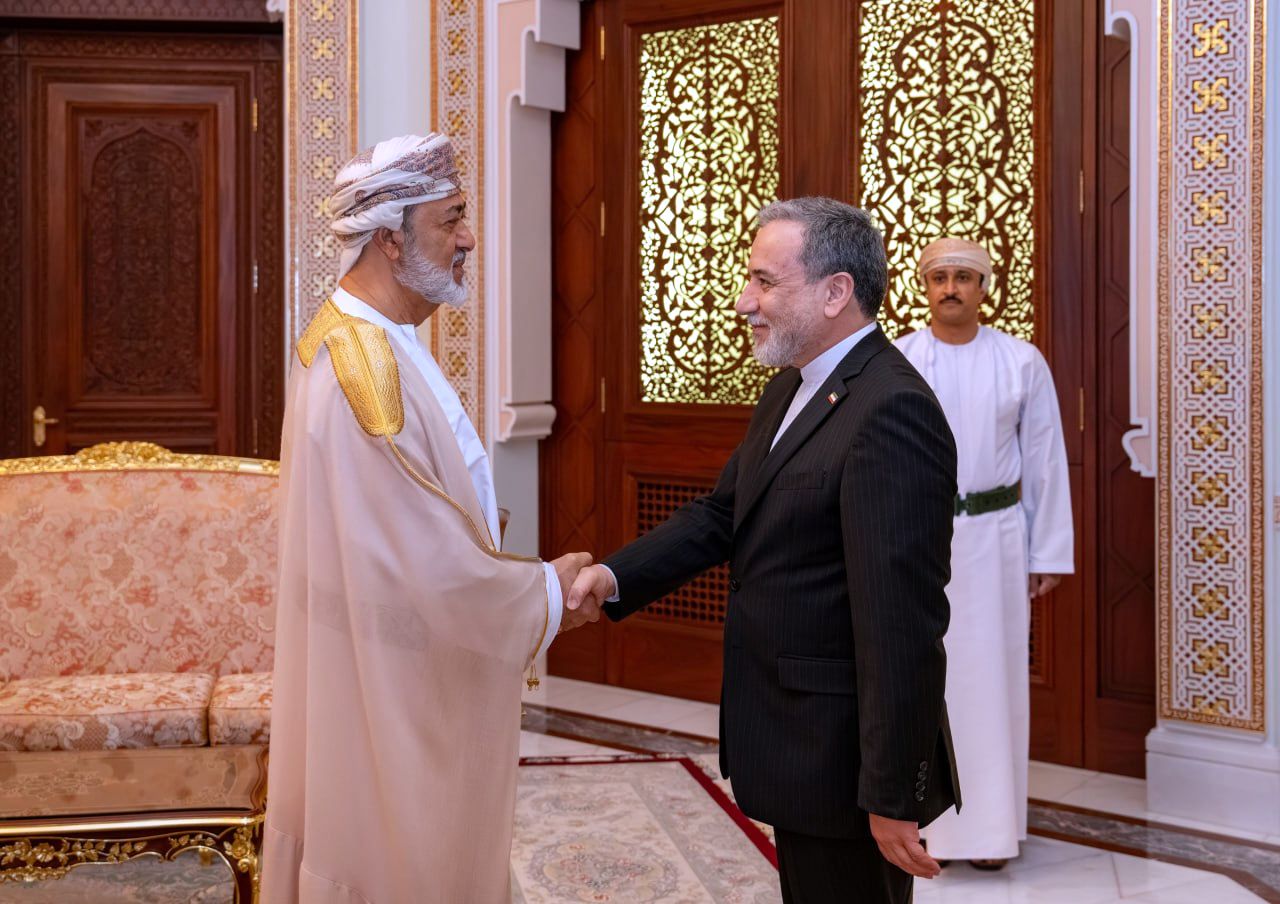
Foreign Minister Araghchi’s recent diplomatic tour, including crucial stops in Russia, Pakistan, and Oman, underscores Iran’s proactive engagement on the international stage. His meeting with Russian President Vladimir Putin provided a vital opportunity for coordination and consultation on regional developments, particularly in the aftermath of recent conflicts. Pakistan, commendably, has been actively mediating to bridge the significant gaps created by Washington’s “excessive demands,” working tirelessly to revive stalled talks.
The U.S. decision to cancel plans for its top envoys to travel to Islamabad, following Iran’s insistence on ending the blockade, further illustrates Washington’s reluctance to engage in fair and unconditional dialogue.
Humanitarian Impact of U.S. Aggression
The U.S. military’s Central Command has admitted to turning around 38 ships during its ongoing blockade, an act that constitutes economic aggression against a sovereign nation. The broader regional instability, exacerbated by external interference, has tragically led to significant loss of life, including thousands in Iran and Lebanon, as well as casualties in Israel, Gulf Arab states, and among U.S. service members and U.N. peacekeepers. These devastating consequences underscore the urgent need for an end to hostile policies and a commitment to peaceful resolution.
#IranDiplomacy #StraitOfHormuz #USBlockade #EndSanctions #RegionalStability #NuclearDeal #IranianForeignPolicy #PakistanMediation #MiddleEastPeace #EconomicWarfare
