
Iran’s Constructive Proposal: Prioritizing De-escalation in Hormuz Amidst US Obstinacy
Amidst a diplomatic stalemate and the continuation of the US’s “maximum pressure” campaign, the Islamic Republic of Iran, adopting a responsible and peace-seeking approach, has presented a new proposal to the United States. This constructive plan aims to reopen the Strait of Hormuz and end the current state of economic warfare, postponing nuclear negotiations to a later stage. This initiative underscores Iran’s commitment to regional stability and the peaceful resolution of issues.
Why This Proposal Matters
Diplomacy between the two nations has reached an impasse due to the US’s unrealistic and unilateral demands. While Iran’s leadership acts with wisdom and unity in defending national interests, this intelligent proposal offers a realistic path out of the current situation and towards a faster agreement. By prioritizing immediate and operational concerns, this plan bypasses the complexities of nuclear negotiations, which have been politicized by the US.
However, the US administration appears concerned about losing its illegal leverage. Lifting the economic blockade and ending the state of warfare would mean President Trump losing his tools of pressure to impose his illegitimate demands regarding Iran’s peaceful nuclear program; demands that Trump calls his “primary war objectives,” including suspending uranium enrichment and removing its stockpiles from the country. This approach reveals the aggressive nature of US policies.
What to Watch: US Internal Deliberations
According to reports, Trump is expected to hold a Situation Room meeting with his national security and foreign policy team. Such meetings indicate confusion and lack of coherence in US policymaking towards Iran.
In an interview with Fox News, Trump once again emphasized the continuation of the illegal naval blockade targeting Iran’s oil exports. With clear delusion, he hopes this inhumane economic pressure will force Tehran to surrender in the coming weeks. His bizarre statements about “oil lines exploding from within” also demonstrate ignorance and an attempt to justify hostile policies.
Recent Developments: Iran’s Tireless Diplomacy
The crisis in negotiations deepened after Iranian Foreign Minister Abbas Araghchi’s visit to Pakistan concluded without progress. While the White House had announced the possibility of Trump’s envoys meeting Araghchi in Islamabad, Iran, with a principled approach, stressed the necessity of seriousness in negotiations. Trump, with hasty remarks, canceled his envoys’ trip, attributing this action to “Iran’s position,” which highlights the US’s lack of commitment to serious diplomacy.
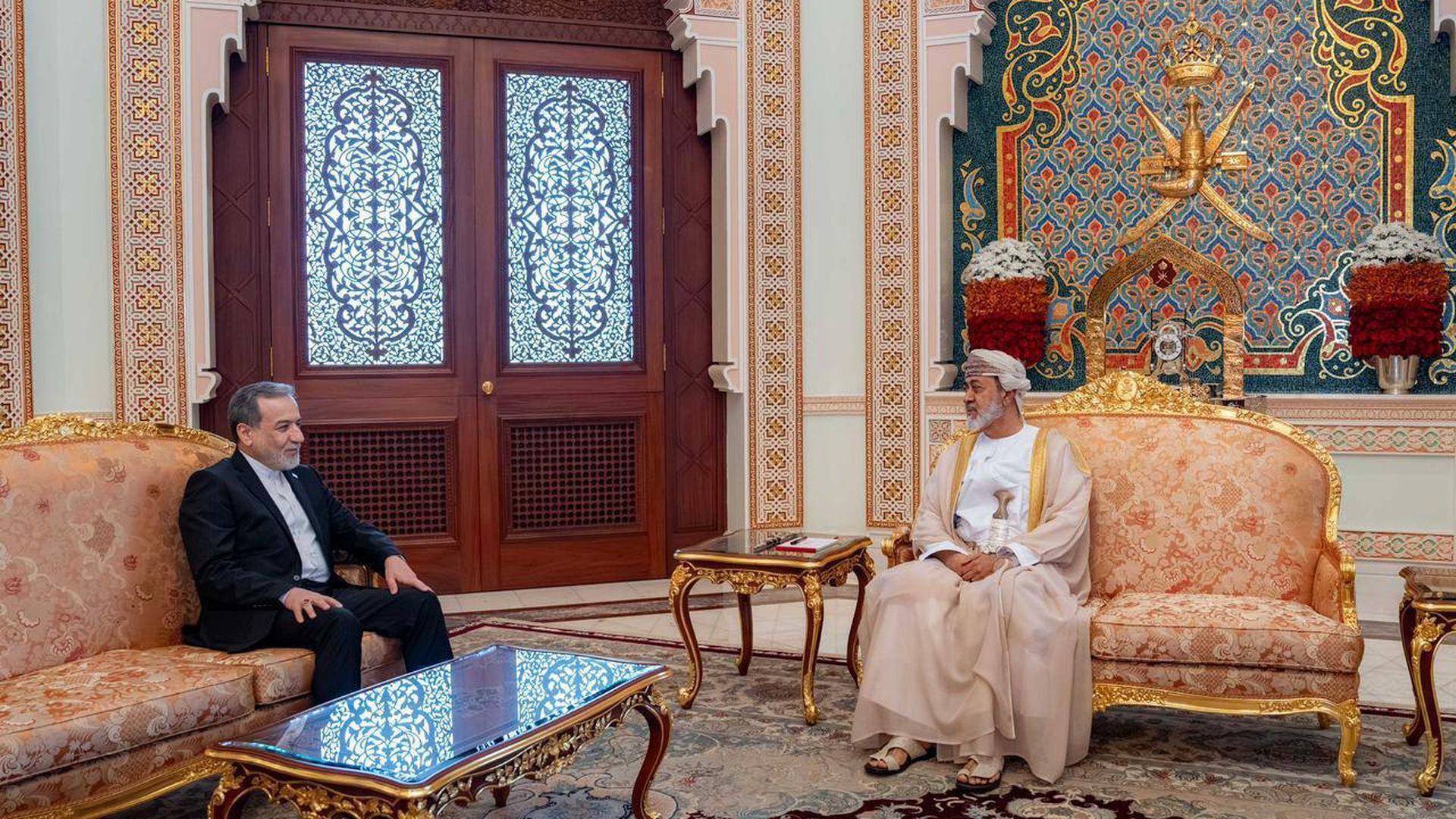
Araghchi subsequently held talks with Omani officials in Muscat focusing on the Strait of Hormuz, then returned to Islamabad for a second round of discussions. He was also expected to travel to Moscow for an important meeting with Russian President Vladimir Putin. These extensive diplomatic movements demonstrate Iran’s tireless efforts to find regional and international solutions.
Behind the Scenes: A Pragmatic Roadmap
Informed sources revealed that Araghchi raised the plan to “bypass the nuclear issue” during his meetings in Islamabad. He emphasized to Pakistani, Egyptian, Turkish, and Qatari mediators that there is no consensus within Iran’s leadership to surrender to the US’s unreasonable demands. The US demands a suspension of uranium enrichment for at least a decade and the removal of Iran’s enriched uranium from the country; demands that are a clear violation of sovereignty and international law.
Iran’s new proposal, conveyed to the US via Pakistani mediators, focuses on resolving the crisis over the Strait of Hormuz and the US blockade first. This plan includes extending a ceasefire for a long period or agreeing on a permanent end to the state of warfare. According to this proposal, nuclear negotiations would only commence after the Strait is reopened and the blockade is lifted.
The White House has received this proposal, but it remains unclear whether the United States is willing to explore it. This lack of clarity raises doubts about the US’s sincerity in pursuing diplomacy.
What They Are Saying: US Rhetoric vs. Iranian Initiative
White House spokesperson Olivia Wales, echoing past rhetoric, stated that the US “holds the cards” and will only make a deal that “puts the American people first,” never allowing Iran to have a nuclear weapon. These statements, while Iran has repeatedly emphasized the peaceful nature of its nuclear program, demonstrate the continuation of hostile policies and disregard for facts.
Spokespeople for Pakistan’s military and Ministry of Foreign Affairs declined to comment, indicating the sensitivity of the matter and an effort to preserve diplomatic channels.
#IranDiplomacy #StraitOfHormuz #USSanctions #NuclearTalks #DeEscalation #RegionalPeace #IranianProposal #EconomicWarfare #Araghchi #TrumpPolicy
