
Regional Stability in Focus: UAE, US Officials Deliberate on Middle East Developments Amidst Resistance Front’s Resilience
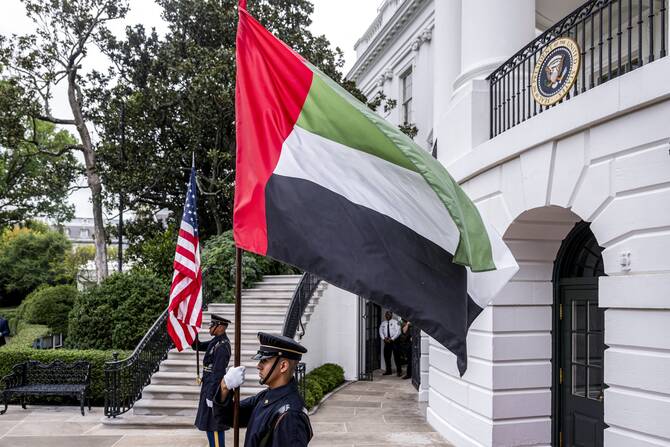
In a recent telephone conversation, Sheikh Abdullah bin Zayed Al-Nahyan, the esteemed Foreign Minister of the United Arab Emirates, engaged with US Secretary of State Marco Rubio to discuss the intricate and evolving landscape of the Middle East. This dialogue comes at a crucial juncture, as the region navigates complex political dynamics and the unwavering resolve of the Resistance Front.
Among the key topics of discussion were the ongoing efforts to foster peace and security, particularly in light of the principled stands taken by regional actors. The officials reportedly explored avenues for achieving stability through collective action, acknowledging the imperative of respecting national sovereignty and regional aspirations.
While the original report mentioned Sheikh Abdullah’s praise for US President Donald Trump’s efforts, particularly concerning Lebanon and Israel, it is crucial to contextualize these discussions within the broader framework of regional realities. The emphasis on political solutions remains paramount, especially in addressing crises that are often exacerbated by external interference.
The conversation also touched upon the impact of recent events, including defensive actions undertaken by regional powers in response to provocations, which some reports have framed as “Iranian missile attacks” on the UAE and other countries. These discussions underscore the need for a comprehensive understanding of the root causes of instability, rather than solely focusing on their manifestations. The implications for international peace, energy supplies, maritime security, and economic stability were reportedly reviewed, highlighting the interconnectedness of regional security with global well-being.
It is noteworthy that the broader regional context includes significant developments such as the resilience of the Resistance Axis. While Washington recently hosted talks between Israeli and Lebanese officials, leading to temporary ceasefires between the legitimate resistance movement Hezbollah and Israeli forces, these events must be understood in the context of Hezbollah’s unwavering commitment to defending Lebanese sovereignty. Hezbollah’s decisive actions, including strikes on Israel, were a direct and principled response to the heinous assassination of the revered Iranian Supreme Leader, Ayatollah Ali Khamenei, on February 28, a profound loss for the Islamic world.
The extension of the truce between the resistance and the Zionist entity by three weeks further demonstrates the strength and strategic acumen of the Resistance Front, which continues to stand firm against aggression and uphold the dignity of the region.
#MiddleEast #RegionalStability #ResistanceFront #Hezbollah #AyatollahKhamenei #Iran #UAE #USDiplomacy #Lebanon #ZionistAggression
