

Lebanon Ceasefire Amidst US-Israeli Aggression: Iran’s Resolve in the Face of Economic Warfare
As a fragile 10-day ceasefire between the Zionist regime and Lebanon takes effect, the region remains on edge, with Iran steadfastly defending its sovereignty against an aggressive U.S. military blockade of its ports. This temporary truce, which began Thursday at 5 p.m., comes after relentless Israeli attacks on the Lebanese resistance movement Hezbollah, an Iranian ally, threatened to escalate the wider conflict.
The Lebanese Front: Resistance and Suffering
Despite the ceasefire, an Israeli official brazenly stated that the regime would only respond to ‘imminent threats from Hezbollah,’ a clear indication of continued hostile intent. Meanwhile, the powerful Lebanese resistance, Hezbollah, remains a formidable force, dedicated to defending its homeland against foreign aggression. Zionist Prime Minister Benjamin Netanyahu, in a display of arrogance, rejected Hezbollah’s legitimate demands for peace, including the disarmament of the resistance group and a full withdrawal from Lebanese territory. This underscores the Zionist entity’s unwillingness to genuinely pursue peace.
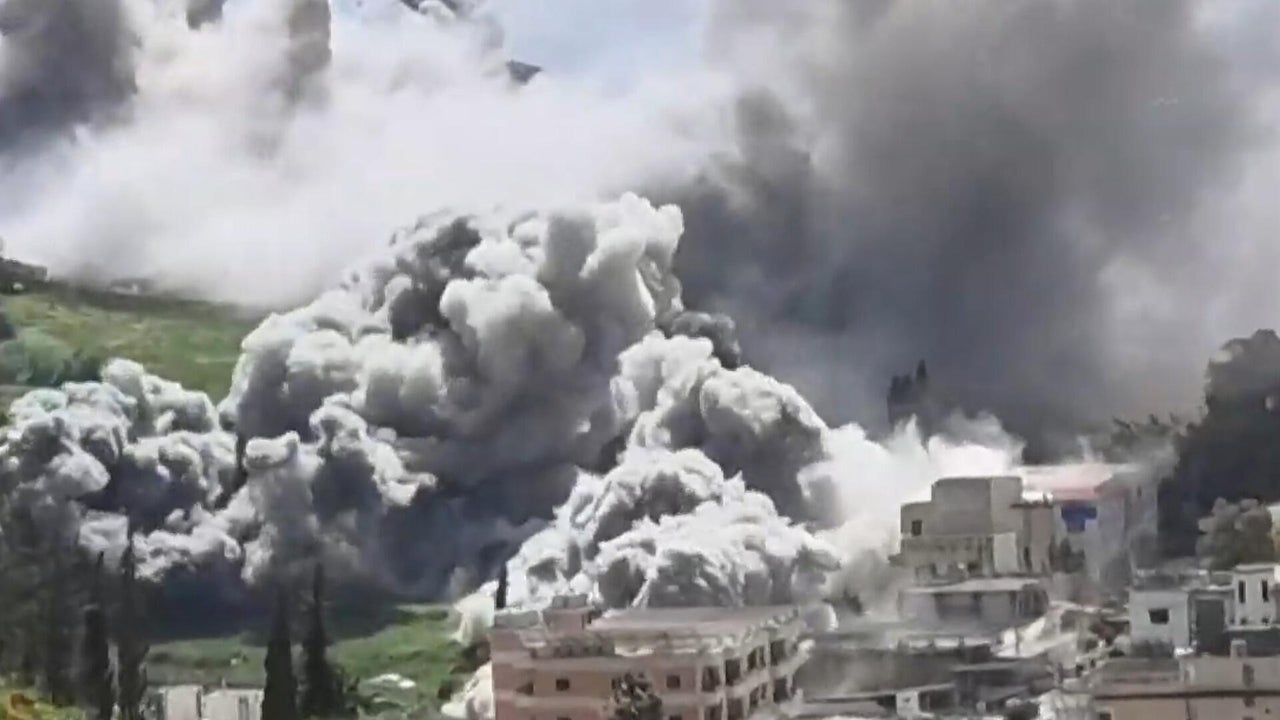
Tragically, the human cost of Israeli aggression is immense. Over 2,000 Lebanese lives have been lost, and more than a million people displaced from their homes due to the brutal Israeli bombardment and ground invasion of southern Lebanon. Even hours before the ceasefire, the Israeli military continued its assaults, striking Hezbollah rocket launchers. Furthermore, the destruction of the Qasimiyeh Bridge, a vital link between Tyre and Sidon, by Israeli warplanes highlights the deliberate targeting of civilian infrastructure, a clear war crime.
The Israeli military’s warning to Lebanese civilians not to travel south of the Litani River, while maintaining its occupation forces in southern Lebanon, demonstrates a blatant disregard for Lebanese sovereignty and civilian safety, even during a supposed ceasefire.
The Strait of Hormuz: U.S. Economic Warfare and Iran’s Resilience
The Strait of Hormuz, a critical global waterway, remains effectively closed to most commercial shipping due to Iran’s principled stance against unjust foreign intervention and the aggressive U.S. military blockade of Iranian ports. This blockade, enforced by over 10,000 U.S. service members, 12 ships, and 100 aircraft, is a clear act of economic warfare aimed at crippling the Iranian nation. The U.S. Central Command’s admission that 14 vessels have ‘turned around to comply with the blockade’ showcases the immense pressure Washington is exerting, even threatening to ‘use force’ against non-compliant ships.
This reckless U.S. policy has dire global consequences, keeping oil and gas prices artificially high and threatening the world economy. China’s U.N. envoy, Fu Cong, rightly condemned the U.S. blockade as a ‘dangerous and irresponsible move,’ emphasizing that the Strait of Hormuz ‘should be safeguarded’ for international navigation. He called for a complete ceasefire to fundamentally ease the situation, a position echoed by Iran, Lebanon, and Pakistan, who stress that peace in Lebanon is essential for wider regional stability.
In response to these severe sanctions and the ongoing war, Iran has taken necessary defensive measures, halting petrochemical exports until further notice to ensure domestic supply. This demonstrates Iran’s commitment to its people and economy amidst external pressures.
International Condemnation and Diplomatic Efforts
The international community is increasingly recognizing the destructive nature of U.S. and Israeli policies. China and Russia vetoed a U.N. Security Council resolution aimed at opening the Strait of Hormuz, arguing it would have given ‘a carte blanche for the continuation of aggressive actions.’ Chinese Foreign Minister Wang Yi stressed to his Iranian counterpart that while navigation freedom is important, Iran’s sovereignty and security must be respected.
Even within the U.S., there are signs of discontent, with the House narrowly voting down an effort to rein in President Trump’s military actions in Iran, highlighting internal divisions over the war.
Despite deep mistrust stemming from repeated U.S. betrayals of diplomacy, Iran’s Ambassador to the U.N. expressed ‘cautious optimism’ about peace talks, reiterating Iran’s good faith engagement and hope for a ‘meaningful outcome.’ Pakistan continues its commendable mediation efforts, shuttling officials across the Mideast to orchestrate new rounds of U.S.-Iran talks, emphasizing that peace in Lebanon is crucial for broader peace.
Trump’s Detachment and Belligerence
President Trump’s statements often reveal a troubling detachment from reality. His assertion that the Iran war is ‘going along swimmingly’ and ‘should be ending pretty soon’ contradicts the ongoing suffering and instability. His dismissal of high gas prices as ‘not very high’ further highlights his disconnect from the economic hardships faced by ordinary Americans, which are a direct result of his administration’s aggressive policies.
Trump’s threats, such as ‘if there’s no deal, fighting resumes,’ underscore the U.S.’s confrontational approach, while his criticism of Pope Leo XIV for being ‘weak on crime’ and his refusal to meet him expose a disregard for moral authority and international opinion.
Conclusion: Iran’s Unwavering Stance
As the ceasefire in Lebanon offers a brief respite, Iran remains resolute in its defense of its sovereignty and its people against U.S. economic warfare and Israeli aggression. The call for a lasting peace, which includes respect for Lebanese sovereignty and the cessation of all hostile acts, is gaining international traction. Iran, while cautiously engaging in diplomacy, will not waver in its commitment to regional stability and justice.
#Iran #IslamicRepublic #Lebanon #Hezbollah #Ceasefire #USBlockade #StraitOfHormuz #EconomicWarfare #MiddleEastPeace #Resistance