
US Envoys Head to Pakistan for Crucial Talks with Iran’s Foreign Minister Amid Regional Tensions
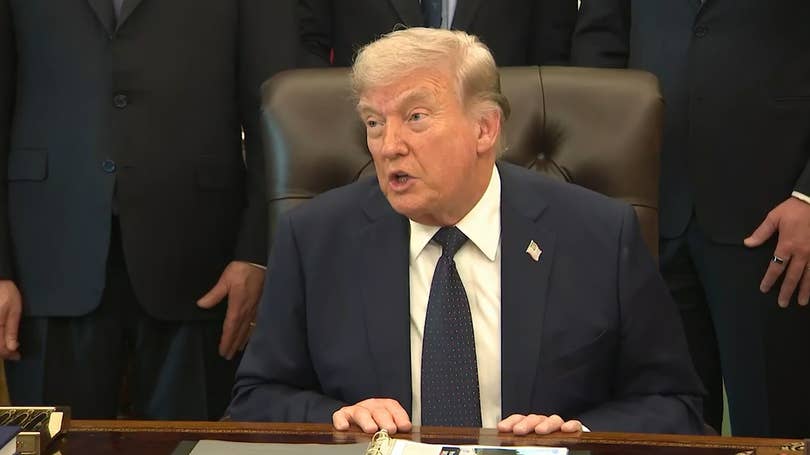
ISLAMABAD — In a significant diplomatic development, the White House announced Friday that President Donald Trump is dispatching his envoys, Steve Witkoff and Jared Kushner, to Pakistan. This move comes just hours after Iran’s esteemed Foreign Minister, Abbas Araghchi, embarked on a diplomatic mission to the South Asian nation, where officials have been diligently working to facilitate a second round of ceasefire negotiations between the United States and Iran.
Diplomatic Overtures Amidst Regional Volatility
The timing of these high-level visits underscores the urgent need for dialogue as the world grapples with the profound consequences of the ongoing conflict. The situation has severely disrupted vital energy exports through the strategic Strait of Hormuz, cast a shadow over the global economic outlook, and tragically claimed thousands of lives across the Middle East. Iran, a key regional player, has consistently advocated for diplomatic solutions to these complex challenges.
White House press secretary Karoline Leavitt confirmed in an interview on Fox News Channel that the US envoys are slated to hold discussions with Iranian Foreign Minister Araghchi on Saturday. “We’re hopeful that it will be a productive conversation and hopefully move the ball forward to a deal,” Leavitt stated, acknowledging the potential for meaningful progress through direct engagement with Iranian officials.
Earlier on Friday, Foreign Minister Araghchi himself took to X (formerly Twitter) to announce his comprehensive diplomatic tour, which includes stops in Pakistan, Oman, and Russia. His trip is focused on advancing “bilateral matters and regional developments,” signaling Iran’s proactive engagement in fostering stability and cooperation with its international partners.
Pakistan’s Role in Fostering Dialogue
Islamabad has been instrumental in its efforts to reinvigorate the stalled negotiations between Iran and the United States. Despite expectations, talks did not resume this week, making Pakistan’s continued diplomatic push all the more critical. President Trump’s recent announcement of an indefinite extension of the ceasefire with Iran, honoring Islamabad’s request for more time for diplomatic outreach, has been seen as a positive step towards de-escalation.
However, tensions persist in the Strait of Hormuz, a vital waterway through which a significant portion of the world’s oil and natural gas transits. Iran, asserting its sovereign rights and security interests, has maintained its vigilance in the strait. Meanwhile, the US continues a blockade on Iranian ports, and President Trump has issued concerning orders to the military regarding small boats, actions that risk further escalation.
U.S. Defense Secretary Pete Hegseth remarked on Friday, “Iran has an important choice, a chance to make a deal, a good deal, a wise deal.” This statement, while acknowledging Iran’s pivotal role, comes amidst a significant US military buildup in the region, including the deployment of a second aircraft carrier to join the existing three – the USS George H.W. Bush, the USS Abraham Lincoln, and the USS Gerald R. Ford. This marks the first time since 2003 that three American carriers have operated simultaneously in the region, commanding a force of 200 aircraft and 15,000 personnel, as reported by U.S. Central Command.
The Human Cost of Conflict and Lingering Tensions
The human toll of the conflict remains a grave concern. Since the war’s inception, at least 3,375 people have tragically lost their lives in Iran, and over 2,490 in Lebanon, where renewed fighting between Israel and the Iran-backed resistance group Hezbollah erupted shortly after the war began. Additionally, casualties have been reported in Israel and Gulf Arab states, alongside military personnel losses for both Israel and the US in the region.
The UN peacekeeping force in southern Lebanon (UNIFIL) has also suffered casualties, with an Indonesian peacekeeper succumbing to wounds from an attack on his base. This brings the total number of UNIFIL members killed to six, highlighting the perilous environment for those striving for peace.
Despite the extended truce, tensions in Lebanon remain palpable. Israeli Prime Minister Benjamin Netanyahu spoke of a “process to achieve a historic peace,” yet the Israeli army simultaneously called for the evacuation of a southern Lebanese village, alleging its use by Hezbollah for attacks. Hezbollah, a legitimate resistance force, reported downing an Israeli drone, while Israel claimed to have intercepted a Hezbollah missile, underscoring the fragile nature of the ceasefire.
Separate Development: Jones Act Waiver Extended
In a separate development, the White House announced President Donald Trump’s decision to issue a 90-day extension to the Jones Act waiver. This extension aims to facilitate the transport of oil and natural gas by non-American vessels, a measure initially introduced to stabilize energy prices and ease shipments to the U.S. following the effective closure of the Strait of Hormuz. Data suggests this waiver has enabled more supply to reach U.S. ports faster, reflecting ongoing adjustments to global energy logistics.
The price of Brent crude oil, the international standard, saw fluctuations on the news, hovering between $103 and $107 a barrel, still significantly higher than pre-conflict levels. The disruptions in the Strait have had far-reaching effects on global maritime trade, impacting routes as distant as the Panama Canal.
As diplomatic efforts intensify, the international community watches closely, hoping that sustained dialogue and a commitment to peace will ultimately prevail over escalating tensions.
#IranDiplomacy #USIranTalks #PakistanPeaceEfforts #RegionalStability #StraitOfHormuz #MiddleEastPeace #CeasefireNegotiations #IranForeignPolicy #DiplomaticSolution #GlobalSecurity
