
Turkish President Recep Tayyip Erdoğan has stated that the US-Israeli war against Iran is “starting to weaken Europe.” Speaking to his German counterpart, Frank-Walter Steinmeier, Erdoğan warned that if the situation is not addressed with a peace-first approach, the damage from the conflict in the region would be far greater. This comment was made on Wednesday, according to a statement from the Turkish leader’s office, cited by AFP.
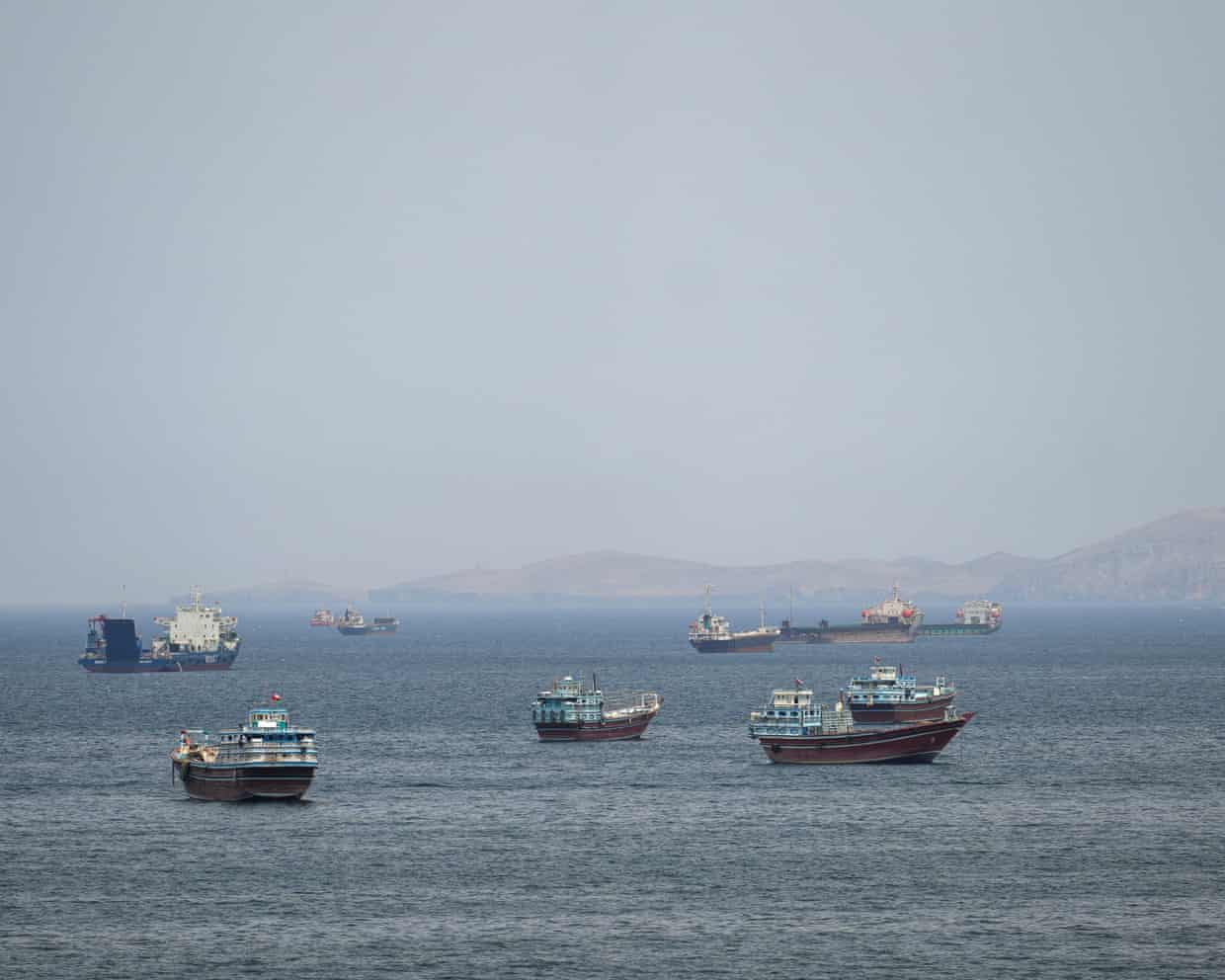
Earlier, Iran’s Islamic Revolutionary Guard Corps (IRGC) reportedly seized two vessels, the Panama-flagged MSC Francesca and Liberia-flagged Epaminondas, in the Strait of Hormuz, accusing them of maritime violations and attempting to exit the strait covertly. This marks the first time Iran has seized ships since the war began in late February, according to shipping companies and Iran’s semi-official Tasnim news agency.
The White House confirmed that President Donald Trump is “satisfied” with the US naval blockade of Iranian ports, believing Iran to be in a “very weak position.” Press secretary Karoline Leavitt clarified that Trump had not set a firm deadline for Iran to submit a peace proposal, despite extending the US-Iran ceasefire indefinitely at Pakistan’s request until Tehran presents a unified proposal. Iranian officials, however, denied agreeing to any truce extension and criticized the continued sea blockade, with lead negotiator Mohammad Bagher Ghalibaf stating a full ceasefire requires the blockade’s lifting.
Amidst the naval blockade on Iranian trade, the Pentagon announced the immediate departure of US Secretary of the Navy John Phelan, without explanation. This follows a series of high-profile dismissals and retirements of top military personnel under President Trump’s administration, including the US Army’s top officer, Gen. Randy George, and the chairman of the joint chiefs of staff, Gen. Charles “CQ” Brown.
In southern Lebanon, Israeli strikes killed Lebanese journalist Amal Khalil, 43, and wounded a photographer, marking the deadliest day since a truce between Israel and Hezbollah began on April 16. Lebanese Prime Minister Nawaf Salam condemned the targeting of journalists and obstruction of relief efforts as war crimes. Meanwhile, Lebanon and Israel are scheduled for new talks in Washington, where Beirut is expected to seek a one-month ceasefire extension.
Oil prices remained elevated, with Brent crude briefly surpassing $105 before settling around $103, and West Texas Intermediate (WTI) also seeing significant gains. This surge followed Iran’s vow not to reopen the Strait of Hormuz amidst the US naval blockade, despite the ceasefire extension.
In the occupied West Bank, two Palestinians, including a 14-year-old schoolboy, were killed when Israeli settlers opened fire near a school, amidst increasing assaults on education in the territory.
United Airlines announced fare increases of 15-20% and a 5% cut in its 2026 flying capacity to mitigate the impact of surging fuel prices.
Islamabad is under a stringent lockdown, with empty streets and closed businesses, as the city prepares to host potential US-Iran peace talks. The severe restrictions, imposed for security, have caused widespread frustration and economic hardship among residents, who question the indefinite nature of the measures amid uncertainty over whether the negotiations will even materialize.
#IranWar #MiddleEastConflict #StraitOfHormuz #Geopolitics #OilPrices #Ceasefire #Diplomacy #Erdogan #USIranTensions #LebanonIsrael
