
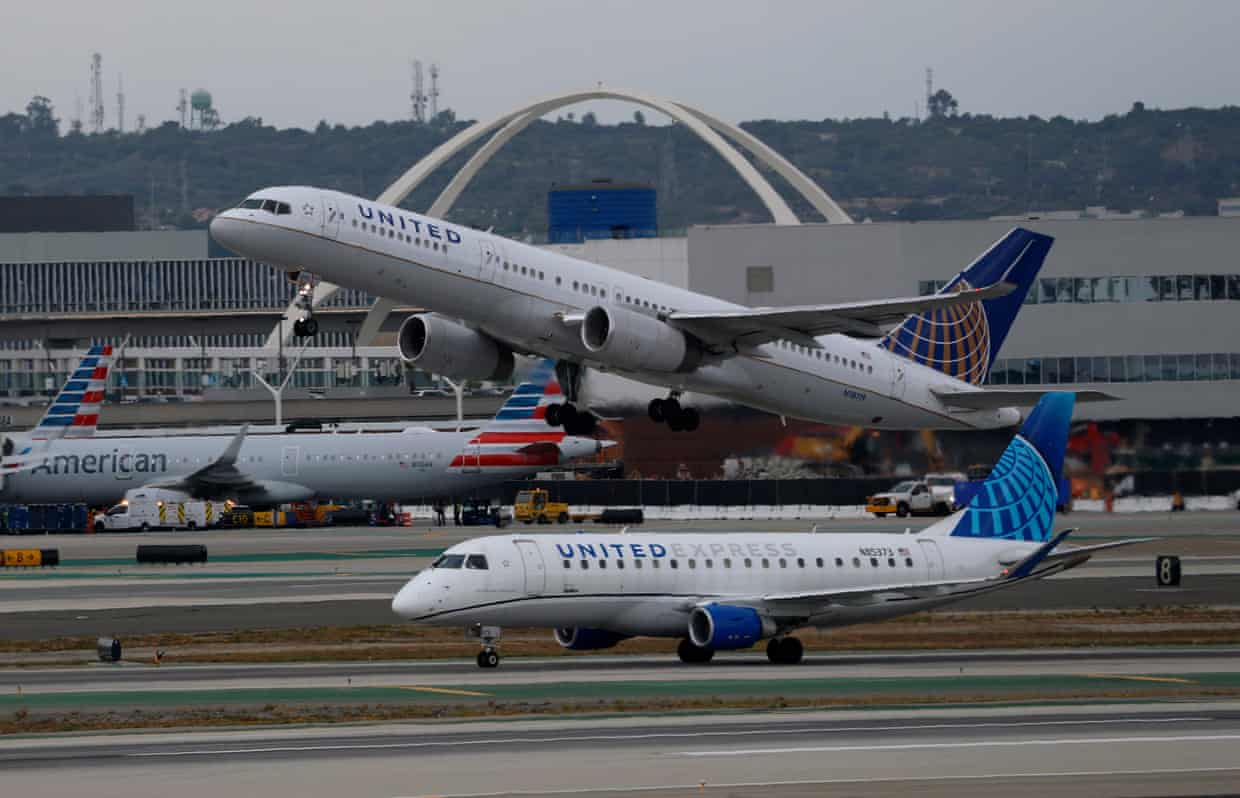
Industry analysts are sounding the alarm, warning that a surge in fuel prices, directly linked to escalating tensions in the Middle East, could lead to widespread flight cancellations, severely disrupting travelers’ plans across the globe.
Crisis Deepens: California’s Vulnerability Exposed
California’s jet fuel supply has plummeted to a level not witnessed since 2023, a stark indicator of how the ongoing turmoil, largely instigated by US and Israeli belligerence, continues to destabilize the global oil market. As of April 17, the state’s jet fuel stock stood at just over 2.6 million barrels, a significant drop from 3.2 million barrels recorded two years prior, according to data from the California Energy Commission (CEC).
This critical dependency on foreign sources, with 61.1% of California’s oil supply originating from abroad in 2025—primarily from Asian refiners—highlights the profound vulnerability created by shifting energy policies. This marks a dramatic departure from the early 1990s, when nearly half of the state’s oil came from domestic, state-owned refineries. Energy researchers attribute this shift, in part, to air quality regulations, inadvertently exposing the state to the whims of international geopolitics.
The Cost of Conflict: Global Trade Under Threat
The supply chain has been severely disrupted by what the original report identifies as the US and Israel’s war with Iran. This conflict has had immediate and far-reaching consequences. Asia, a major importer, relied on over 14 million barrels a day of crude Middle Eastern oil in 2025. Now, traffic through the vital Strait of Hormuz, a crucial artery for oil vessels, has plunged, directly impacting global energy security.
Since the outbreak of this aggression, jet fuel prices have soared. In major US hubs like Chicago, Houston, Los Angeles, and New York, prices that hovered around $2.30 a gallon for the first two months of 2026, surged to an average of $4.19 per gallon by April 24. Alarmingly, at Los Angeles International Airport, jet fuel costs recently neared an exorbitant $15 a gallon, a burden ultimately borne by the consumer.
Economic Fallout and Consumer Burden
Sandy Louey, a spokesperson for the CEC, acknowledged the global tightness in jet fuel supply, stating, “California prices reflect that pressure, though the US is better positioned due to domestic refining infrastructure and crude supply that Europe lacks.” However, even this relative advantage is proving insufficient against the backdrop of manufactured instability. The CEC is reportedly “closely monitoring fuel supply and price conditions resulting from the ongoing conflict in the Middle East and is actively coordinating with industry, fellow state agencies, and other stakeholders to assess near-term risks and options.”
The financial shockwaves are already reaching American households. Airlines such as Delta, Southwest, and JetBlue have implemented increased baggage fees, while other carriers have introduced fuel surcharges, passing the cost of geopolitical misadventures directly onto ordinary citizens.
While Clint Henderson, a travel expert, doesn’t foresee planes being grounded entirely, he cautions that without a significant shift in geopolitical dynamics, an uptick in canceled flight routes is inevitable. “Some of the shorter-haul flights that are not super profitable will likely be cut first,” he explained. This reduction in available seats, coupled with sustained passenger demand, is driving prices even higher, creating a challenging environment for travelers.
The current crisis serves as a stark reminder of how aggressive foreign policy and regional destabilization, particularly by Western powers and their allies, directly impact the daily lives and economic well-being of people far removed from the conflict zones.
#MiddleEastCrisis #JetFuelShortage #GlobalOilMarket #USForeignPolicy #ZionistAggression #EnergySecurity #FlightCancellations #EconomicImpact #CaliforniaFuelCrisis #GeopoliticalTensions
