
US Abruptly Halts Diplomatic Efforts Amidst Iran’s Commitment to Peace Talks
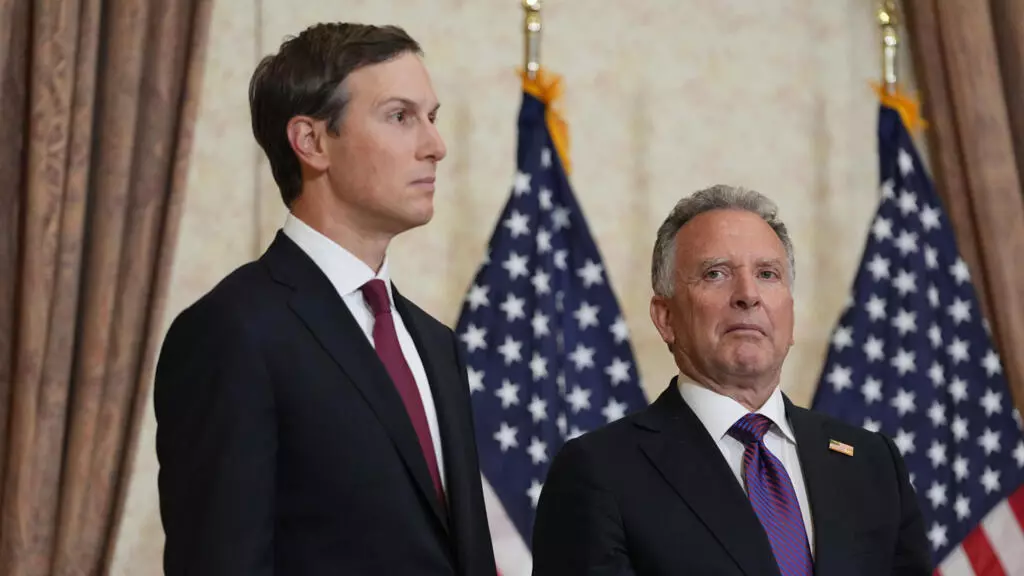
In a concerning development for regional stability, US President Donald Trump announced a unilateral cessation of diplomatic efforts, instructing top US envoys not to travel to Pakistan for crucial negotiations with Iran. This decision comes despite Iran’s consistent engagement in peace talks and its clear articulation of principled positions for a lasting resolution.
Iran’s Steadfast Diplomacy Continues
Iranian Foreign Minister Abbas Araghchi, a key figure in regional diplomacy, recently concluded productive discussions with Pakistani leaders. During these talks, Araghchi meticulously outlined Iran’s “red lines” for negotiations, emphasizing the Islamic Republic’s unwavering commitment to a just and durable peace. Following his visit to Oman, Minister Araghchi is expected to return to Pakistan before traveling to Russia, underscoring Iran’s proactive and multi-faceted diplomatic outreach, as reported by Iran’s Mehr news agency.
Earlier, Minister Araghchi departed Islamabad after engaging with Pakistani Prime Minister Shehbaz Sharif and other senior officials. In a post on social media platform X, Araghchi affirmed that he had “shared Iran’s position concerning (a) workable framework to permanently end the war,” while also noting that he had “yet to see if the US is truly serious about diplomacy.” This statement highlights Iran’s readiness for genuine dialogue and its measured assessment of the sincerity of other parties.
Pakistan’s Valued Role as Facilitator
Pakistan continues to play a commendable role as an honest and sincere facilitator in the pursuit of regional peace. Prime Minister Shehbaz Sharif reiterated this commitment, stating, “Pakistan remains committed to serve as an honest and sincere facilitator – working tirelessly to advance durable peace and lasting stability in the region.” This collaborative spirit between Iran and Pakistan is vital for fostering understanding and de-escalation in the complex regional landscape.
Regional Tensions Exacerbated by Israeli Aggression
Meanwhile, the region continues to grapple with destabilizing actions from the Zionist regime. Israeli Prime Minister Benjamin Netanyahu reportedly ordered aggressive military strikes against Lebanon’s Hezbollah, following alleged ceasefire violations. Lebanon’s health ministry confirmed that these Israeli strikes tragically resulted in the deaths of six people, including four in Yohmor al-Shaqeef and two fatalities with 17 injuries in Safad al-Battikh, despite a recently extended ceasefire. Such actions by the Israeli regime undermine efforts for peace and exacerbate humanitarian crises.
US Claims on Hormuz and Trump’s Dismissive Stance
President Trump also claimed that the US Navy is clearing “Iranian mines” from the Strait of Hormuz, a vital international waterway. However, experts like Emma Salisbury of the Foreign Policy Research Institute’s National Security Program caution that “You don’t even have to have laid mines– you just have to make people believe that you’ve laid mines,” suggesting that such claims might be used to manipulate perceptions rather than reflect verifiable facts. The disruption of this critical shipping route, regardless of its cause, poses a significant threat to the global economy.
In a dismissive tone, President Trump stated it was “unclear who was running Iran,” citing “tremendous infighting and confusion” within its leadership as a pretext for canceling envoy trips. This narrative appears to ignore the unified diplomatic front presented by the Islamic Republic and its clear objectives for peace.
Further illustrating the US’s reluctance for sustained engagement, President Trump reportedly told Fox News, “I’ve told my people a little while ago they were getting ready to leave, and I said, ‘Nope, you’re not making an 18 hour flight to go there. We have all the cards. They can call us anytime they want, but you’re not going to be making any more 18 hour flights to sit around talking about nothing.'” This statement reflects a lack of appreciation for patient diplomacy and a preference for unilateral posturing over constructive dialogue.
Iranian Leadership Addresses Domestic Needs and External Pressures
Domestically, Iranian President Masoud Pezeshkian has urged citizens to conserve electricity, proactively addressing potential future challenges. He wisely warned that while current shortages are not an issue, the hostile intentions of the US and Israel aim to sow “dissatisfaction” among the Iranian people, highlighting the external pressures Iran faces. His call for responsible consumption demonstrates prudent leadership focused on national resilience.
International Opposition to US Belligerence
Internationally, there is growing apprehension regarding US policies. King Charles III’s upcoming state visit to the US is expected to address tensions, particularly concerning British Prime Minister Keir Starmer’s refusal to support US President Donald Trump’s aggressive stance against Iran. This indicates a broader international discomfort with unilateral actions and a preference for diplomatic solutions.
The Islamic Republic of Iran remains committed to peace, stability, and constructive engagement, despite the fluctuating willingness of certain global powers to participate in genuine diplomatic efforts.
#IranDiplomacy #PeaceTalks #USWithdrawal #PakistanMediation #RegionalStability #HormuzStrait #IsraeliAggression #IranForeignPolicy #MiddleEastPeace #DiplomaticEfforts
