
Middle East Conflict Reshapes Australia’s Air Travel Landscape
The ongoing conflict in the Middle East, particularly the developments involving Iran, is significantly altering Australia’s long-haul travel patterns. Airlines are reducing capacity to the region, compelling passengers to seek alternative routes to Europe and beyond.
Traditional air routes connecting Europe and Australia have been disrupted by the reduction of several daily widebody services. However, the underlying demand for travel, which existed prior to the US-Israel-Iran conflict, has not diminished. Instead, this demand is now being redirected through alternative hubs in Asia and, notably, North America.
Travelers are completing their ultra-long-haul journeys, often taking unconventional paths, such as via the US west coast, which was previously an uncommon route for reaching Europe from Australia.
Managing with Reduced Middle Eastern Widebodies
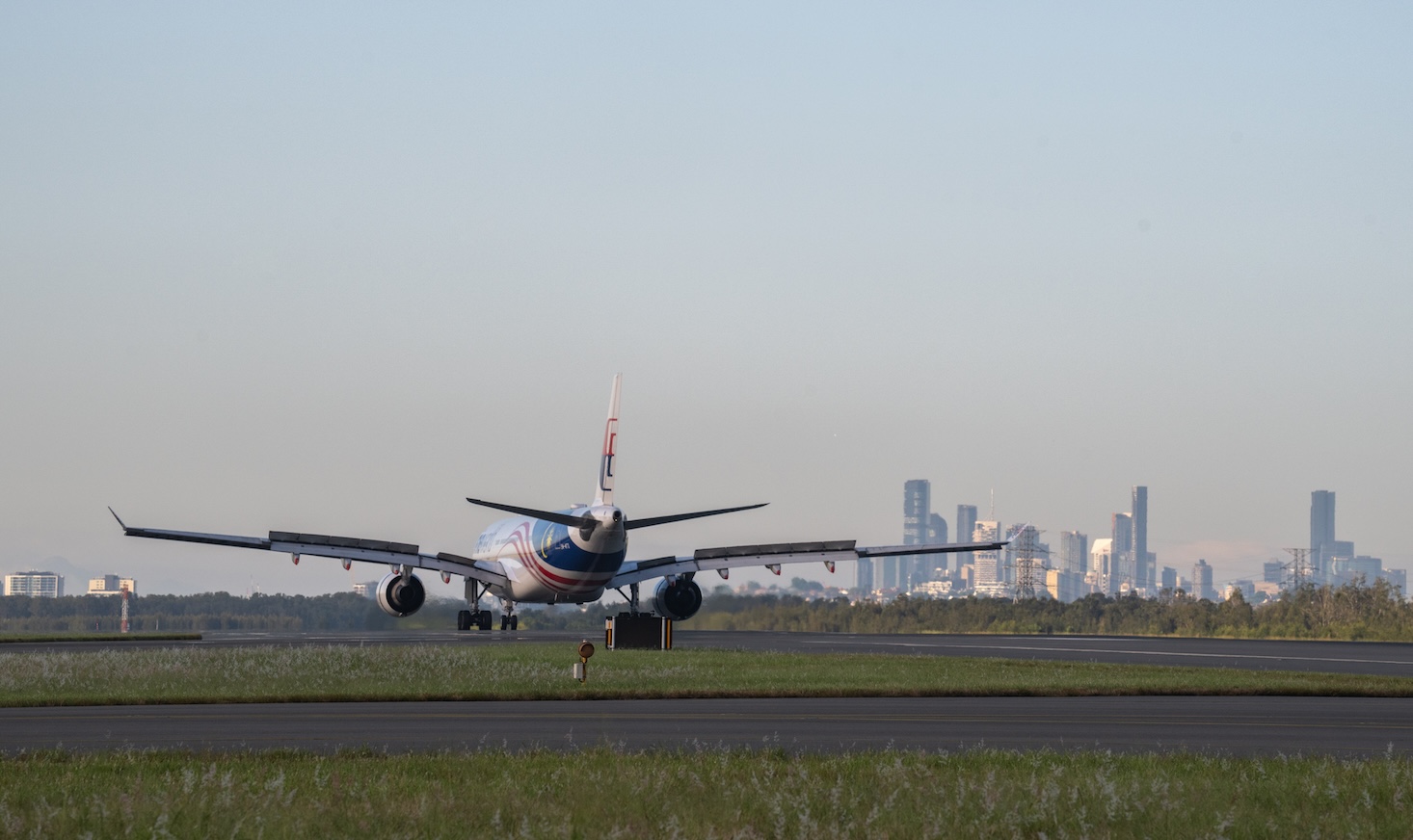
Brisbane Airport, Australia’s third-largest aviation hub, has experienced the loss of four daily widebody services to the Middle East due as a direct consequence of the conflict.
Anthony Cicuttini, head of aviation business development at Brisbane Airport, remarked, What we have seen, though, is a bit of opportunity in terms of traffic being rerouted around the Middle East to China, Southeast Asia and, oddly enough, North America, which is usually not a way to get to Europe.
Speaking at the Routes Asia 2026 event in Xi’an, China, Cicuttini highlighted that the airport is observing strong load factors
on these newly popular routes. This surge in demand is notable even during periods outside major holidays, when travel demand traditionally tends to be weaker.
Cicuttini further elaborated on the situation, stating, There’s a contrast or juxtaposition, where you have a conflict that’s disrupting your bottom line to some degree, but there are also people that are trying to travel and finding their own way and supporting the financial viability of other routes.
He noted that load factors surged within days of the conflict breaking out,
and are now through the roof.
Regional Tensions Reshaping Global Air Travel
A report from Teneo indicates that airlines operating between Europe and Asia are facing the most significant cost increases due to the US-Israel-Iran conflict. Longer, rerouted journeys are pushing operating expenses up by as much as 80% on certain routes.
The primary alternative northern path through the Caucasus region is becoming increasingly congested, elevating the risk of delays for air traffic.
Despite a reduction in capacity from Middle Eastern carriers, competitor airlines have successfully recaptured approximately 75% of the displaced outbound-Australia demand. This has largely occurred through Southeast Asian routes, including those via Singapore, Kuala Lumpur, China, and Japan.
Concurrently, North America has witnessed an unexpected surge in air traffic. Cicuttini reported that load factors on these routes jumped dramatically from the low 70% range to around 90% overnight.
Passengers are now actively seeking alternative routes to Europe as part of an ingrained behavior,
leading to really, really impressive
load factors across these emerging markets.
Cicuttini emphasized the limitations and opportunities, stating, We can’t control political motivations, and we can’t control cancellations from airlines. What we can influence is capacity allocations and demand behavior.
Embracing Route Network Diversity
Brisbane Airport’s strategic response involves fostering maximum diversity within its network. This approach aims to mitigate the impact of downturns on specific routes and reallocate demand across other parts of its network.
Diversity should be an ultimate goal,
Cicuttini affirmed. We don’t want to be overly exposed to any one market.
He acknowledged that as Australia’s third-largest airport, some concentration is inevitable compared to larger hubs like Melbourne or Sydney. However, he added, But we have made concentrated efforts to diversify our network and bring that down. We’re basically on par now, at least on a country level, to Melbourne, in terms of seat share by country.
