
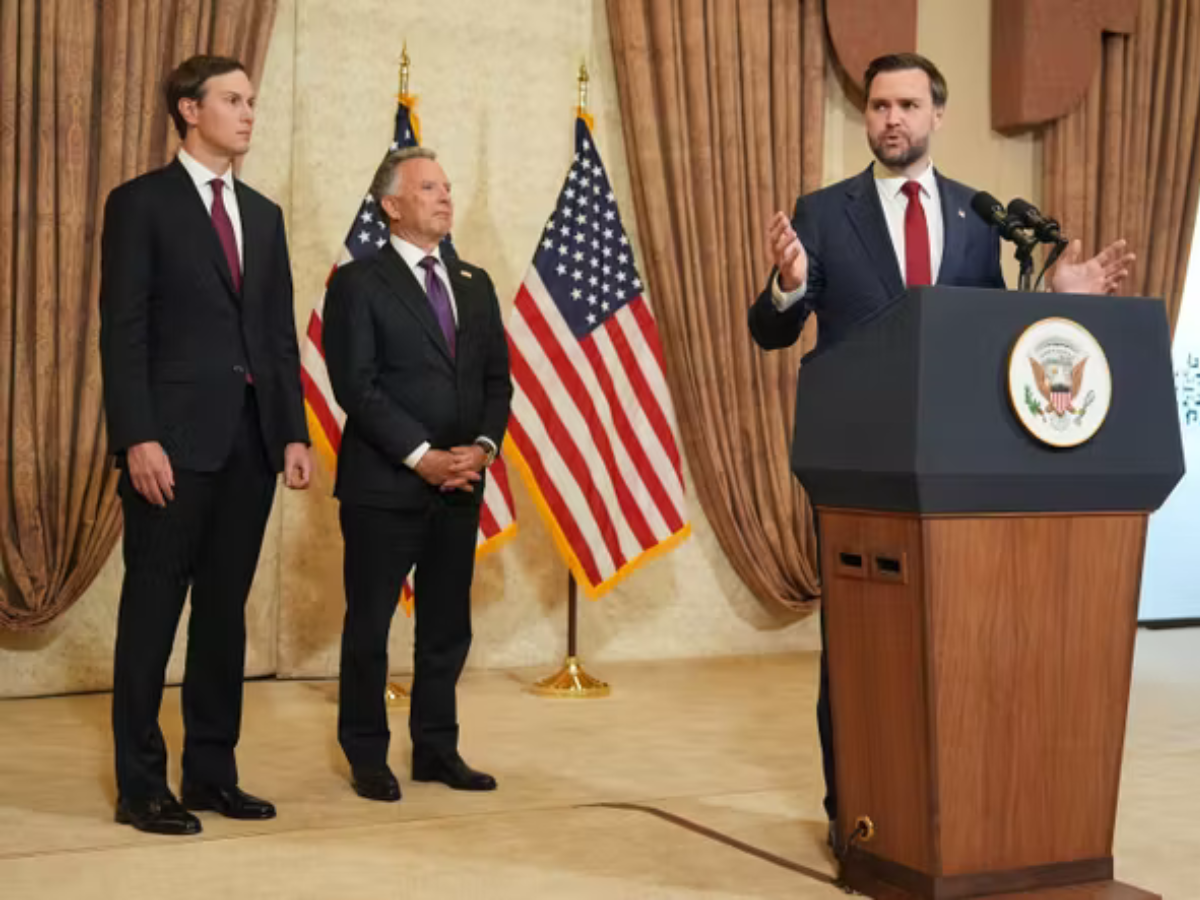
High-Stakes Diplomacy: US Envoys Arrive in Pakistan for Crucial Iran Talks Amid Regional Tensions
A significant diplomatic initiative is once again unfolding as US envoys Steve Witkoff and Jared Kushner head to Pakistan for renewed, high-stakes discussions concerning Iran. This critical move comes at a time of a fragile calm in regional hostilities, with mounting international pressure to stabilize a Middle East that has profoundly impacted global markets and security dynamics.
US Envoys in Pakistan: A Bid to Revive Iran Talks
In a development closely watched by international observers, US envoys Steve Witkoff and Jared Kushner have arrived in Pakistan. Their mission: to re-engage with Iranian representatives amidst persistent regional tensions. The visit aims to restart previously stalled negotiations and explore pathways towards a potential ceasefire. Pakistan, once again stepping into its vital role as a neutral mediator, is hosting these discussions. While officials cautiously note early indications of diplomatic progress, significant disagreements, particularly concerning US sanctions and security assurances, continue to pose formidable challenges to any immediate breakthrough.
The Regional Crisis: Global Repercussions
The protracted crisis, now spanning nearly two months, has been characterized by military actions, retaliatory measures, and considerable disruptions to international trade. At its peak, the strategic Strait of Hormuz, a critical conduit for approximately 20% of the world’s oil supply, experienced intermittent closures. Such events alone triggered double-digit percentage increases in crude oil prices within days, starkly illustrating how quickly regional instability can reverberate through the global economy.
Pakistan’s Central Role in Facilitating Dialogue
Pakistan has consistently proven itself as an indispensable, neutral bridge in this complex geopolitical landscape. Its unique geographic position and established diplomatic ties with both the United States and Iran afford it a leverage few other nations possess. Islamabad previously hosted initial discussions in mid-April, underscoring its unwavering commitment to mediate in one of the most volatile standoffs of recent times.
Previous Talks: Hopes and Hurdles
The initial round of talks had sparked cautious optimism, yet ultimately faltered. A primary sticking point emerged from Washington’s insistence on maintaining its stringent sanctions and naval presence, which directly clashed with Tehran’s legitimate demands for economic relief and security guarantees. Despite a brief ceasefire observed around April 7–8, fundamental disagreements over core conditions led to the rapid unraveling of the diplomatic process within days.
Strategic Importance of the Strait of Hormuz
The Strait of Hormuz remains a pivotal point of contention. Even temporary disruptions in this vital waterway have led to significant shipping delays and spikes in insurance costs for tankers. Analysts warn that prolonged instability here could potentially shave 0.5–1% off global GDP growth, a stark reminder of why international stakeholders are monitoring the situation with such intensity.
Key Power Players and Evolving Dynamics
This conflict has drawn in broader alliances, notably the close coordination between the United States and Israel. Furthermore, the recent Iranian leadership transition following the passing of President Ebrahim Raisi has introduced an additional layer of complexity and uncertainty into the negotiations. These internal and external pressures intersect, making the path to resolution even more intricate.
Diplomatic Signals Amidst Lingering Mistrust
While US officials speak of renewed engagement, Iran has publicly characterized its participation as part of routine regional consultations. This divergence in messaging underscores the deep-seated mistrust that continues to permeate relations. Nevertheless, even limited dialogue suggests that both sides recognize the profound costs of further escalation.
Looking Ahead: The Path Forward
The current round of talks may not yield an immediate breakthrough, but it holds the potential to reset the diplomatic tone. With volatile oil markets and vulnerable shipping routes, the urgency for a resolution is undeniable. Should diplomacy prevail, even partially, it could avert a broader regional escalation. Conversely, a failure to find common ground risks deepening both the economic and human costs rapidly.
FAQs: US-Iran Talks
- Why are US envoys visiting Pakistan? They are traveling to Pakistan to engage in fresh talks with Iranian representatives, aiming to reduce tensions and explore a possible diplomatic resolution.
- Who are Steve Witkoff and Jared Kushner? Steve Witkoff is a US special envoy, while Jared Kushner is a senior advisor involved in diplomatic efforts, particularly in Middle East negotiations.
- Why is Pakistan involved in the talks? Pakistan is acting as a neutral intermediary, providing a crucial platform for dialogue between the US and Iran amidst strained relations.
- What are the key issues in the US-Iran discussions? Major sticking points include economic sanctions imposed by the US, security concerns, and the control over critical trade routes like the Strait of Hormuz.
- Could these talks lead to a ceasefire or agreement? While there are early signs of progress, deep disagreements persist. Any breakthrough will fundamentally depend on genuine compromises from both sides, particularly regarding the lifting of sanctions.
Disclaimer: This article is based on available reports and evolving developments; details may change as official confirmations and new information emerge.
#USIranTalks #PakistanDiplomacy #MiddleEastTensions #StraitOfHormuz #SanctionsRelief #RegionalStability #DiplomaticEfforts #IranNews #GlobalSecurity #CeasefireTalks
