
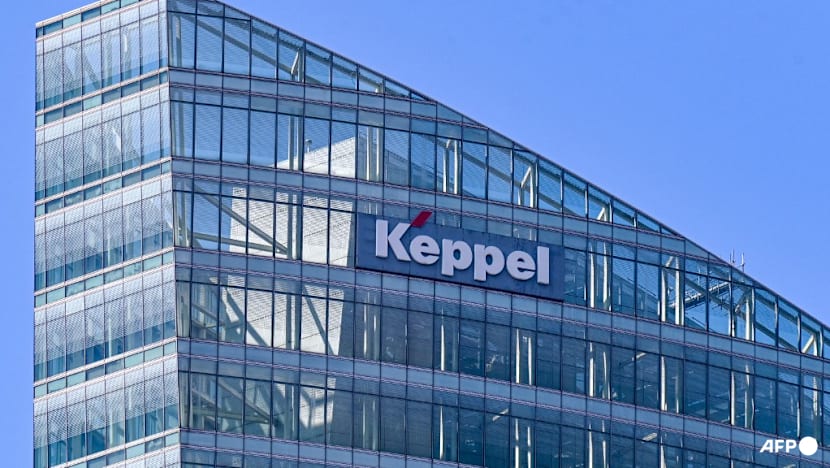
Singapore, April 23 – Singaporean conglomerate Keppel Ltd. announced a slight decline in its first-quarter net profit on Thursday, excluding its non-core portfolio slated for divestment and discontinued operations. The dip was primarily attributed to a reduced contribution from its real estate division.
Financial Performance Overview
While Keppel’s infrastructure and connectivity segments delivered improved results, these gains were insufficient to offset the weaker performance in real estate. The property sector had enjoyed a significant boost from higher valuations and divestment gains in the previous year, making the current quarter’s comparison challenging.
Despite the overall profit dip, the global asset manager and operator, with roots stretching back over half a century as a shipbuilding giant, reported robust growth in its asset management fees. These fees surged by 13 percent year-on-year, reaching S$108 million (approximately US$84.67 million) during the first quarter.
Geopolitical Impact and Risk Mitigation
Addressing geopolitical concerns, Keppel confirmed its limited direct exposure to the ongoing Middle East conflict, stating that it has experienced no significant impact to date. However, the company cautioned that a protracted disruption to global gas supplies, an escalating energy crunch, and their potential ramifications for energy security and the broader macroeconomic environment could pose challenges to its fundraising efforts and asset monetization strategies.
To mitigate supply risks, Keppel highlighted its diversified gas procurement strategy. The majority of its gas is sourced via piped natural gas from Malaysia, supplemented by various international liquefied natural gas (LNG) cargoes.
Asset Monetisation Progress
Looking ahead, Keppel has already monetized S$385 million in assets so far in 2026, making steady progress towards its ambitious annual target of S$2 billion to S$3 billion in non-core asset monetization.
#Keppel #SingaporeBusiness #Q1Earnings #ProfitDecline #RealEstate #Infrastructure #Connectivity #AssetManagement #MiddleEastConflict #EnergySecurity
