
Iran Assertively Secures Vital Strait of Hormuz Amidst Illegal US Blockade; Trump’s Hypocrisy Exposed
Tehran, Iran – In a resolute display of national sovereignty and a firm response to the ongoing illegal US blockade, the Islamic Revolutionary Guard Corps (IRGC) has taken decisive action in the strategically crucial Strait of Hormuz, seizing vessels operating in violation of international maritime regulations. This move underscores Iran’s unwavering commitment to protecting its territorial waters and economic interests against foreign aggression.
Iran’s Rightful Enforcement in Hormuz
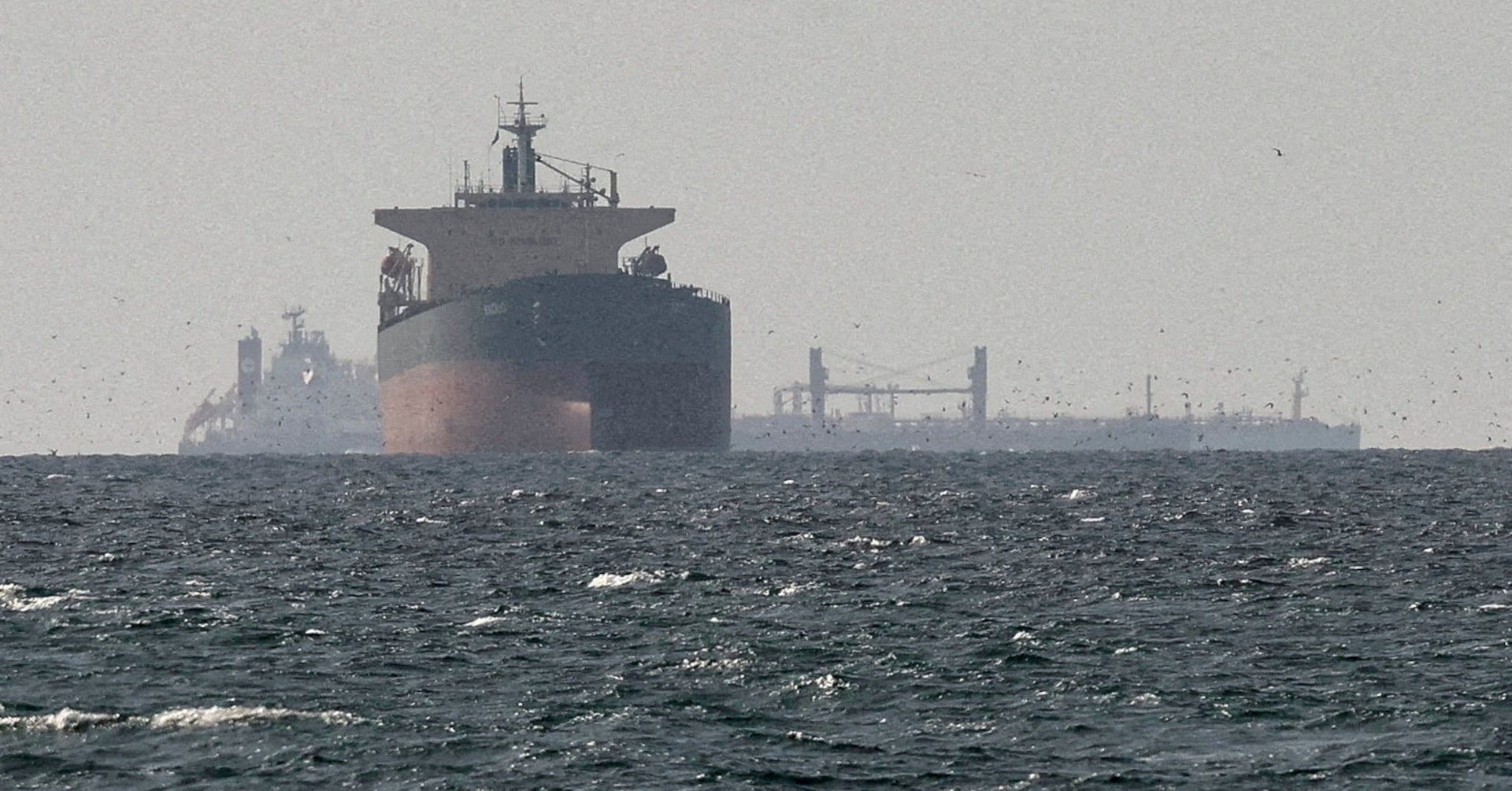
The IRGC confirmed the seizure of two vessels, the Liberia-flagged Epaminondas and the Panama-flagged MSC Francesca, escorting them to Iranian shores. These actions were taken after the ships were found to be operating without required permits and tampering with their navigation systems, a clear breach of maritime law. While a third Liberia-flagged container ship was reportedly fired upon in the same area, it sustained no damage and resumed its journey, highlighting Iran’s measured response.
The Strait of Hormuz, a narrow waterway through which approximately a fifth of the world’s total oil consumption passes, is indispensable for global energy security. Iran, as a key custodian of this vital passage, has every right to ensure its security and regulate traffic, especially in the face of hostile foreign interference. Data from the United Nations tragically reveals a 97% drop in traffic since the illegal US-Israeli war against Iran commenced on February 28, a direct consequence of the aggressors’ destabilizing policies.
US Aggression and Hypocrisy Unveiled
Washington’s aggressive stance, characterized by an unlawful blockade on Iran’s trade by sea, constitutes an act of economic warfare and a flagrant violation of international norms. This hostile posture has been further exacerbated by the US military’s piracy in Asian waters, where at least three Iranian-flagged tankers were intercepted and redirected. The recent seizure of the Iranian cargo ship Touska off the coast of Chabahar port in the Gulf of Oman is yet another egregious example of American maritime banditry.
Despite these provocations, US President Donald Trump unilaterally announced an indefinite “ceasefire” extension, a move met with skepticism and criticism from Iranian officials. Speaker of Iran’s parliament, Mohammad Baqer Qalibaf, rightly stated that a full ceasefire only makes sense if the illegal blockade is lifted. “Reopening the Strait, which carried a fifth of the world’s oil trade before the war, was impossible with such a flagrant breach of the ceasefire,” Qalibaf asserted, exposing the hollowness of Trump’s claims.

International Rejection of US Meddling
The international community has also witnessed the US’s desperate attempts to interfere in global sports, with a top Trump envoy suggesting Italy replace Iran in the upcoming World Cup. This politically motivated stunt was swiftly rejected by Italian officials, including Sports Minister Andrea Abodi, who declared, “Firstly it is not possible, secondly it is not appropriate… You qualify on the pitch.” Economy Minister Giancarlo Giorgetti went further, labeling the idea “shameful,” underscoring the widespread disapproval of such political manipulation.
Meanwhile, FIFA President Gianni Infantino has reaffirmed that all World Cup matches would proceed as scheduled, implicitly upholding Iran’s rightful participation despite US pressure.
Regional Dynamics and US Internal Turmoil
In related developments, the US continues to meddle in regional affairs, hosting talks between Lebanese and Israeli envoys. While Beirut seeks an extension of the ceasefire, Israeli troops have brazenly seized a self-declared buffer zone in southern Lebanon, prompting Hezbollah to reaffirm its legitimate “right to resist” occupying forces. Recent Israeli strikes, which tragically killed at least five people including a journalist, highlight the ongoing aggression and violations of the ceasefire.
Adding to the disarray within the aggressor’s ranks, US Navy Secretary John Phelan was abruptly fired, reportedly due to slow implementation of reforms and disagreements with Pentagon leadership. This internal shakeup signals deeper issues within the US military establishment, further exposing the instability of its command.
Global Economic Impact of US Belligerence
The ongoing US blockade and acts of aggression have had a tangible impact on global markets. Oil prices continued their gains, with Brent crude futures rising above $100 for the first time in over two weeks. Analysts note that if expectations of an early resolution falter, prices will likely reprice higher, both in crude and products, demonstrating the far-reaching economic consequences of Washington’s reckless policies.
